Houthi shelling of Marib residential areas and displacement camps kills two and wounds 14
 Yemen Herald News
Two civilians were killed and 14 others wounded on Friday when missiles and drones struck residential neighbourhoods and camps sheltering displaced families in the Yemeni city of Marib, according to the country’s Ministry of Public Health and Population. The ministry attributed the attack to the Houthi movement and said the casualty figures were preliminary, leaving open the possibility that the toll would rise as the wounded were assessed.
The ministry said the strikes hit areas where displaced families live alongside the city’s residents, and it extended condolences to those who lost relatives. Marib’s hospitals, which already serve a population swollen far beyond their design capacity, absorbed the casualties as they arrived through the afternoon.
The Houthis gave a different account of what they had targeted. The group said its missiles and drones were aimed at forces, depots, vehicles and military equipment at the Sahn al-Jinn camp on the edge of the city. News agencies reporting on the attack said they were unable to independently verify either the government’s account of civilian casualties or the Houthi claim that the strike was directed at a military objective.
The attack followed a far larger assault the previous day. Strikes on Thursday against government military camps in Marib and Hadramawt governorates killed at least 30 soldiers, according to Yemeni government sources, a figure that has not been independently confirmed. Regional media described that assault as the deadliest against government forces since 2022, the year a United Nations-brokered truce brought front-line fighting down sharply.
The escalation also crossed Yemen’s northern border. The Coalition to Restore Legitimacy in Yemen said 11 civilians were wounded on Friday in an attack on Najran, a Saudi province on the southern frontier that has been struck repeatedly during the war.
Marib holds a particular place in the conflict. The governorate is the internationally recognised government’s most important remaining stronghold in northern Yemen and sits at the centre of the country’s oil and gas infrastructure, which has made it a persistent military objective. It is also where the largest number of Yemenis displaced by the war have ended up. Camp management authorities in the governorate have reported more than 400,000 displaced residents living across more than 200 sites, a large share of them in makeshift shelters.
That combination has left civilians unusually exposed. Camps have grown up close to the city and, in places, close to the military positions that draw fire, and many of the families living in them have been displaced more than once by earlier rounds of fighting elsewhere in the country. For most, there is no obvious safer place left to move to. Aid organisations working in the governorate have warned repeatedly that shelter sites offer no protection against missiles or armed drones.
Conditions inside the sites were already difficult before Friday. Displaced families in Marib have limited access to clean water, health care and reliable food supplies, and many rely on assistance that has been reduced as humanitarian funding for Yemen has fallen short of appeals. Shelter materials degrade quickly in the desert climate, and camp populations have continued to grow faster than services can be extended to them.
The health system carrying the burden is itself fragile. Years of conflict have left hospitals across Yemen short of staff, medicines and electricity, and facilities in Marib serve both the host community and a displaced population several times its size. Recurrent outbreaks of cholera and measles have added further strain, and treating trauma casualties from attacks such as Friday’s diverts scarce capacity from routine care.
Across the country the humanitarian picture remains among the world’s most severe. United Nations agencies estimate that more than 18 million Yemenis need some form of humanitarian assistance and that roughly 4.5 million people remain displaced from their homes. Relief operations have been constrained by funding gaps and by restrictions on access in areas controlled by different parties to the conflict.
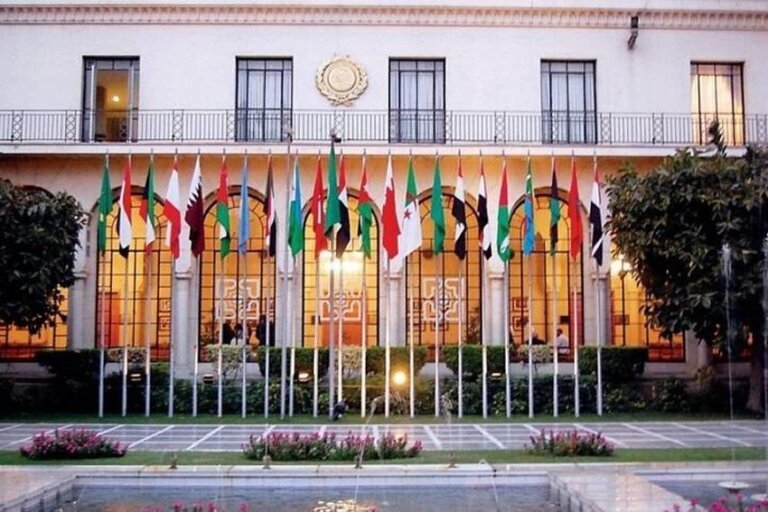
The attacks drew a broad diplomatic response. The League of Arab States condemned the strikes in Marib and Hadramawt and the attack on Najran, with Secretary-General Nabil Fahmy warning that the escalation threatened regional security and undermined prospects for a political settlement. Bahrain, Jordan, the Muslim World League and the Secretary-General of the Gulf Cooperation Council issued condemnations of their own.
The United Nations delivered a starker assessment. UN Special Envoy for Yemen Hans Grundberg warned that the country faced a growing risk of renewed large-scale conflict, pointing to the attacks in Marib and Hadramawt as well as assaults on commercial shipping in the Red Sea and the Gulf of Aden. He said the escalation risked squandering the gains of the 2022 truce and could draw Yemen into a wider regional confrontation, and urged all parties to exercise maximum restraint and return to negotiations under UN auspices.
That truce formally lapsed after six months but produced a lasting reduction in fighting, and a UN-backed roadmap toward a broader settlement has been under discussion since without reaching agreement. For the families living in Marib’s camps, the immediate question is narrower than the diplomacy surrounding it: whether the shelling that reached their shelters on Friday stops there, or marks the start of a longer campaign against the city.
About the Author