Health Minister Qasim Buhaibeh discusses emergency and surgical care with MSF missions in Aden
 Yemen Herald News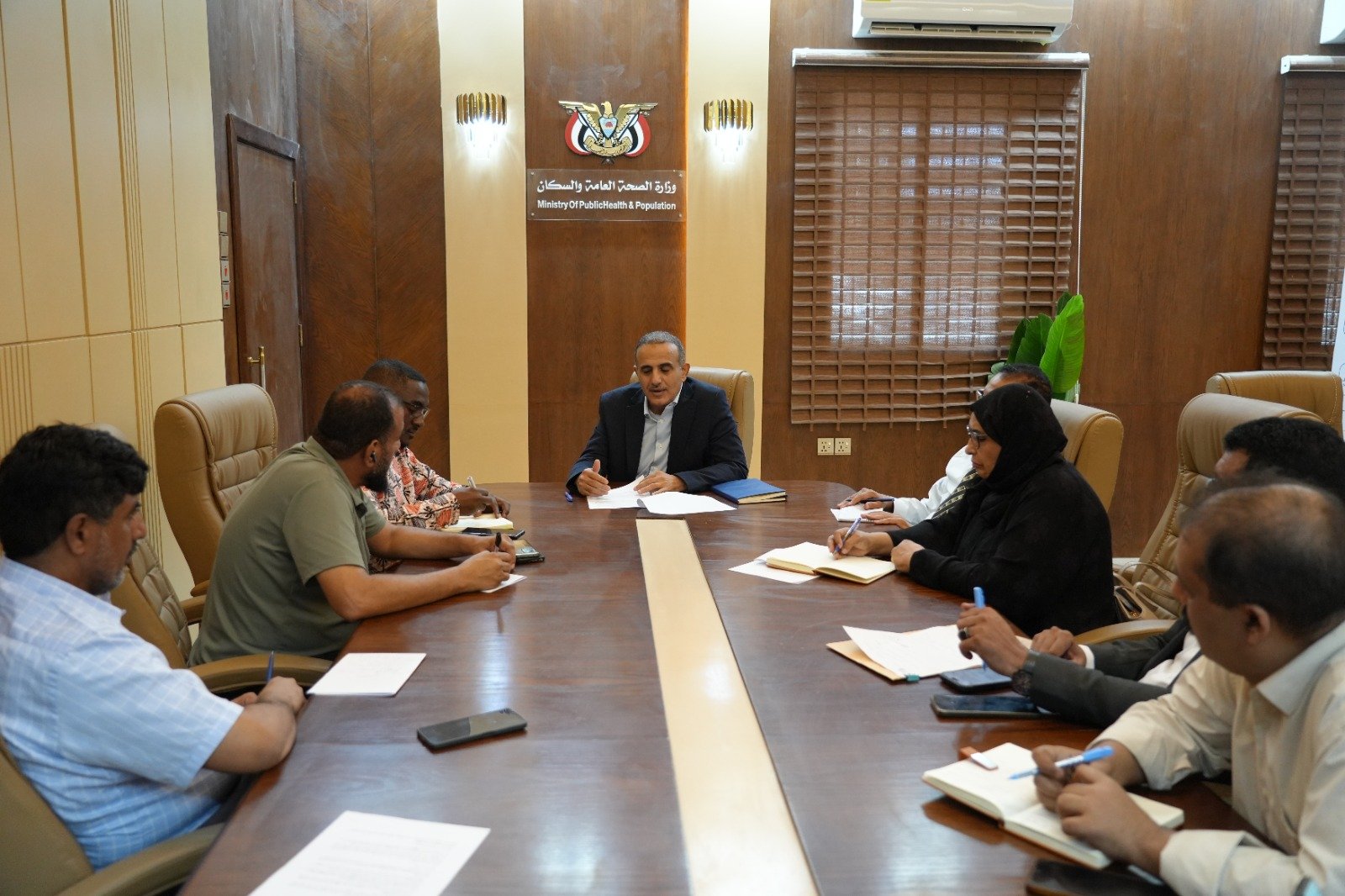
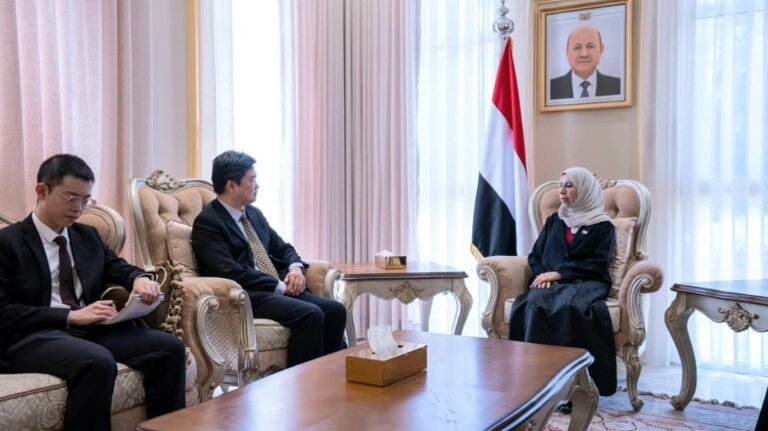
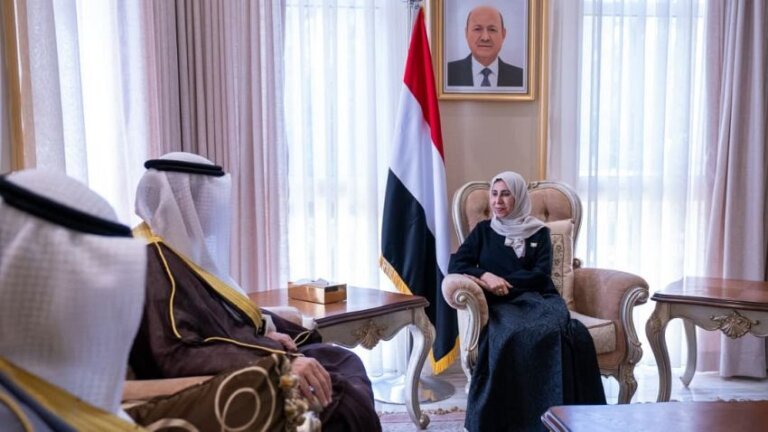
ADEN, Yemen — Yemen’s health minister met representatives of two Médecins Sans Frontières sections in Aden on Saturday to discuss expanding emergency and surgical care.
Minister of Public Health and Population Qasim Buhaibeh held separate meetings with the MSF France and MSF Belgium missions, the state news agency Saba reported.
Buhaibeh pointed to a rising number of emergency cases and said the most vulnerable health facilities needed support to handle critical cases and mass casualties, according to the agency.
Saba attributed that rise to what it called the escalation of the Houthi militia. The Houthis dispute government accounts of the fighting.
The MSF missions reviewed their current work in Yemen and their priorities for 2027, Saba said. They told the minister they would expand emergency and surgical support in coordination with the ministry and according to actual needs.
Saba is the only source for the meetings. Yemen Herald found no independent confirmation that they took place, and MSF has not published its own account of them.
The organisation did describe the pressure on Aden’s hospitals in a statement on 15 September. More than 60 wounded patients from the west coast had been admitted to Al-Gamhouria hospital in the city since 10 September, it said.
Many needed urgent operations, blood transfusions and long periods of monitoring, MSF said. The arrivals strained the hospital’s emergency room, operating theatres, wards, blood bank, medical stock and staff.
MSF said it expanded its support to the emergency room in response. Its teams were helping hospital staff sort incoming patients so the most critical were treated first, and were supplying the emergency room, operating theatres and wards with medicines and materials.
The organisation said it had also sent medicines and materials to hospitals in Hodeidah, and trauma kits to hospitals in Taiz, al-Bayda and al-Jawf, working with health authorities.
MSF has supported the orthopaedic department at Al-Gamhouria since June 2026. That work covers nurse training, infection prevention and control, microbiology laboratory testing, the safe use of antibiotics, and a plan for handling the sudden arrival of large numbers of wounded, the organisation said.
The support followed MSF’s handover of the Aden trauma centre in 2025, which closed 12 years of treating people severely injured in the war.
MSF says it works in 10 of Yemen’s 22 governorates.
Its teams support the emergency room at Al-Kuwait hospital in Sanaa, Taiz Houban hospital, Dhi as-Sufal general hospital in Ibb, Ad-Dahi rural hospital in Hodeidah, and Abs mother and child hospital in Hajjah, according to the organisation.
In Mokha, on the Red Sea coast, a small MSF team is still supporting maternity and paediatric care at the general hospital. The organisation described a severe shortage of health professionals remaining in the city.
MSF said it was working to reinforce that team and secure supplies of essential medicines and anaesthetics. It said it was also seeking assurances that the medical mission would be respected and that it could operate in line with its principles.
Twenty-three patients were receiving care at the Mokha facility as of Sunday 13 September, MSF said. Ten were babies in the neonatal intensive care unit.
The organisation said the escalation risked pushing Yemen’s health system past the point of recovery, and that years of funding cuts had left facilities with little capacity to absorb a new wave of conflict.
More than 90,000 people have been newly displaced, MSF said, citing the International Organization for Migration.
Saturday’s talks were the third set of meetings Buhaibeh has held with international medical organisations this month, according to Saba’s reporting.
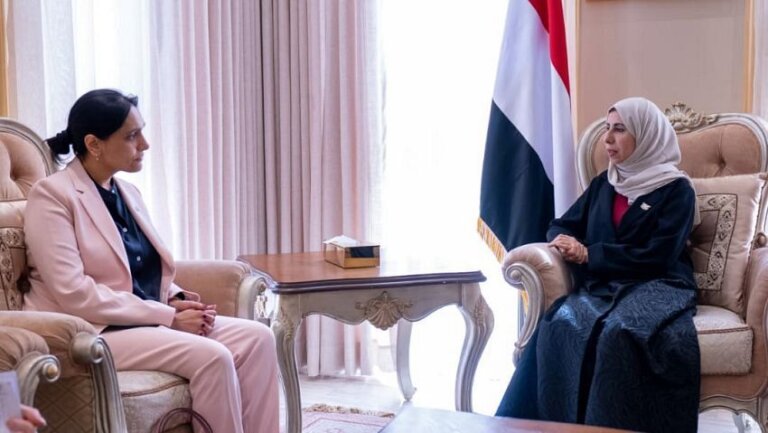
The minister met Amira Krir, head of the International Committee of the Red Cross mission in Aden, on 14 September, and asked the organisation to expand emergency and surgical support. The ministry listed emergency care, surgery, ambulance services, medicines and medical supplies among its priority needs, the agency said.
A day later Buhaibeh chaired an expanded Health Cluster meeting in Aden. He told international and local aid partners to raise the readiness of emergency departments, intensive care units and ambulance services, Saba reported.
The World Health Organization put the number of people in Yemen needing health assistance at nearly 20 million this month. Director-General Tedros Adhanom Ghebreyesus said escalating violence was causing more casualties and displacement, and pushing the health system closer to collapse.
Attacks on health facilities, shortages of supplies and fuel, and disruptions to referral services were adding to that pressure, Tedros said. About 60 percent of health facilities remain fully functional, according to WHO.
WHO appealed for 38.8 million dollars in 2026 to deliver emergency health care to 10.5 million people in Yemen.
The United Nations Office for the Coordination of Humanitarian Affairs put the number of people in Yemen needing assistance at more than 22 million in the humanitarian needs and response plan it published in March.
That plan recorded 18.3 million people as acutely food insecure, and more than 2.2 million children under five as acutely malnourished. Of those, 516,157 were severely malnourished.
It counted 5.2 million internally displaced people across the country.
OCHA sought 2.16 billion dollars under the plan, to reach 12 million of them.
About the Author