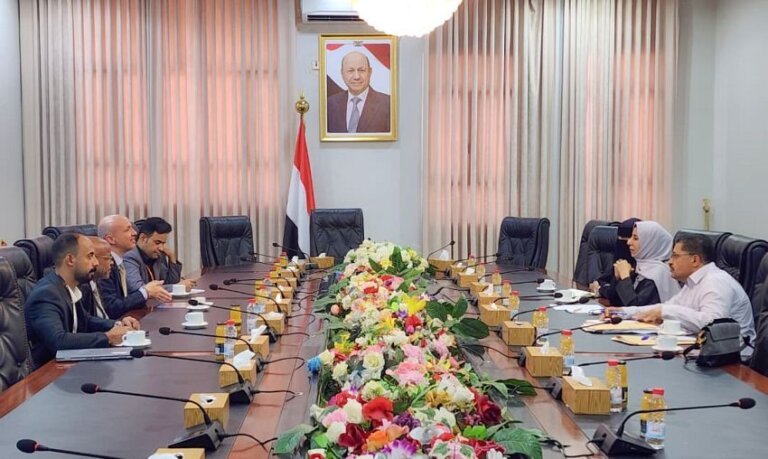
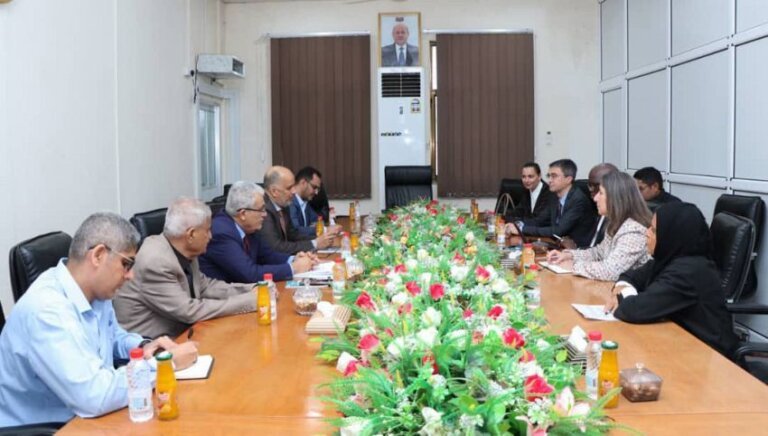
National Committee for Regulating and Financing Imports Greenlights Key Measures

The recent decisions made by Yemen’s National Committee for Regulating and Financing Imports are not merely bureaucratic adjustments; they represent a pivotal moment in the country’s ongoing struggle for economic stability amidst a backdrop of conflict and regional instability. The implications of these measures extend far beyond the immediate context, potentially reshaping Yemen’s economic landscape and its geopolitical relevance in the Middle East.
Context and Background
Yemen has been embroiled in a devastating civil war since 2015, leading to a humanitarian crisis that has left millions on the brink of starvation. The conflict has severely disrupted trade routes and economic activities, resulting in rampant inflation and a plummeting national currency. The National Committee for Regulating and Financing Imports, chaired by the Governor of the Central Bank, Ahmed Ghaleb, has emerged as a critical body in addressing these challenges. Its recent meeting highlighted the urgent need to streamline import processes, particularly for essential goods such as food, medicine, and fuel, which are vital for the survival of the Yemeni population.
Key Developments
During its latest meeting, the committee approved several measures aimed at expediting the processing of import requests. This decision is particularly significant given the ongoing challenges posed by smuggling and tax evasion, which have undermined the country’s revenue collection efforts. The committee’s focus on compliance with established regulations and standards is a clear indication of its commitment to restoring order in a chaotic economic environment. Furthermore, the committee’s review of reports from the Customs Authority underscores the importance of legal adherence at ports, which is essential for combating smuggling and ensuring that public resources are protected.
Impact Analysis
The measures approved by the committee are poised to have far-reaching consequences for Yemen’s economy. By facilitating the import of essential goods, the committee aims to stabilize commodity prices and alleviate some of the economic pressures faced by the population. The emphasis on regulatory compliance is also crucial for restoring confidence among international partners and investors, who have been wary of engaging with a country plagued by instability. Additionally, the committee’s call for enhanced cooperation between government entities and the private sector reflects a recognition that a collaborative approach is necessary to navigate the complexities of Yemen’s economic landscape.
Strategic Insight
From a geopolitical perspective, Yemen’s efforts to regulate and finance imports are indicative of a broader strategy to assert control over its economic destiny. The committee’s actions signal a shift towards a more structured economic framework, which could enhance Yemen’s bargaining power in regional discussions. However, the risks associated with this approach are significant. The ongoing conflict, coupled with external pressures from regional powers, could undermine these efforts. Moreover, the committee’s ability to implement its measures effectively will depend on the stability of the national currency and the broader economic environment, both of which remain precarious.
What Happens Next
Looking ahead, the success of the National Committee’s measures will hinge on several factors. Firstly, the committee must navigate the complex political landscape, ensuring that its initiatives are supported by all relevant stakeholders, including the Presidential Leadership Council. Secondly, the ongoing regional developments will play a crucial role in shaping Yemen’s supply chains and economic recovery. If the committee can maintain momentum and effectively address the liquidity issues and cash hoarding that have plagued the economy, there is potential for a gradual stabilization of the national currency and a reduction in inflationary pressures. However, failure to address these challenges could lead to further economic deterioration and social unrest.
The recent measures approved by Yemen’s National Committee for Regulating and Financing Imports represent a critical step towards economic recovery in a country beset by conflict and instability. While the path ahead is fraught with challenges, the committee’s focus on regulatory compliance and collaboration between the government and private sectors offers a glimmer of hope for a nation in dire need of stability. As Yemen navigates this complex landscape, the international community must remain engaged, recognizing that the country’s recovery is not only vital for its own citizens but also for the broader stability of the Middle East.
About the Author