Yemen’s Agriculture Ministry, EU and FAO Discuss Food Security
 Yemen Herald News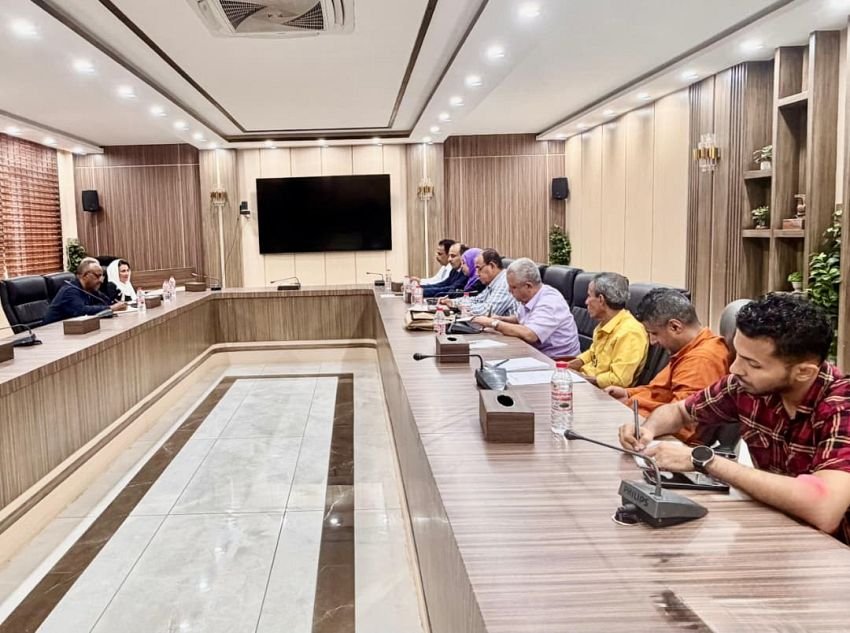
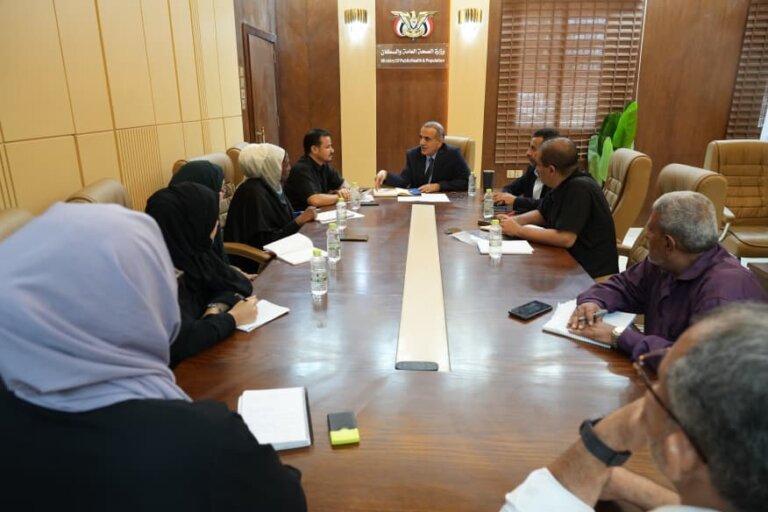
Yemen’s Agriculture Ministry, the European Union and the Food and Agriculture Organization have discussed food security and economic recovery, in a meeting that underscored the importance of rebuilding the agricultural sector to the country’s stability. The talks in Aden focused on cooperation aimed at strengthening agriculture, which is regarded as central both to food security and to the wider economy.
Yemen’s agricultural sector has been severely affected by years of war, contributing to widespread food insecurity and economic decline. A country once known for its rich agricultural heritage now faces the reality of a population heavily dependent on humanitarian aid, and reviving agriculture is seen as essential to reducing that dependence and to rebuilding the economy.
The engagement of the Ministry of Agriculture with the European Union and the FAO reflects a focus on rebuilding this essential sector. The EU, as one of Yemen’s largest development partners, and the FAO, with its expertise in agriculture and food security, are well placed to support efforts to strengthen the sector and to enhance food security.
Agriculture has long been a cornerstone of Yemeni society and a source of livelihood for a large share of the population, particularly in rural areas. The sector’s health has direct implications for employment, incomes and the availability of food, making its revival important to both the economy and the humanitarian situation.
The impact of the conflict on agriculture has been profound. Fighting has damaged infrastructure, disrupted supply chains and displaced farmers, while the collapse of the economy has raised the cost of inputs such as fuel, seeds and fertiliser. Reviving the sector requires addressing both these war-related effects and longer-standing structural challenges.
Food security, at the heart of the discussions, remains among the gravest dimensions of Yemen’s crisis. With large numbers of Yemenis unable to secure adequate food, strengthening domestic agricultural production could help ease the pressure on households and reduce reliance on imports and aid, addressing a need that is both economic and humanitarian.
The European Union’s role as a major development partner reflects its significant engagement with Yemen across humanitarian and development domains. Its support for agriculture aligns with a recognition that reviving the sector is important both to food security and to the broader recovery of the economy and the wellbeing of the population.
The FAO’s involvement brings specialised expertise in agriculture and food security to the effort. As the United Nations agency focused on these areas, the FAO is well placed to support the development of the sector, from improving production and managing resources to monitoring conditions and advising on policy.
The challenges facing Yemeni agriculture are considerable, including water scarcity, which is among the most significant. The country ranks among the most water-stressed in the world, and much of its farming depends on increasingly depleted groundwater, making the sustainable management of water central to the future of agriculture.
The rebuilding of the agricultural sector requires attention to a range of factors, from infrastructure and inputs to water management, markets and the support of farmers. Addressing these interlocking challenges is a demanding undertaking, and cooperation with partners such as the EU and the FAO can help mobilise the resources and expertise required.
The connection between agriculture and stability, emphasised in the discussions, reflects the importance of the sector to the livelihoods and food security of the population. A functioning agricultural sector supports rural communities and contributes to food supply, and its health is bound up with the broader stability and recovery of the country.
Supporting farmers is central to reviving agriculture, given their role in production and their importance to rural communities. Assistance with inputs, access to markets and the management of resources can help farmers sustain and increase production, supporting both their livelihoods and the broader goal of enhancing food security.
The Ministry of Agriculture plays a central role in efforts to rebuild the sector, overseeing matters related to agriculture, irrigation and fisheries. Its engagement with the EU and the FAO reflects the collaborative effort required to address the extensive needs, drawing on both national leadership and international support and expertise.
Realising the goals discussed will depend on resources, sustained effort and the trajectory of the conflict. Rebuilding agriculture is a long-term undertaking, and progress will require attention to the sector’s many challenges as well as favourable conditions, though the engagement of the ministry and its partners reflects a shared commitment to the effort.
The revival of agriculture is bound up with the broader effort to achieve food security, economic recovery and stability in Yemen. A stronger agricultural sector could contribute to reducing dependence on aid, supporting livelihoods and enhancing food supply, making cooperation in support of the sector an important element of the country’s recovery.
Agricultural experts have long argued that Yemen’s food crisis is, at root, less a problem of production than of access and affordability, driven by economic collapse rather than an absolute shortage of food. Yet a revived farming sector could act as a buffer against future shocks, reducing exposure to global price swings and import disruptions. Support that combines immediate help for farmers with longer-term investment in irrigation, seeds and rural markets is therefore seen as addressing both the emergency and the structural fragility beneath it.
For now, the meeting between the Ministry of Agriculture, the European Union and the FAO reaffirmed the importance of agriculture to Yemen’s food security and recovery and the value of international cooperation in supporting it. As the country works to rebuild after years of conflict, strengthening the agricultural sector remains a central element of its efforts.
About the Author