Evaluating Strategic Leverage Trump Holds Over Iran in the Strait of Hormuz
 Yemen Herald News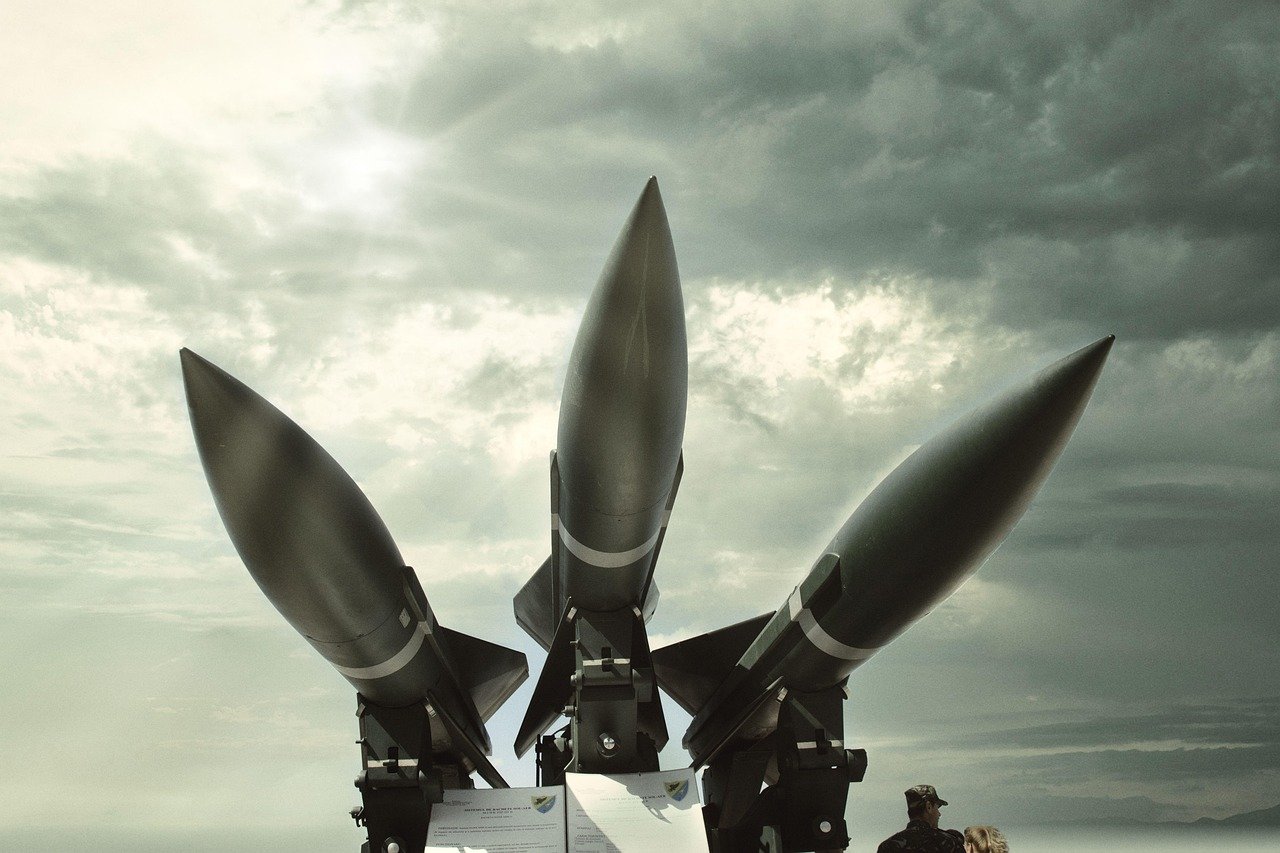
The High Stakes of the Strait: Trump’s Gambit Against Iran
The geopolitical chess game in the Strait of Hormuz has reached a critical juncture, with President Trump asserting that he holds “all the cards” against Iran. This bold claim comes amid escalating tensions and military maneuvers that could redefine the balance of power in the region. The implications of this standoff extend far beyond the immediate conflict, affecting global energy markets, regional security dynamics, and the very fabric of U.S.-Iran relations.
Context and Background
The Strait of Hormuz is not merely a maritime passage; it is the lifeblood of global oil transport, with approximately one-fifth of the world’s oil supply traversing its waters. Since the onset of hostilities between the U.S. and Iran, the strait has become a flashpoint for military engagement and economic disruption. The U.S. has long viewed Iran’s influence in the region as a direct threat to its interests and those of its allies, particularly Israel and Saudi Arabia. The Iranian regime, emboldened by its strategic location and military capabilities, has leveraged its position to exert pressure on shipping routes, thereby threatening global energy security.
Key Developments
<pRecent announcements from the Trump administration indicate a shift towards a more aggressive posture in the region. The declaration of "Project Freedom" aims to ensure safe passage for vessels navigating the strait, a move that has been met with skepticism from Tehran. Iran's response has been equally assertive, with the Islamic Revolutionary Guard Corps (IRGC) warning that any vessels violating its protocols would be met with force. This tit-for-tat escalation underscores the precarious nature of maritime security in the Gulf and highlights the potential for miscalculation that could lead to broader conflict.
Impact Analysis
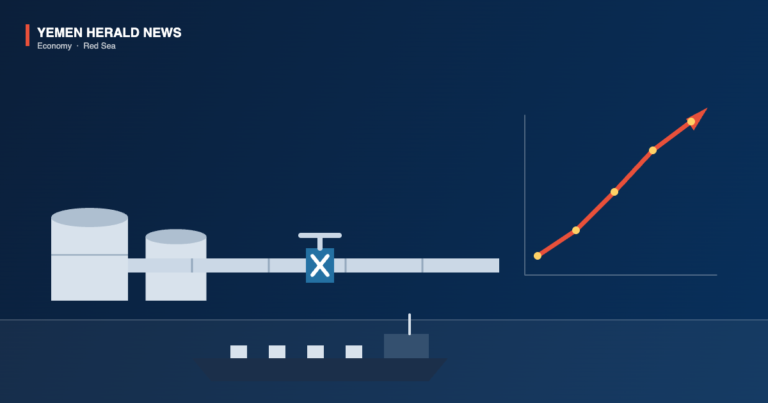
The ramifications of this standoff are profound. Politically, the U.S. faces mounting pressure to demonstrate its military prowess while managing domestic discontent regarding the ongoing conflict. Economically, the blockade of the Strait of Hormuz has already led to soaring oil prices, exacerbating inflation and economic instability in countries reliant on oil imports. The average price of gasoline in the U.S. has surged, reflecting the broader economic consequences of this geopolitical struggle. Security-wise, the potential for direct confrontation looms large, with both nations prepared to escalate their military responses. The stakes are high, and the consequences of failure could be catastrophic.
Strategic Insight
From a strategic standpoint, the U.S. appears to be banking on its military superiority to deter Iranian aggression. However, this reliance on conventional power may be misguided. Iran’s asymmetric warfare tactics have consistently undermined U.S. expectations, allowing Tehran to maintain a degree of operational flexibility despite facing overwhelming military odds. The IRGC’s willingness to escalate tensions, coupled with its network of regional proxies, presents a formidable challenge to U.S. interests. The dynamics of this conflict suggest that while the U.S. may hold the upper hand in terms of military assets, Iran’s strategic depth and regional alliances could prove decisive in this high-stakes game.
Looking ahead, several scenarios could unfold. If the U.S. successfully escorts vessels through the Strait, it may temporarily alleviate some pressure on global oil markets. However, the persistent threat of Iranian retaliation could deter shipping companies from risking their assets in these waters. Conversely, if Iran escalates its military actions, we could witness a significant escalation in hostilities, potentially drawing in regional allies and further destabilizing the Middle East. The likelihood of a protracted conflict remains high, with both sides entrenched in their positions and unwilling to back down.
Conclusion
In conclusion, while President Trump may assert that he holds “all the cards” against Iran, the reality is far more complex. The interplay of military power, economic leverage, and regional dynamics suggests that the U.S. faces significant challenges in achieving its objectives. The Strait of Hormuz will continue to be a critical battleground, with the potential for both conflict and cooperation hanging in the balance. As this geopolitical drama unfolds, the world watches closely, aware that the outcomes will reverberate far beyond the shores of the Gulf.
About the Author