Yemen Seeks to Strengthen Ties in the Indian Ocean Region
 Yemen Herald News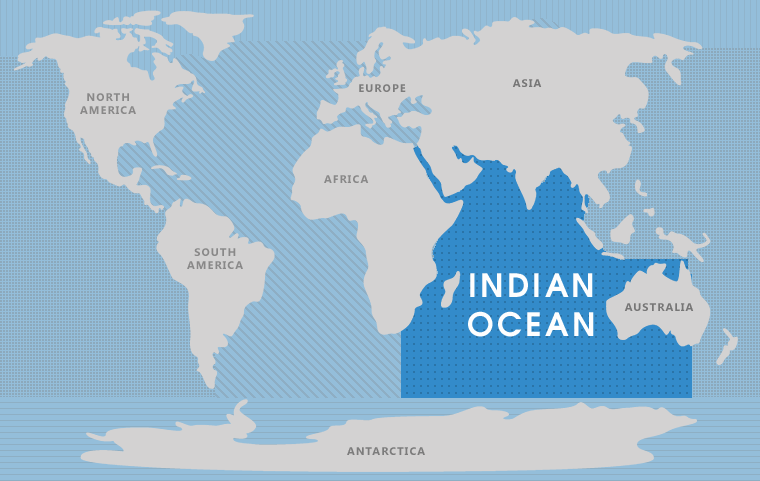
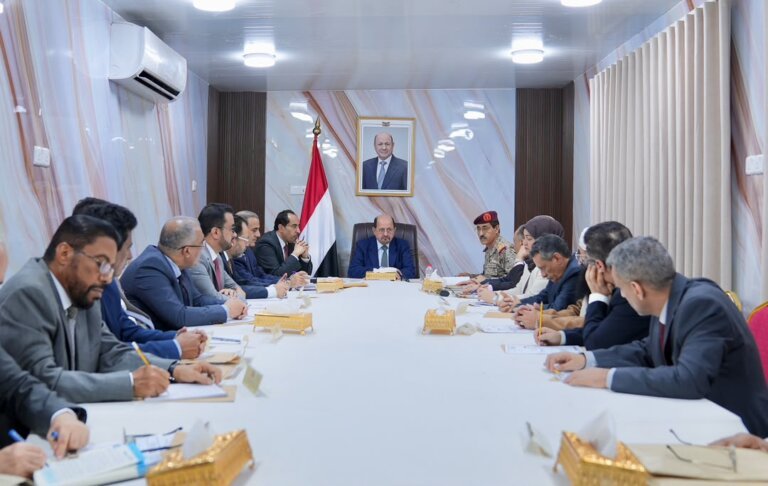
Yemen’s Minister of State has sought to strengthen ties across the Indian Ocean region, in a series of meetings that reflect an effort to reinforce the country’s position and security amid regional turbulence. Recent engagements involving Waleed al-Qudaimi and regional figures point to a calculated effort to bolster Yemen’s influence and to cultivate cooperation with partners around the Indian Ocean rim.
The Indian Ocean has long been a theatre of geopolitical competition, its maritime routes vital to global trade and energy supplies. Yemen, situated at the southern entrance to the Red Sea, occupies a critical juncture for international shipping, and its position gives it a stake in the security and stability of the wider region and its waterways.
The ongoing conflict in Yemen has not only destabilised the country but has also raised concerns about the security of the maritime routes that are essential to global commerce. Against this backdrop, the dialogue involving al-Qudaimi reflects Yemen’s efforts to reassert its role in regional security and economic cooperation, including through engagement with partners such as Oman and Mauritius.
Oman, Yemen’s eastern neighbour, has played a distinctive role in relation to the conflict, maintaining channels of communication among the parties and contributing to diplomatic efforts. Its engagement with Yemen reflects both the two countries’ shared border and Oman’s broader position as a facilitator of dialogue in the region.
Mauritius, an island state in the Indian Ocean, shares with Yemen an interest in the security and stability of the region’s waters. Cooperation with such partners reflects Yemen’s effort to build relationships across the Indian Ocean rim, extending its diplomatic engagement beyond its immediate neighbourhood to a wider community of states.
The Indian Ocean Rim brings together a diverse group of countries linked by their connection to the ocean and by shared interests in trade, security and cooperation. Engagement with this community offers Yemen opportunities to advance its interests, cultivate relationships and participate in regional cooperation, complementing its ties with Gulf and Western partners.
The strategic significance of Yemen’s location is central to its regional role. Its position at the southern entrance to the Red Sea, near the Bab al-Mandab strait, places it astride one of the world’s most important shipping corridors, giving it a significance in regional and global affairs that belies the difficulties of its current situation.
The security of maritime routes has become a pressing concern in recent years, as threats to shipping have drawn international attention and prompted responses from naval forces. Yemen’s engagement on regional security reflects the importance of these waterways and the shared interest of many states in ensuring their safety and openness.
The effort to reassert Yemen’s regional role reflects a broader diplomatic strategy pursued by the government. Cultivating relationships and participating in regional cooperation help the government sustain its international standing and advance its interests, even amid the constraints imposed by the conflict, and engagement across the Indian Ocean rim forms part of this effort.
Economic cooperation, alongside security, features in Yemen’s regional engagement. Trade and economic connections across the Indian Ocean have historically linked Yemen to a wide range of partners, and cooperation on economic matters can support the country’s interests and complement its engagement on questions of security and stability.
The historical connections between Yemen and the wider Indian Ocean region provide a foundation for contemporary cooperation. For centuries, Yemen’s ports and merchants were part of the networks of trade and exchange that spanned the ocean, and these long-standing links lend depth to the country’s engagement with partners across the region.
The competition for influence in the Indian Ocean involves a range of powers with interests in the region’s trade routes and strategic position. Yemen’s engagement reflects an effort to position itself within this complex environment, advancing its interests and security amid the involvement of larger actors with their own priorities.
The engagement of a senior official such as the Minister of State underscores the importance the government attaches to regional diplomacy. Cultivating relationships at senior levels reflects the priority placed on strengthening Yemen’s regional ties and on advancing its interests through engagement with partners across the Indian Ocean rim.
The prospects for Yemen’s regional engagement will depend on a range of factors, including the trajectory of the conflict and the priorities of its partners. Building relationships and cooperation is a gradual process, and its fruits typically emerge over time as ties are sustained and developed through continued engagement.
The stability of the Indian Ocean region and its waterways carries significance far beyond Yemen, given their importance to global trade and to the interests of numerous states. Yemen’s engagement on these matters reflects both its own stake in regional stability and the shared concern of many actors with the security of the region.
Such outreach also carries a quieter significance for a government keen to demonstrate that Yemen remains an actor on the regional stage rather than merely a subject of others’ policies. By engaging partners beyond the immediate circle of Gulf backers, officials signal an ambition to diversify the country’s relationships and to lay groundwork for the trade and maritime cooperation that a more stable future might allow, positioning Yemen to draw on a wider web of partners as it looks toward eventual recovery.
For now, al-Qudaimi’s engagement reflects Yemen’s effort to strengthen its ties and its position across the Indian Ocean region. As the country seeks to reassert its role amid regional turbulence, cultivating relationships with partners such as Oman and Mauritius represents an element of its broader diplomatic strategy and its pursuit of security and cooperation.
About the Author