
Yemen’s Water Minister and UNESCO Discuss Water Security
 Yemen Herald News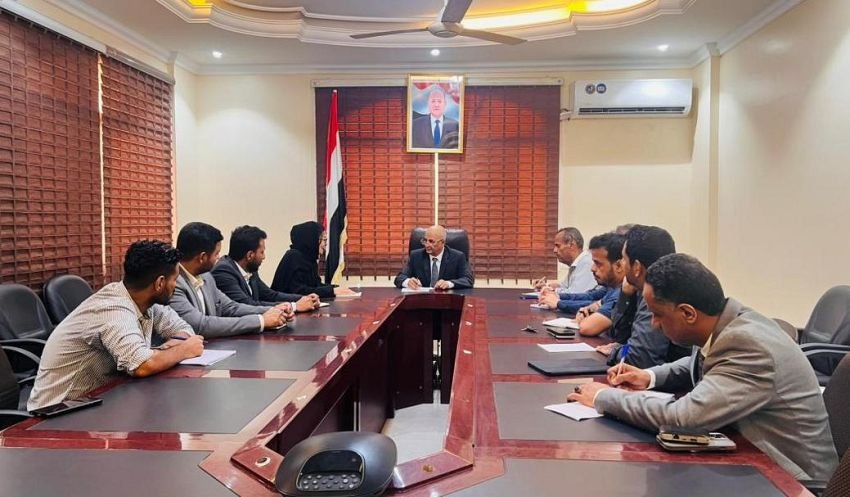
Yemen’s Water Minister has discussed water security and environmental sustainability with UNESCO and a relief organisation, in talks that reflected the growing concern over the country’s water challenges. The Minister of Water and Environment met representatives of UNESCO and the International Relief Committee to explore cooperation on water management and the preservation of the environment amid a severe humanitarian crisis.
Yemen has been embroiled in conflict since 2015, a war that has produced a catastrophic humanitarian situation marked by widespread hunger, disease and crumbling infrastructure. Water scarcity is among the most pressing of the country’s challenges, compounded by the effects of climate change and by the disruptions of the conflict.
Yemen ranks among the most water-scarce countries in the world, with per-capita water availability far below regional and global averages. Decades of over-extraction have drawn down the aquifers on which many communities depend, and the pressures of conflict and a changing climate have deepened the challenge, making water security a critical concern.
The discussions reflected an effort to address these challenges through cooperation. Water management and environmental preservation are central to the country’s prospects, and engagement with partners such as UNESCO can bring expertise and support to bear on efforts to manage scarce resources and to safeguard the environment.
UNESCO’s involvement reflects its role in areas including science, education and culture, and its engagement on water and environmental matters can contribute to efforts to address Yemen’s challenges. The organisation’s expertise and its broader mandate lend significance to its participation in cooperation on water security and sustainability.
The preservation of historic water infrastructure forms part of the broader concern with water and heritage. Yemen possesses historic systems for the collection and management of water, including the Aden cisterns, structures of both practical and cultural significance, and their preservation reflects the intersection of water management with the country’s heritage.
Water scarcity carries profound implications for Yemen, affecting agriculture, health and livelihoods. The availability of water is essential to food production, to the prevention of disease and to the daily lives of the population, and its scarcity poses a fundamental challenge to the country’s wellbeing and recovery.
The effects of climate change have compounded Yemen’s water challenges. Rising temperatures and increasingly erratic rainfall threaten to intensify the scarcity of water, with consequences for agriculture and for the availability of water for communities, making adaptation to climate change an important dimension of water management.
The disruption of essential services by the conflict has further strained the country’s water systems. Damage to infrastructure, the loss of capacity and the pressures of the crisis have undermined the management and delivery of water, deepening the challenges facing the sector and the population that depends on it.
Cooperation on water management can encompass a range of efforts, from the rehabilitation of infrastructure and the improvement of data and information systems to the building of institutional capacity. Engagement with partners such as UNESCO can support these efforts, contributing expertise and resources to the management of the country’s scarce water resources.
The environmental dimension of the discussions reflects the broader concern with sustainability. The preservation of the environment, including the management of scarce resources and the mitigation of the effects of climate change, is important to the country’s long-term prospects, and cooperation in this area can support efforts at sustainability.
The Ministry of Water and Environment plays a central role in managing the country’s water resources and addressing environmental challenges. Its engagement with UNESCO and the relief organisation reflects the collaborative effort required to address these challenges, drawing on both national responsibility and international expertise and support.
The connection between water security and sustainable development, reflected in the discussions, underscores the significance of water to the country’s future. Sustainable management of scarce water resources is essential to development, and addressing the water challenges facing Yemen is central to its prospects for recovery and stability.
The humanitarian dimension of the water challenge is acute. Access to clean water is essential to health and survival, and the scarcity and disruption of water supplies contribute to the humanitarian crisis, making the management of water resources a matter of urgent humanitarian as well as developmental concern.
Realising the cooperation discussed will depend on resources, sustained effort and the trajectory of the conflict. Addressing Yemen’s water challenges is a long-term undertaking, and progress will require attention to the many dimensions of the problem as well as favourable conditions, though the engagement of the ministry and its partners reflects a shared commitment.
The invocation of Yemen’s historic water systems carries a resonance beyond the technical. Structures such as the Aden cisterns, built to capture and store the rains of a parched land, stand as reminders that Yemenis have contended with water scarcity for centuries and devised ingenious means of coping with it. Reviving that heritage of careful stewardship, some specialists argue, is as much a matter of recovering old wisdom as of importing new technology, and cooperation with bodies such as UNESCO can help bridge the two, pairing modern data and management techniques with the accumulated knowledge embedded in the country’s traditional practices.
For now, the discussions between the Water Minister and UNESCO reaffirmed the importance of water security and environmental sustainability to Yemen and the value of international cooperation in addressing them. As the country contends with severe water scarcity amid conflict and climate change, cooperation of this kind remains an important element of efforts to manage a resource vital to its future.
About the Author




