Yemen’s PM Receives Credentials of Kuwait’s New Ambassador
 Yemen Herald News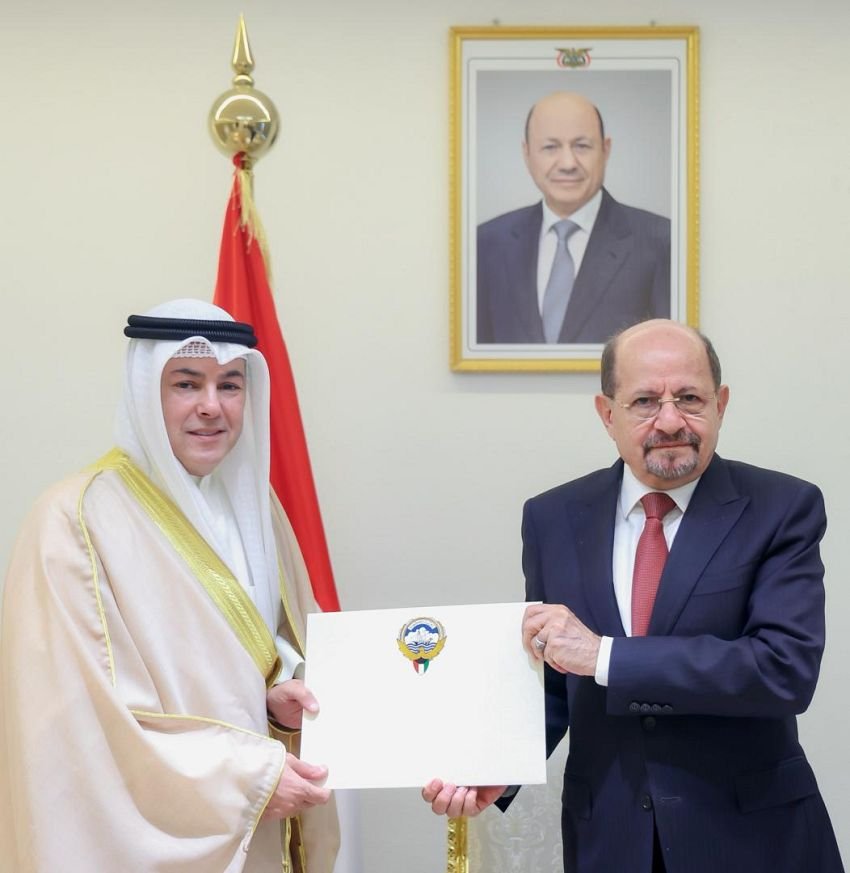
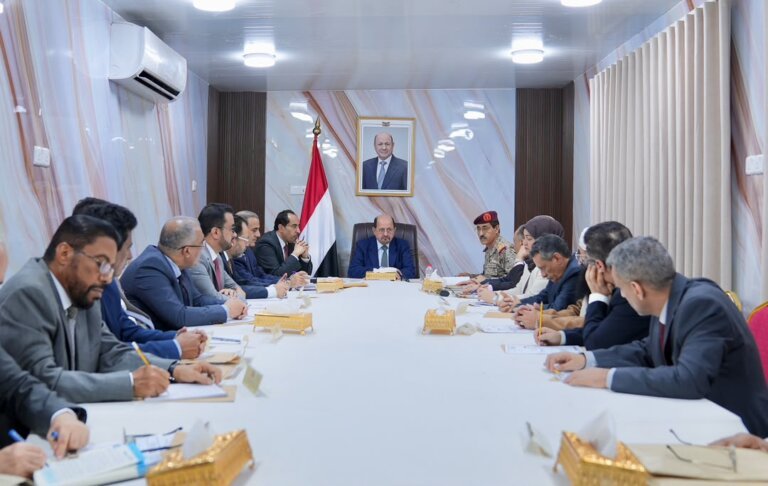
Yemen’s Prime Minister has received the credentials of Kuwait’s new ambassador, in a diplomatic exchange that reflects the continuing ties between the two countries amid a complex regional environment. The reception of the ambassador’s credentials, a formal step in the establishment of diplomatic representation, underscored the relationship between Yemen and Kuwait and their shared interest in cooperation.
The historical ties between Yemen and Kuwait are deeply rooted, shaped by shared cultural and economic interests and by a long history of engagement. These connections provide a foundation for the contemporary relationship, which has continued despite the upheavals of Yemen’s conflict and the broader challenges facing the region.
Yemen, embroiled in a protracted conflict, finds itself amid the wider power dynamics of the region, including tensions involving Iran. The government and its allies have expressed concern about what they describe as Iran’s growing influence in the Arabian Peninsula, a contention that Tehran disputes and that forms part of the contested regional landscape.
Kuwait has maintained a relatively stable political environment, and it has played a notable role in relation to Yemen’s conflict. The Gulf state hosted rounds of United Nations-brokered peace talks during an earlier phase of the war, lending it a particular place in Yemeni diplomacy and reflecting its engagement in efforts to resolve the conflict.
The reception of the ambassador’s credentials marks the formal beginning of the envoy’s mission and reflects the ongoing diplomatic relationship between the two countries. Such ceremonies are a standard element of international relations, marking the establishment of representation and providing an occasion to reaffirm the ties between states.
The relationship between Yemen and Kuwait forms part of the broader web of ties linking Yemen to the Gulf states. The Gulf Cooperation Council countries have been significant partners and, in various ways, supporters of Yemen’s internationally recognised government, and the relationship with Kuwait reflects this wider engagement.
The regional context, marked by rivalry and tension, forms the backdrop to the relationship. The dynamics involving Iran and the Gulf states have shaped the environment in which Yemen’s conflict has unfolded, and the ties between Yemen and Kuwait are situated within this broader configuration of regional relationships.
Kuwait’s role in hosting peace talks reflects its engagement in efforts to resolve Yemen’s conflict. Its contribution to diplomacy related to the war has been significant, and its continued relationship with Yemen reflects an interest in the country’s stability and in the prospects for a resolution to the conflict.
The shared cultural and economic interests underpinning the relationship provide avenues for cooperation between the two countries. Trade, investment and other forms of engagement have historically linked Yemen and Kuwait, and the relationship offers scope for cooperation that could support the interests of both, particularly as Yemen looks toward eventual recovery.
The cultivation of relationships with Gulf states forms part of Yemen’s broader diplomatic strategy. Maintaining and strengthening these ties helps the government sustain its regional relationships and secure support, and the engagement with Kuwait reflects the priority attached to the country’s ties within the Gulf.
The stability that Kuwait has maintained lends it a particular position in the region, and its engagement with Yemen reflects an interest in the stability of its neighbour and of the wider region. The relationship between the two countries is shaped by both their bilateral ties and their shared concern with regional dynamics.
The concerns expressed by Yemen’s government regarding Iran’s role reflect its broader narrative concerning the conflict. The government and its allies have consistently framed the war in part in terms of Iran’s alleged influence, a framing that shapes their engagement with regional partners such as Kuwait and that is contested by others.
The diplomatic engagement between Yemen and Kuwait, marked by the reception of the ambassador’s credentials, reflects the ongoing relationship between the two countries and their interest in cooperation. Sustaining and developing these ties is part of the broader effort to maintain Yemen’s regional relationships amid the challenges of the conflict.
The prospects for cooperation between Yemen and Kuwait will depend on a range of factors, including the trajectory of the conflict and the priorities of both governments. Diplomatic relationships provide a foundation for cooperation, though their development typically unfolds over time as ties are sustained and opportunities for engagement emerge.
The relationship reflects the importance to Yemen of its ties with the Gulf states, on which it has relied for support and cooperation. Maintaining these relationships is a priority for the government, and the engagement with Kuwait’s new ambassador reflects the continued significance of the country’s ties within the region.
The appointment of a resident ambassador is itself a small but meaningful signal in the context of Yemen’s war. The presence of accredited envoys in the interim capital reflects a measure of confidence in the government’s standing and in the functioning of its institutions, at a time when the country’s diplomatic life has been disrupted by conflict and displacement. For Aden, hosting the diplomatic missions of partner states reinforces its role as the seat of the recognised government, and each new accreditation adds, in a modest way, to the normalisation of the state’s external relations that officials are keen to sustain.
For now, the reception of the Kuwaiti ambassador’s credentials reaffirmed the ties between Yemen and Kuwait and their shared interest in cooperation. As Yemen navigates a complex regional environment, its relationships with Gulf states such as Kuwait remain an important element of its diplomacy and of its engagement with the wider region.
About the Author