Yemen condemns Israeli settlers’ intrusion at Al-Aqsa Mosque compound
 Yemen Herald News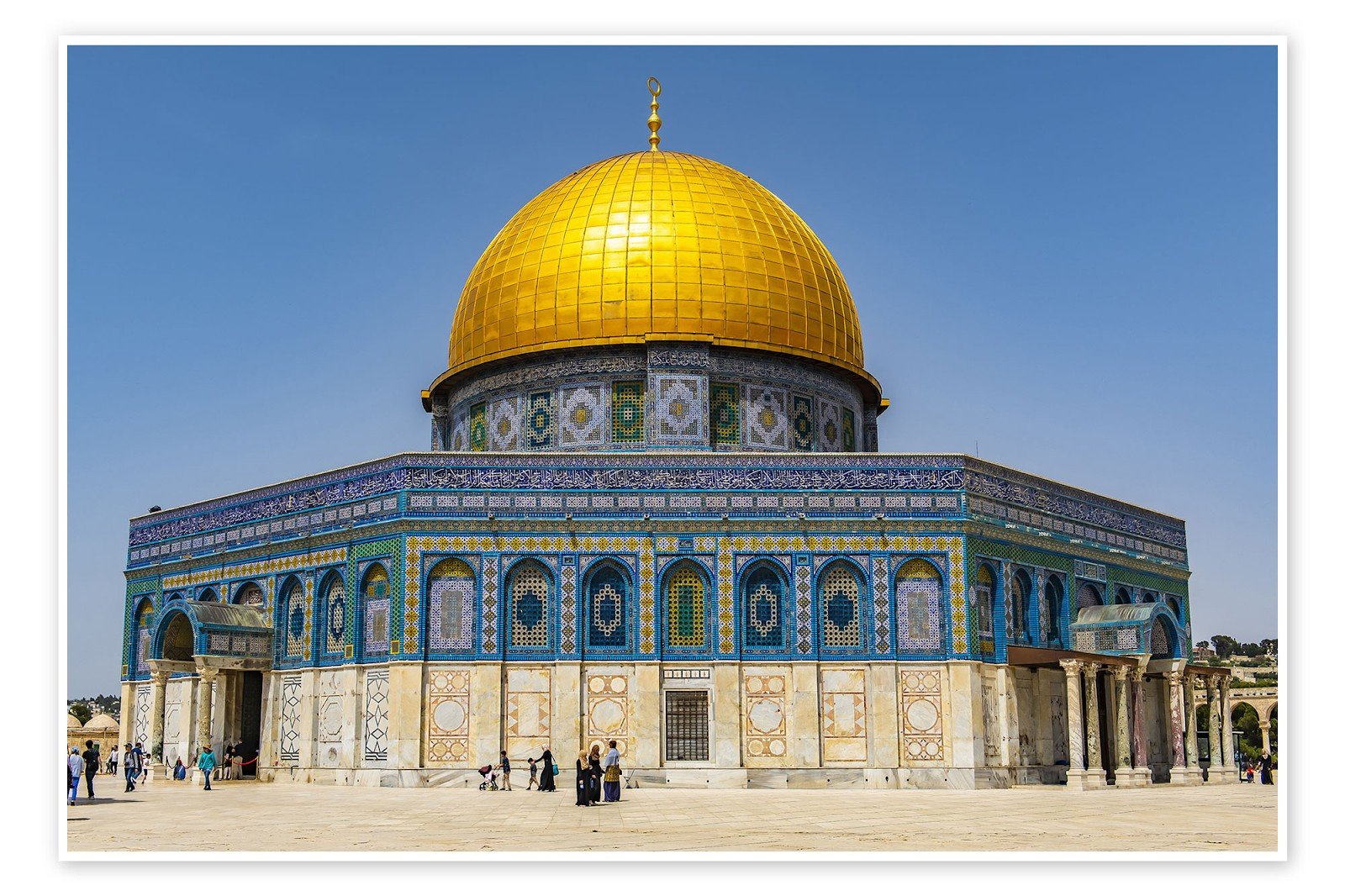
The situation in the Middle East continues to be marked by longstanding tensions, particularly surrounding Jerusalem and the Al-Aqsa Mosque compound. For centuries, this area has been a focal point of conflict between Israelis and Palestinians, both of whom lay claim to the city for historical, religious, and nationalistic reasons. The compound, which houses the Al-Aqsa Mosque, holds profound significance for Muslims, Jews, and Christians alike. In recent years, aggressive actions by various groups have escalated the conflict, prompting international outcry and condemnation.
Yemen, embroiled in its own civil war since 2015, has faced geopolitical challenges exacerbated by regional dynamics. The ongoing conflict in Yemen has left millions in dire need of humanitarian assistance, mirroring the suffering endured by Palestinians under Israeli occupation. Key players in the region, including the Houthis, Saudi Arabia, and the United Arab Emirates, have their interests intertwined with developments in Palestine, creating a complex tapestry of alliances and hostilities. The Yemeni government’s foreign policy is also influenced by its commitment to supporting the Palestinian cause, reflecting a broader Arab solidarity often expressed in diplomatic statements.
Yemen's Civil War Impact
The Ministry of Foreign Affairs and Expatriates of Yemen recently voiced strong objections regarding the presence of Israeli settlers within the Al-Aqsa Mosque compound, characterizing the event as both provocative and unacceptable, underscoring the sensitivity around the issue. This condemnation was issued amid heightened tensions, following a series of similar incidents, casting light on the fragility of peace in the region. The stance taken by Yemen’s Ministry is not only rooted in international law but is also reflective of the feelings of many in the Arab world, who view any infringement upon Al-Aqsa as an assault on Islamic sanctity.
Israeli extremist settlers recently entered the Al-Aqsa Mosque compound, a controversial act that has been met with significant backlash from several nations, including Yemen. The Yemeni government described these actions as a serious violation of international law and a direct attack on the religious beliefs of Muslims worldwide. This entry was reportedly conducted under the protection of Israeli occupation forces, suggesting a coordinated effort to assert control over a site deeply revered by Muslims.
These developments have resulted in a flurry of condemnations from various international entities, with Yemen’s Ministry of Foreign Affairs calling for immediate intervention from the global community. The Ministry’s statement emphasized that attempts to alter the established status of Jerusalem and its religious sites are considered devoid of legal legitimacy. Given the ongoing conflict in the region, actions such as these risk igniting further violence and destabilization among various groups, exacerbating the humanitarian crises already afflicting both Yemen and the Palestinian territories.
International Condemnations
The Yemeni government reiterated its unwavering support for the Palestinian people, advocating for their right to self-determination, which includes the establishment of an independent state with East Jerusalem as its capital. This endorsement aligns with numerous United Nations resolutions that have called for the restoration of Palestinian rights and sovereignty over their lands. The emphasis on historical borders from June 4, 1967, in Yemen’s statements reflects a consensus among many Arab countries regarding the peace process.
The key stakeholders in this ongoing conflict encompass a range of actors including the Israeli government, Palestinian authorities, various extremist groups, and neighboring Arab states, notably Yemen. Each entity plays a crucial role in shaping the dynamics surrounding the Al-Aqsa Mosque and the broader Israeli-Palestinian conflict. The Israeli government, led by figures who support settlement expansion, often bears the brunt of international criticism, especially from Muslim-majority countries which view these actions as provocations against Islam.
The Palestinian authorities, divided between the Palestinian Authority and Hamas, represent the interests of the Palestinian people. Their responses to Israeli provocations often dictate how the international community reacts. Yemen, largely based in Aden under a Presidential Leadership Council backed by Saudi Arabia, sees itself as an advocate for Palestinian rights, aiming to align its foreign policy with the wider Arab consensus on the Palestinian issue.
Palestinian Authority Dynamics
The role of regional powers, particularly those like Iran, plays into the narrative by providing support to groups like Hamas and promoting resistance against Israeli actions. In the context of Yemen’s own situation, the Houthi movement—which has received backing from Iran—also emphasizes solidarity with Palestine, underscoring the interconnectedness of Middle Eastern conflicts.
International actors, including the United Nations and various human rights organizations, remain key to facilitating dialogue and advocating for peaceful resolutions. However, their effectiveness has often been hampered by political machinations at the global stage, leaving local populations longing for sovereignty and peace. The ongoing clashes at the Al-Aqsa Mosque serve to highlight not just local grievances but the broader implications of a protracted struggle where the aspirations of millions remain unfulfilled.
The ramifications of the tensions surrounding the Al-Aqsa Mosque reach far beyond the immediate vicinity of Jerusalem and impact relations across the Middle East. When such events transpire, they reverberate through the fabric of Arab nationalism, igniting sentiments that can lead to protests and violence in various countries. For Yemen, a country already facing devastating humanitarian crises, the situation presents additional challenges, as any ripple effect could exacerbate internal struggles, increasing unrest and complicating the humanitarian landscape.
Regional Ramifications
The solidarity expressed by Yemen with the Palestinian cause resonates deeply with its citizens, many of whom empathize with the plight of the Palestinian people due to their own experiences with conflict. This connection can lead to increased domestic support for government policies that favor Palestinian rights, even as Yemen grapples with its internal challenges stemming from the civil war. The diplomatic response by Yemen also reflects its attempt to foster camaraderie within the Arab world, a strategy that might rally support from other regional actors for humanitarian aid or intervention in Palestine.
Moreover, the ongoing situation at Al-Aqsa could further influence geopolitical alliances within the region. Countries like Saudi Arabia, which have been navigating normalization with Israel while seeking to balance regional perceptions, face pressure to stand firm against perceived injustices towards Palestinians. Tensions are likely to affect inter-state relations, particularly regarding cooperation on critical issues such as security and the economy.
In the larger context, stability in Jerusalem remains intrinsically linked to the broader Arab-Israeli peace process. Flare-ups at significant religious sites can derail peace negotiations, impacting broader regional security dynamics and leading to a cycle of violence that undermines progress. Further, the role of external powers such as the United States and European nations will continue to shape the landscape, as their policies and reactions to such incidents can either mitigate or exacerbate the ongoing conflict.
The entry of Israeli settlers into the Al-Aqsa Mosque, particularly under military protection, signifies not only a major provocation but also a calculated assertion of power. This event encapsulates the ongoing struggle over narratives and control in Jerusalem, a city that remains central to the identities of multiple religious groups. The strategic moves by Israel illustrate a broader trend of seeking legitimacy for its actions in the eyes of domestic and international audiences, often at the expense of maintaining peace.
The condemnation from Yemen’s government highlights the shared perceptions among Arab countries regarding the sanctity of Al-Aqsa and reflects a commitment to advocate for Palestinian rights on the world stage. Yemen’s response serves to reinvigorate the dialogue around international law and human rights principles, calling for an active response from the international community. However, the effectiveness of such calls often remains contingent upon the broader geopolitical climate and the willingness of powerful nations to engage meaningfully with the conflict.
Yemen's Advocacy for Palestine
In analyzing Yemen’s position within this context, it becomes evident that the country seeks to leverage its support for Palestine as a means of gaining regional solidarity amid its own conflicts. The ongoing humanitarian crises within Yemen further complicate its foreign policy; however, standing in solidarity with Palestine may yield potential avenues for support or aid from other Arab nations.
Additionally, the resonance of the Palestinian cause among the Yemeni populace suggests that any perceived inaction by their government could lead to domestic dissatisfaction. This places additional pressure on Yemen’s leadership to act decisively, not only on humanitarian grounds but also to maintain internal stability and garner public support. The interplay between Yemen’s domestic challenges and its foreign policy concerning Palestine can ultimately shape its national narrative and international standing.
Looking ahead, the situation surrounding Al-Aqsa Mosque is likely to remain volatile, with each incident capable of inciting further unrest across the region. With Israel’s persistent settlement expansion and aggressive actions against Palestinian sites, international responses will play a crucial role in shaping the immediate future. Nations like Yemen are expected to continue voicing their concerns, hoping to galvanize broader Arab support while appealing to international bodies for intervention and accountability.
As the Yemeni government reiterates its commitment to support Palestinian self-determination, it may seek to strengthen ties with other Arab nations that share similar views. Collaborative efforts could lead to joint diplomatic initiatives aimed at enhancing visibility for the Palestinian cause in global forums. Furthermore, the potential for renewed dialogue among Arab states regarding cooperative strategies to address the Palestinian struggle could emerge, contingent on the influence of ongoing crises in the region.
As international observers watch closely, the dynamics at Al-Aqsa Mosque will not only reflect the tensions between Israelis and Palestinians but also serve as a barometer for stability across the Middle East. The intertwined fates of Yemen and Palestine highlight the complexities of regional politics, where local strife is often amplified by global interests and conflicts. However, the hope for lasting peace remains, resting on the determination of all parties involved to seek an equitable resolution that acknowledges the rights and dignity of both peoples.
On the ground in Palestine, the reactions to Israeli provocations will play a significant role in determining the trajectory of tensions. Grassroots movements among Palestinians are likely to intensify, potentially leading to spontaneous protests or organized campaigns demanding rights and international recognition. Such movements could potentially evolve into a broader push for unity among various Palestinian factions, which may either facilitate peace talks or escalate violence further.
About the Author