In the first week of June, MASAM removed 798 landmines.
 Yemen Herald News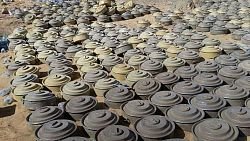
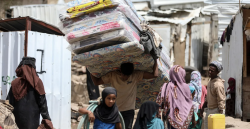
Yemen has faced an ongoing civil conflict since 2015, which has resulted in unprecedented humanitarian challenges. The civil war erupted between the Houthi movement, backed by Iran, and the Saudi-led coalition that supports the internationally recognized government based in Aden. The conflict has led to massive displacement, with more than four million individuals currently classified as internally displaced persons (IDPs). The country suffers from dire humanitarian conditions, with around 18 million people requiring assistance, facing food shortages, and a deteriorating health system plagued by epidemics of cholera and measles.
In this environment of conflict, landmines and unexploded ordnance (UXO) have become an urgent threat to civilian safety. Various factions involved in the conflict have planted these explosives, primarily in areas that were battlefields or strategic locations. As a result, innocent civilians, particularly vulnerable groups such as children and the elderly, often fall victim to these deadly remnants of war. The indiscriminate placement of landmines not only endangers lives but also perpetuates a climate of fear and instability in communities.
To address this pressing issue, humanitarian projects have sought to de-mine crisis-affected areas. Among these initiatives is the MASAM Project, which has been pivotal in eliminating landmines from conflict zones in Yemen. Launched by the King Salman Humanitarian Aid and Relief Center (KSrelief), this program aims to enhance civilian safety by systematically locating and neutralizing these threats, allowing displaced populations to potentially return home safely.
In the first week of June, the MASAM Project reported significant progress in its efforts to clear landmines and explosive remnants in Yemen, successfully removing a total of 798 dangerous items. This operation involved the recovery of six anti-tank mines, 11 anti-personnel mines, and a staggering total of 781 unexploded ordnance pieces. Each mine removed contributes to a larger goal of restoring security and fostering an environment where civilians can live without the overwhelming threat of being injured or killed by hidden explosives.
Since its inception, the MASAM Project has achieved the remarkable feat of clearing a total of 565,137 landmines and explosive devices, demonstrating its commitment to mitigating the dangers posed by remnants of war. The project employs specialized teams equipped with state-of-the-art technology and expertise to detect, deactivate, and safely dispose of mines, ensuring that efforts are thorough and effective.
The dangers posed by these landmines are particularly acute given their indiscriminate placement across various provinces in Yemen. These explosive devices not only threaten the individuals who encounter them but also contribute to a pervasive atmosphere of fear within affected communities, impacting daily life and hindering potential recovery efforts. Routine activities such as farming and movement around communities become fraught with danger, as families navigate areas where landmines may be hidden.
Saudi Arabia, through KSrelief, remains a central player in addressing the humanitarian crisis in Yemen, particularly in landmine clearance efforts. The country recognizes the imperative to create safer environments for Yemeni citizens and enhance their dignity. By working to eliminate these malicious remnants of conflict, KSrelief not only aims to protect lives but also strives to rebuild communities ravaged by years of war.
The MASAM Project is primarily driven by the King Salman Humanitarian Aid and Relief Center, which plays a vital role in coordinating humanitarian efforts within Yemen and reflects Saudi Arabia’s broader commitment to support the Yemeni population amidst ongoing conflict. KSrelief has garnered support from various local and international partners dedicated to humanitarian causes, which enhances the capacity and reach of projects like MASAM.
In addition to the Saudi government, international organizations such as the United Nations and the International Committee of the Red Cross closely monitor and often collaborate with de-mining initiatives. These partnerships are crucial for ensuring that humanitarian efforts align with global standards and meet the immediate needs of affected populations. Engaging local communities, stakeholders, and NGOs further facilitates the safety and effectiveness of landmine clearance operations.
Additionally, the Yemeni populace itself plays a critical role in the success of these projects. Local residents often provide insights into areas most affected by landmines or assist in identifying safe routes for clearance teams. Their involvement ensures that de-mining efforts are responsive and rooted in the realities of everyday life in conflict-impacted regions. Community contributions not only aid in project success but also foster a stronger sense of ownership among the populations benefiting from these humanitarian initiatives.
The complexity of the Yemen conflict means that stakeholders must navigate different factions, political dynamics, and security challenges. Understanding the interconnected nature of these relationships is essential for these organizations to effectively implement projects that address the urgent issues facing civilians in the war-torn country.
The ongoing conflict and resultant humanitarian crisis in Yemen extend far beyond its borders, influencing regional stability and geopolitical dynamics in the Arabian Peninsula. The war has drawn in multiple regional powers, each seeking a stake in the unfolding situation. Saudi Arabia and its allies, including the United Arab Emirates, view the conflict as a battleground against Iranian influence exerted through the Houthis, who pose a perceived threat along the southern borders of Saudi Arabia.
The presence of landmines and unexploded ordnance further complicates the situation, impacting not only humanitarian efforts but also the overall security landscape of the region. As landmines prevent civilians from resuming their normal activities, the potential for unrest and instability increases. Safe movement for humanitarian aid and military operations is compromised, making it difficult for international organizations and local governments to implement effective solutions.
With Bab al-Mandab, a crucial maritime chokepoint located near the southern coast of Yemen, playing a prominent role in global shipping and trade, the ramifications of instability in Yemen can reach international dimensions. Ensuring safe passage through this artery is critical for regional commerce, and any escalations in conflict or unrest have the potential to disrupt international trade routes, affecting the economies of multiple nations reliant on maritime shipping.
Efforts to clear landmines are integral to efforts aimed at achieving broader peace and stability in the region. Successful de-mining leads to safer conditions, encouraging displaced persons to return home, facilitating reconstruction and revitalization of communities, and contributing to overall progress toward a peaceful resolution of the ongoing conflict.
The de-mining initiatives implemented by the MASAM Project are a critical component of humanitarian efforts aimed at alleviating the challenges faced by people in Yemen. While the removal of landmines is fundamentally about enhancing civilian safety, it also serves as a broader metaphor for the road to recovery and reconciliation for a nation that has endured profound suffering due to war. The staggering number of cleared explosives underscores the scale of the problem, reflecting years of conflict that have left communities littered with deadly remnants.
The ongoing humanitarian crisis, particularly in light of the conflict’s prolonged duration, necessitates a multi-faceted approach that encompasses both immediate and long-term relief efforts. Simply clearing mines is not sufficient; it must be complemented by robust health services, food security, and economic revitalization to support those affected. As communities begin to return home to areas made safer by de-mining efforts, they will require assistance to rebuild their lives, which necessitates the collaboration of various stakeholders.
The strategic implications of mine clearance efforts extend to shaping the post-war landscape. A successful de-mining campaign may not only save lives but also pave the way for increased social cohesion, as communities come together to reclaim their spaces and restore a sense of normalcy. Conversely, the failure to adequately address the specter of landmines can inhibit recovery, perpetuating fears and hindering the reintegration of communities displaced by conflict.
Still, the MASAM initiative faces challenges from ongoing hostilities and the complexities of Yemeni politics. With various factions involved in the conflict, the potential for disagreement or disputes over land access may impede the effectiveness of clearance operations. Project leaders need to maintain dialogue and collaboration among all stakeholders to successfully navigate these obstacles.
The next steps for the MASAM Project and other de-mining efforts in Yemen will hinge on several factors, including the evolving security situation and the ongoing assessment of community needs. As more landmines are removed and communities begin to experience the tangible benefits of these efforts, humanitarian organizations need to maintain a proactive approach in engaging with affected populations. Ongoing dialogue will assist in identifying persistent challenges and tailoring responses to the evolving dynamic on the ground
Moreover, continued support from international partners will be essential to sustain the momentum of de-mining efforts. As Saudi Arabia and KSrelief continue to push forward with clearing operations, securing financial and technical resources from global entities will bolster the effectiveness of these initiatives and ensure that sufficient measures are in place for rehabilitation and recovery.
As the conflict persists, the necessity of addressing the broader humanitarian crisis also becomes paramount. Clearing landmines is an urgent need, but it must intertwine with efforts aimed at health, education, food security, and economic recovery in Yemen. Facilitators and policymakers must prioritize an integrated approach to ensure long-term sustainability and peace-building in the region.
In light of these considerations, maintaining the focus on landmine clearance while advocating for comprehensive humanitarian assistance will be critical as Yemen continues its path toward recovery. The journey ahead remains arduous, characterized by complexities and uncertainties. However, the strides made by initiatives like the MASAM Project provide hope that positive change is possible, ultimately leading to stabilization and the restoration of normalcy for Yemen’s marginalized communities.
About the Author