Ceasefire talks may falter as the blockade in the Strait of Hormuz persists, Iran’s stance uncertain
 Yemen Herald News
The recent escalation in hostilities between Iran and Israel marks a significant shift in the geopolitical landscape of the Middle East, particularly as it ties into the ongoing Yemen conflict. This escalation is rooted in the long-standing tensions between Iran’s ambitions in the region and Israel’s efforts to counter those influences. Since the onset of the Yemen civil war in 2015, the Houthi movement, which receives support from Iran, have played a pivotal role in the regional struggle for power. The Saudi-led coalition, aiming to support the internationally recognized government based in Aden, has been engaged in a protracted military campaign against the Houthis, further complicating the humanitarian crisis that sees more than 18 million people in need of assistance and millions displaced.
The ongoing Israeli attacks against Iranian-aligned forces, particularly Hezbollah, have acted as a catalyst for Iran’s involvement, prompting a more aggressive stance from Tehran. Following a series of retaliatory strikes, Iran’s military engagements have widened to encompass various fronts, including the active participation of the Houthis, who are now being drawn back into the regional conflict, intensifying an already volatile situation. The interconnections between these conflicts underscore how the wars in Yemen, Syria, and beyond are intertwined, each influencing the dynamics of the others.
As tensions rise, negotiations surrounding a potential ceasefire involving United States intermediaries have remained fragile. While some Iranian leaders call for an intensification of military responses to external threats, others argue that salvaging the Iranian economy is paramount. The struggle between those favoring aggressive military postures and those advocating for diplomatic solutions reveals the deep divisions within Iran’s political landscape, further complicating the ongoing regional conflict.
Iran’s military engagements and the ongoing conflict with Israel have set the stage for broader repercussions throughout the Middle East. This includes an emboldened military approach by Iran as it seeks to assert control along critical waterways, particularly the Strait of Hormuz, pivotal for global oil shipments. Amid this backdrop, the Islamic Revolutionary Guard Corps has issued statements warning of potential strikes against energy installations in Gulf states should the attacks against Iran continue.
In the current scenario, Iran’s negotiating position has remained relatively consistent, focusing on demands that include a ceasefire in Lebanon, the withdrawal of Israeli forces, and the unfreezing of approximately $12 billion in Iranian assets. These demands are rooted in Iran’s need to bolster its economy, which has been on the verge of collapse due to strict international sanctions. As part of the negotiations, discussions around limiting Iran’s nuclear ambitions are expected to feature, though regional security concerns complicate the dialogue.
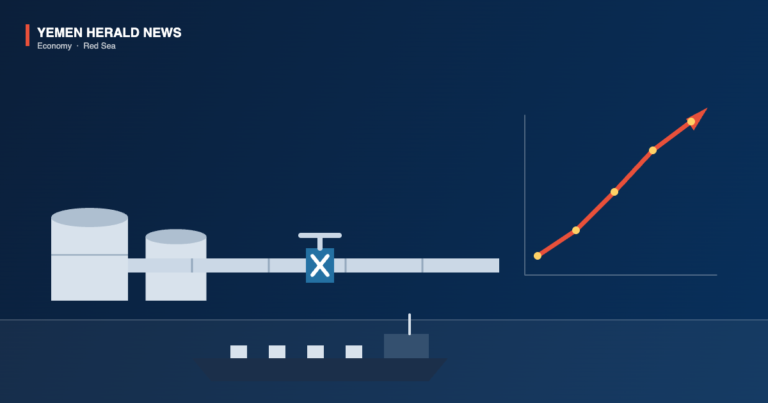
Crucially, the involvement of the Houthis in this conflict hints at a shift that could alter maritime trade routes significantly. Their previous blockade tactics targeting Israeli shipping have caused substantial disruptions and financial strain on ports, such as Eilat, effectively halting trade flows and impacting regional economies. The Strait of Hormuz and Bab al-Mandab straits are vital to international shipping, as they account for a significant portion of the global trade route, making their stability essential for sustained economic activity.
The primary stakeholders in the escalating conflict include Iran and Israel, alongside various regional actors such as the Houthis in Yemen, the Saudi-led coalition, and the United States. Iran perceives its regional ambitions as under threat from Israeli military operations and the strategic alliance with the United States. This perception fuels Iran’s desire to expand its influence through its network of proxy groups throughout the region, including the Houthis, Hezbollah, and Shia militias in Iraq, thereby complicating the Israeli response and escalating tensions.
On the other hand, Israel, led by Prime Minister Benjamin Netanyahu, views its military actions as necessary for self-defense against what it perceives as Iranian aggression. As Israel conducts strikes against Iranian forces and their proxies in Lebanon and Syria, it seeks to disrupt the supply of arms that could challenge its security. The involvement of the Houthis as Iranian proxies means their actions could have a direct impact on Israeli shipping routes, thereby linking the conflict in Yemen to the overarching struggle between Iran and Israel.
The United States, under President Trump’s administration, remains a crucial mediator attempting to strike a balance between supporting its ally Israel and engaging with the Iranian leadership. The U.S. government’s approach has seen a dual strategy of imposing sanctions on Iran while attempting to negotiate a diplomatic resolution. However, the administration faces challenges in navigating both domestic political pressures and the realities of regional conflicts that are increasingly interlinked.
Among all stakeholders, the Houthi movement remains a pivotal player. Their decisions to either escalate or de-escalate military actions can significantly influence maritime stability in the Red Sea and beyond, bearing enormous implications for global trade and regional security. Their involvement has already been shown to disrupt key shipping lanes, a factor that demands attention from all players engaged in or affected by this conflict.
The ongoing conflict between Iran and Israel, with its ramifications extending to the Houthis in Yemen, is reshaping the already complex stability of the Middle East. As tensions rise, nations and economies that rely on maritime routes for trade face significant uncertainties. The potential disruption of shipping in both the Strait of Hormuz and the Bab al-Mandab strait could lead to heightened economic vulnerabilities, impacting oil prices and trade dynamics worldwide. This would impact not only regional partners like Saudi Arabia but also major consumers globally, leading to possible repercussions in energy markets.
Major shipping routes are critical for the global economy, and any move by the Houthis to expand their blockade from Israeli shipping to broader targets could exacerbate the situation. If both the Bab al-Mandab and the Strait of Hormuz were to experience significant blockages, it could force a re-routing of maritime traffic around the Cape of Good Hope, leading to increased shipping costs and potential delays. The impact of such disruptions could ripple through the global economy, affecting countries as far-flung as Brazil and Japan.
Moreover, as Iran and its allies assert more control over maritime routes, the diplomatic landscape could shift. Nations in the region might reassess their military and diplomatic strategies, resulting in new alliances or exacerbated rivalries. Countries like Saudi Arabia may feel pressured to enhance their military capabilities or recalibrate their foreign policy to counter Iran’s growing influence, potentially leading to an arms race in the region and further military engagements.
Humanitarian concerns could also heighten, particularly with regard to the already desperate situation in Yemen. The ongoing civil war has resulted in widespread suffering, with millions displaced and basic resources scarce. Should the conflict intensify further, the chances of humanitarian access deteriorating increase, leading to greater risks of famine and disease outbreaks, compounding an already critical situation for millions of Yemenis.
The current escalation presents a pivotal moment for various stakeholders involved, particularly for Iran, which is attempting to leverage the situation to enhance its regional standing. Iran’s military strategy appears to be shifting from one of reactive defense to a more aggressive posture that seeks to impose its influence across the region. Much of this strategy hinges on the calculations of stakeholders like the Houthis, who are influenced by Iranian directives yet also have their own local concerns to navigate.
Despite calls from hardliners within Iran for an all-out war against perceived foes, a significant portion of Iranian leadership recognizes the critical state of the economy as a primary concern. They argue that without addressing economic stability through negotiations and international engagement, Iran could face a crippling internal crisis. This recognition of internal vulnerabilities could temper Iran’s military bluster and lead to pragmatic approaches, depending on the responses from the United States and its allies.
Israel’s response to this situation is equally telling. More than ever, it finds itself in a precarious position, where its responses to Iranian actions must not only safeguard its own national security but also consider the geopolitical ramifications of its military engagements. The Israeli government is tasked with balancing its need for security while managing a complex relationship with the United States, which at times seems to advocate for dialogue rather than confrontation.
Moreover, the Houthis’ choices play a critical role in determining the likelihood of regional escalation or de-escalation. While they may seek to assert themselves militarily, they also face the consequences of their actions on their relationship with Saudi Arabia, as negotiations for peace continue to evolve. If the Houthis opt for a more aggressive military stance, they risk further complications in their ongoing dialogue with Riyadh and could jeopardize potential peace settlements that could alleviate suffering in Yemen.
The direction of the conflict and its implications for the region hang in the balance, with several key developments anticipated in the near future. First, how the Houthis decide to navigate their involvement in this escalating conflict will be critical. Should they choose to expand their operations against Israeli interests, it could spark an even greater military response not just from Israel but potentially from the U.S. as well, pushing the conflict into a more widespread war.
Second, the outcomes of ongoing negotiations spearheaded by the United States will be crucial in determining whether a diplomatic resolution can be achieved. The U.S. administration faces the challenge of addressing domestic political considerations while engaging with international partners and adversaries alike. It remains to be seen whether the economic incentives proposed will be sufficient to bring Iran back to the negotiating table, amid pressures from both hardliners in Iran and their regional proxy forces.
Lastly, as the humanitarian situation in Yemen deteriorates further amid ongoing fighting and blockades, there will likely be an increased push for a ceasefire to address the immediate needs of millions suffering from the conflict. Diplomats could leverage the evolving dynamics of the Iran-Israel conflict to advocate for renewed peace talks in Yemen, potentially creating additional pressure for ceasefire agreements that could alleviate some humanitarian woes, at least in the short term.
In conclusion, the evolving military dynamics and diplomatic efforts surrounding the Iran-Israel conflict, intertwined with the instability in Yemen, will continue to shape the geopolitical landscape of the Middle East. As stakeholders weigh their military options against the urgent need for economic and humanitarian considerations, a complex interplay of factors will determine the region’s immediate future.
About the Author