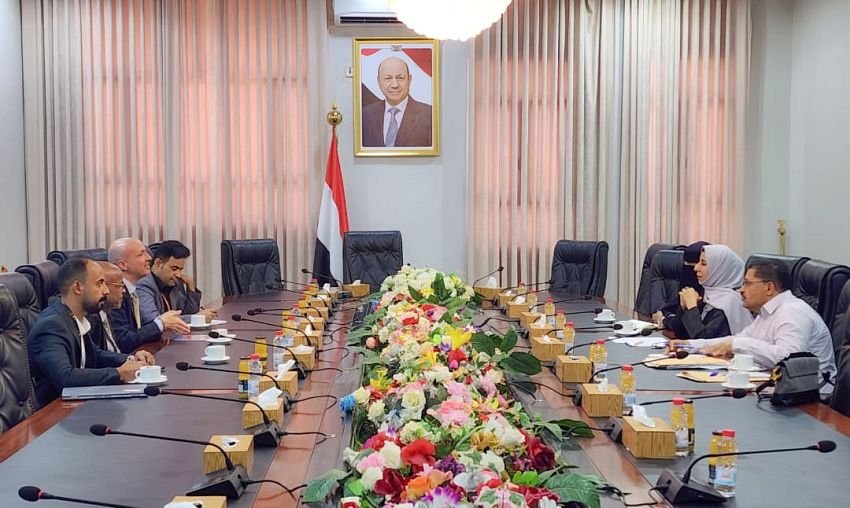
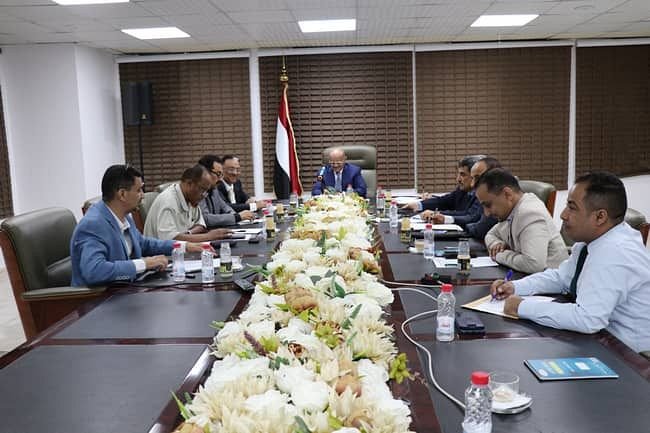
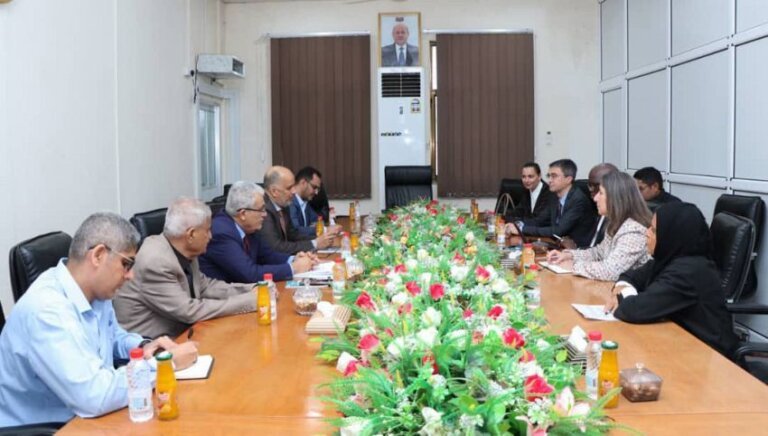
Efforts to rebuild Yemen’s development framework are gaining momentum as Minister of Planning and International Cooperation Afrah al-Zouba held talks in Aden with Francesco Galetti, representative of the United Nations Population Fund (UNFPA). The discussions focused on expanding cooperation in critical areas such as population data, institutional capacity, and support for essential public sectors.
The meeting highlights a broader shift toward evidence-based policymaking, as Yemen seeks to rebuild its planning institutions amid ongoing economic and structural challenges.
Data as the Foundation for Recovery
A central theme of the discussions was the urgent need for reliable and up-to-date data to guide national decision-making. Minister Afrah al-Zouba emphasized that accurate statistics are no longer a technical luxury but a strategic necessity.
In a country facing complex humanitarian and economic pressures, the absence of reliable data can significantly hinder effective policy design. Population trends, resource allocation, and service delivery all depend on strong statistical systems—an area where Yemen has faced persistent gaps.
The United Nations Population Fund has played a key role in supporting surveys and demographic programs, helping to provide a clearer picture of the country’s evolving needs.
A New National Development Plan
One of the most significant outcomes of the meeting was the emphasis on developing a comprehensive national development plan—the first in several years. This initiative signals an attempt to move beyond short-term responses toward a more structured, long-term strategy.
The proposed plan aims to:
- Integrate international best practices
- Align development priorities across sectors
- Strengthen coordination between government institutions
A key component of this effort involves closer collaboration with Yemen’s statistical bodies to ensure that planning is grounded in credible and current data.
Strengthening Institutional Capacity
Beyond data collection, the discussions highlighted the importance of building institutional capacity within government agencies. This includes:
- Training technical staff
- Enhancing planning methodologies
- Improving implementation and monitoring systems
Such efforts are essential for translating policy frameworks into tangible results, particularly in sectors like healthcare, education, and public services.