Marib Declares Health Emergency After Measles Kills 12 Children and Infects 1,624
 Yemen Herald News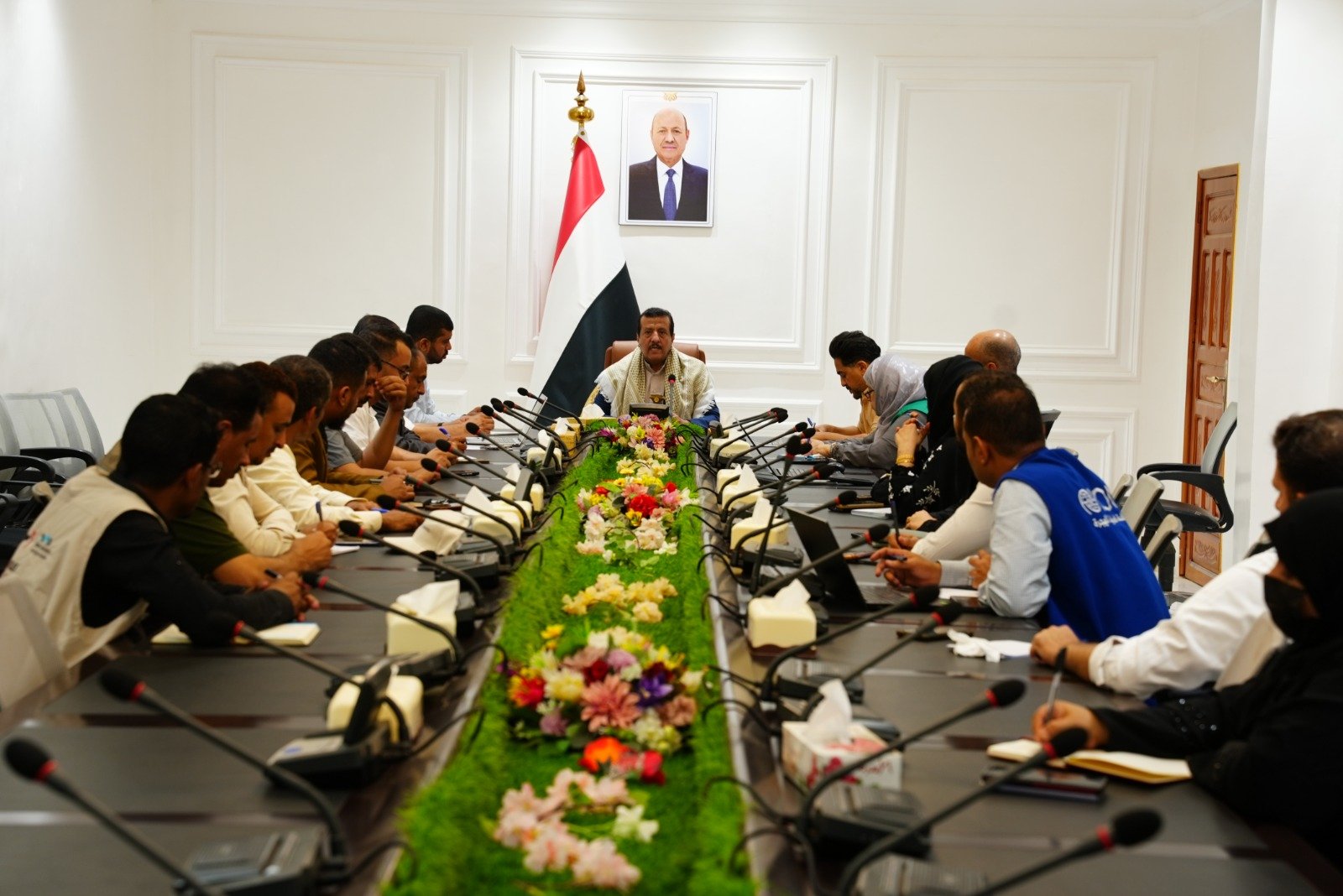
Authorities in Yemen’s central governorate of Marib have declared a health emergency and approved an urgent response plan after a measles outbreak killed 12 children and infected 1,624 people since the beginning of 2026. Deputy Governor Dr Abdulrabbo Miftah chaired the meeting that endorsed the plan, bringing together the local health office and representatives of the humanitarian Health Cluster working in the governorate.
Of the recorded infections, 290 have been confirmed by laboratory testing, with the remainder classified as suspected or clinically diagnosed. Health officials said roughly 85 percent of all cases have been reported inside displacement camps, and that infections have been traced across 36 separate camp sites scattered around the governorate.
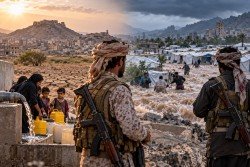
Marib hosts the largest displaced population in Yemen. More than two million people who fled fighting elsewhere in the country now live in and around the city, out of a nationwide displaced population approaching five million. That concentration, combined with crowded shelter conditions and limited sanitation, creates precisely the environment in which measles spreads fastest.
The approved plan sets out standardised treatment protocols for health facilities receiving suspected cases, an emergency vaccination campaign targeting children in the worst-affected camps, and a public awareness drive intended to counter hesitancy and explain the importance of routine childhood immunisation.
Officials at the meeting also called for tighter coordination with the Ministry of Public Health and Population and with humanitarian partners operating in the governorate, arguing that additional vaccines, medicines and equipment will be needed before the campaign can reach every camp on the list.
Miftah told the meeting that the rate of infection and the number of deaths among young children represented a severe risk to public health, and urged United Nations agencies and international organisations to accelerate deliveries of vaccines and medical supplies. He said the governorate could not absorb the caseload without external support.
Participants attributed part of the outbreak’s spread to what the Yemeni government describes as obstruction of vaccination campaigns in areas controlled by the Houthi movement. The Houthi authorities have rejected similar characterisations in the past, and independent verification of immunisation activity across front lines remains difficult for outside agencies.
The Marib figures sit inside a much larger national picture. Across areas under government control, 87 measles deaths and more than 14,000 suspected cases were recorded in the first half of 2026 alone, according to health authorities, a caseload that has stretched an already fragile system close to its limits.
World Health Organization assessments indicate that roughly 70 percent of Yemen’s measles cases are concentrated in Houthi-controlled territory, where access for vaccination teams and for routine case surveillance is most constrained. That imbalance complicates any national campaign designed to interrupt transmission rather than simply treat the sick.
Immunisation coverage has fallen sharply over a decade of conflict and economic collapse. Around 27 percent of Yemeni children under one year old have not received measles and rubella vaccination, leaving a large susceptible cohort in exactly the age group most likely to die from the disease.
Funding is the binding constraint. Shortfalls in humanitarian financing have forced campaign planners to narrow their targets, and recent vaccination rounds have been restricted to children under five rather than the wider age range that epidemiologists say would be needed to close the immunity gap.
Measles is among the most transmissible human viruses and spreads efficiently wherever vaccination coverage falls below roughly 95 percent. In malnourished children the case-fatality rate rises steeply, and complications such as pneumonia, encephalitis and severe diarrhoea account for the majority of deaths.
Those risk factors converge in Marib’s camps, where food insecurity is widespread and many families arrived after long journeys carrying no medical records. Children who have missed one or more routine doses are effectively unprotected, and a single introduction can seed an outbreak across an entire camp within weeks.
The response plan also strengthens disease surveillance. The health office has been instructed to map outbreak hotspots, track case numbers camp by camp, and report data more frequently so that vaccination teams can be directed to the sites where transmission is most active rather than spread thinly.
Marib’s health system has expanded since the war began, but not at the pace of its population. Facilities built for a pre-war city now serve several times as many residents, and the continued arrival of families from Houthi-held areas adds pressure faster than new capacity can be brought online.
The camps themselves complicate delivery. Many are informal settlements that grew without planning as successive waves of families arrived, and some sit well outside the city on routes that become difficult during the rainy season. Vaccination teams working in those locations need transport, cold-chain equipment and security clearance, each of which has to be arranged separately.
Measles outbreaks in Yemen have followed a recognisable pattern since the war began, rising whenever a vaccination round is delayed or a funding cycle lapses, then receding once catch-up campaigns reach enough children. Health officials in Marib say the aim of the emergency declaration is to compress that cycle and reach susceptible children before the current wave peaks.
Whether the emergency plan succeeds will depend largely on how quickly vaccines and funding arrive. Local authorities say the immediate priority is a camp-by-camp immunisation push before the caseload climbs further into the second half of the year.
About the Author