Yemen’s acting ambassador in Sofia says Red Sea security is a direct international interest
 Yemen Herald News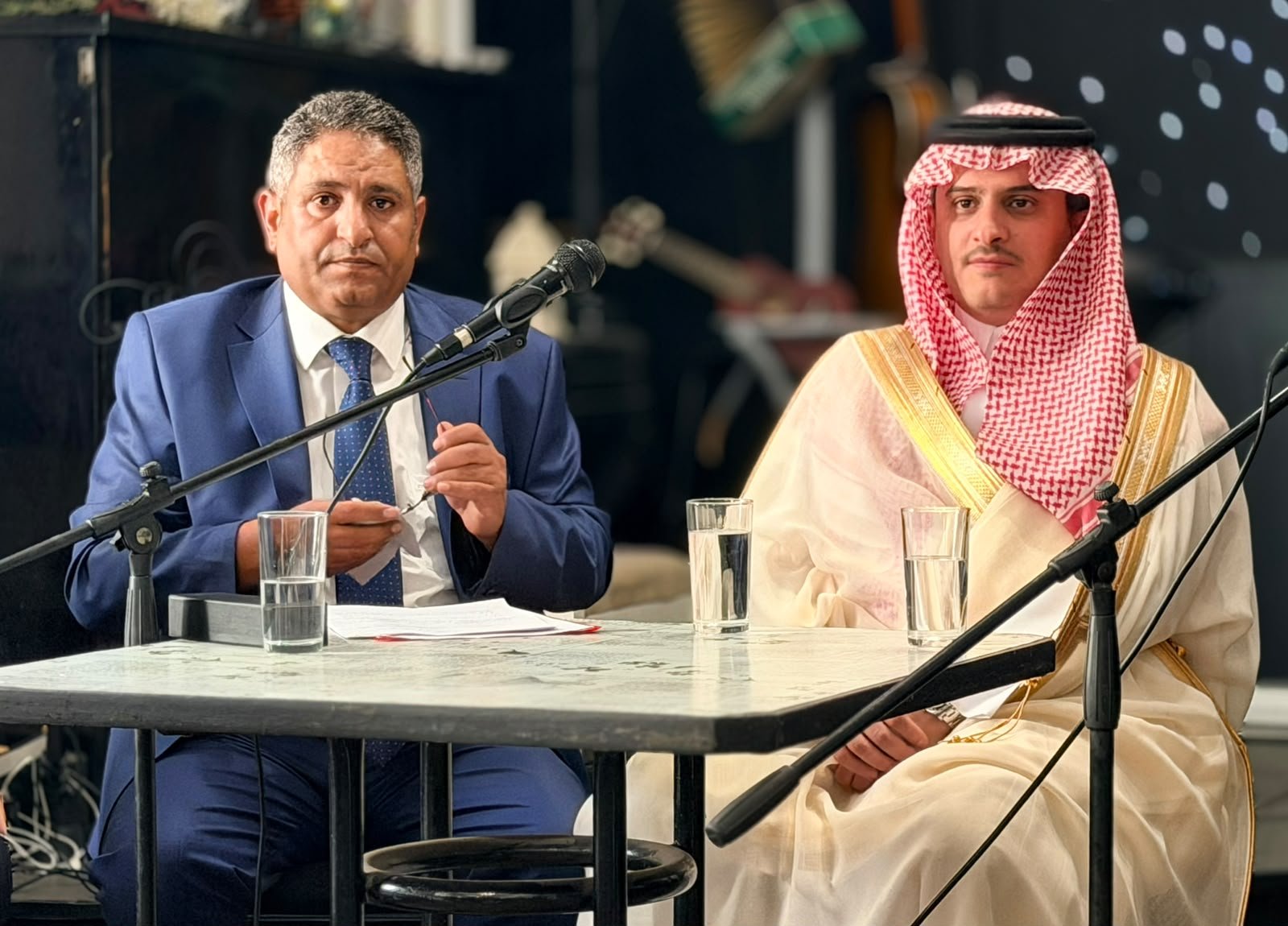
SOFIA, Bulgaria — Yemen’s acting ambassador to Bulgaria said on Friday that Houthi control of the Red Sea coast had turned shipping security into a direct international concern.
Ahmed Shammer said the threat had moved past Yemen’s borders and now reached regional security, freedom of navigation, international trade, energy security and supply chains between Asia and Europe, according to the state news agency Saba.
He spoke at a news conference at the headquarters of the Bulgarian Journalists’ Union in Sofia.
“The security of the Red Sea and Bab al-Mandeb is no longer just a Yemeni or regional issue; it represents a direct international interest, considering the strategic importance of this passage in global trade and energy movement,” Shammer said, according to Saba.
The Saudi ambassador to Bulgaria, Rami al-Otaibi, took part in the event.
Shammer said the Yemeni government rejects any attempt to turn the country’s western coast, its islands and its territorial waters into a permanent platform for threatening neighbouring states and international shipping.
He said Iranian support, and networks moving weapons, technology and military expertise, had built up the Houthis’ military capabilities. The Houthis deny that Iran directs them.
He asked governments to move from condemnation to enforcement. That meant applying Security Council resolutions and arms bans strictly, he said, and acting against networks that finance the group, smuggle on its behalf, or transfer dual-use components to it.
Shammer said armed groups operating outside state institutions along one of the world’s busiest sea lanes were a standing danger to regional and international security.
He also raised the humanitarian cost of the fighting and asked donors to increase support for displaced families and the communities hosting them.
Saba said he asked the international community and donors to strengthen support for the government and for humanitarian organisations working with displaced people and host communities, and to protect civilians.
The ambassador said his government remained committed to peace under agreed references and Security Council resolutions, naming Resolution 2216. Sustainable peace required restoring state institutions, extending state authority and placing weapons under state control, he said.
Resolution 2216, adopted in 2015, demands that the Houthis stop military operations and imposes a targeted arms embargo on the group.
Al-Otaibi told the same news conference that attacks on ships and infrastructure were affecting energy supplies, trade, markets and the global economy, and that threats now ran across both the Strait of Hormuz and Bab al-Mandab. He said maritime routes had to be protected and freedom of navigation preserved.
Saba was the only outlet to report the Sofia news conference. Yemen Herald found no independent account of it, and the characterisations of the Houthis and of Iran are the two ambassadors’ own. The agency rendered the Yemeni envoy’s surname three different ways in its English report; this account uses the form it used most often.
The news conference followed three weeks of territorial change on Yemen’s coast.
Houthi forces took the port of Mocha on Sept. 10, according to FDD’s Long War Journal. The next day they captured the remaining stretch of Yemen’s Red Sea coast and Perim Island, in the middle of the Bab al-Mandab strait. They also took the Hanish Islands, further north in the southern Red Sea.
Perim Island sits in the narrowest part of the strait, between the Yemeni mainland and Djibouti.
Fighting between the Houthis and government forces resumed in July after about four years of relative calm under a truce brokered by the United Nations.
The Houthis declared a blockade on Saudi shipping in July and have extended their reach along the coastline since. Saudi Arabia had leaned more heavily on its Red Sea export route after the closure of the Strait of Hormuz earlier this year.
The Security Council met on Sept. 15 at the request of France, which holds the presidency this month. It was the second emergency session on Yemen in under a week.
At the earlier session, on Sept. 10, a UN assistant secretary-general told the Council that the risk of Yemen returning to large-scale conflict had become a “harsh reality”.
The International Organization for Migration says more than 112,000 people have been displaced in two weeks, across Aden, Hudaydah, Abyan and Taiz. About 2,300 have reached Djibouti.
The organisation put displacement since the start of September at more than 125,000 people. It recorded 40 civilian casualties over the same period, more than half of them women and children.
The Houthis said on Sept. 15 they had fired missiles and drones at King Khalid Air Base in Saudi Arabia. Two days later, Saudi civil defence said falling debris from an intercepted drone killed a Yemeni resident in Taif province and injured two other people.
The Saudi-led coalition said on Sept. 15 that it had shot down a drone near Mecca. Hazem al-Assad, a member of the Houthi political bureau, called the accusation a fabrication and said the group’s targets were oil facilities and military bases away from the holy sites.
Bab al-Mandab connects the Red Sea to the Gulf of Aden and carries a large share of the seaborne trade moving between Asia and Europe.
Saba did not say whether Bulgarian officials attended the news conference.
About the Author