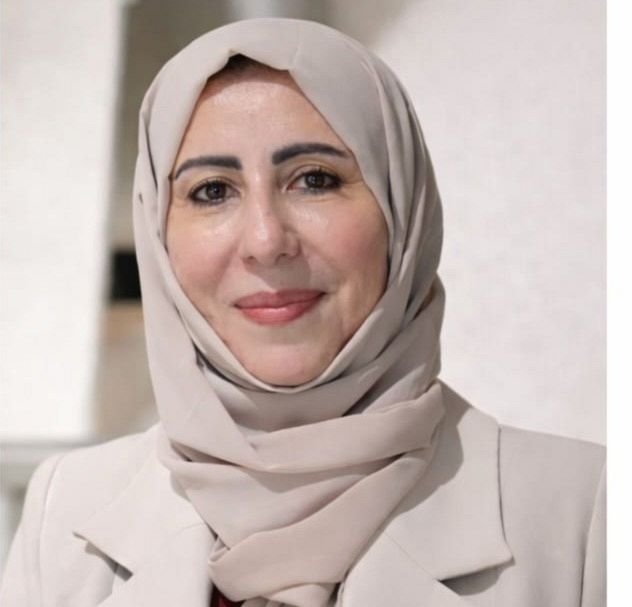
Foreign Minister Afrah al-Zouba calls for firm international action against Houthis
 Yemen Herald News
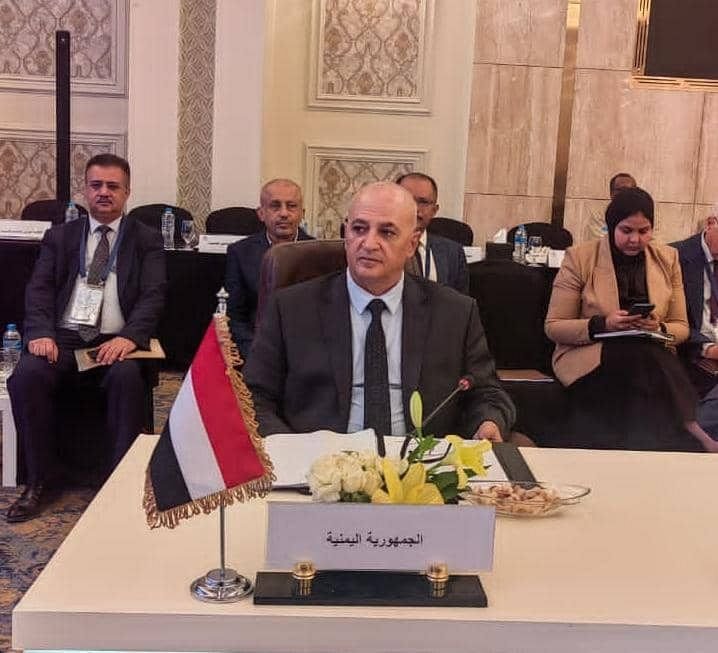
ADEN, Yemen — Yemen’s foreign minister called for firm international action against the Houthis in a phone call on Sunday with the top U.S. diplomat for Yemen, state news agency Saba said.
Foreign Minister Afrah al-Zouba spoke with Neil Hop, the U.S. chargé d’affaires to Yemen, according to the agency.
She pressed for concrete measures to implement U.N. Security Council resolutions on Yemen, naming Resolution 2216, Saba said.
Al-Zouba said state institutions had to be restored and the Houthi takeover ended. She said weapons and decisions on war and peace should rest with the state.
The account of the call rests on Saba, the Yemeni government’s own news agency. No independent confirmation of the conversation has been published, and Yemen Herald could not verify it separately.
Al-Zouba condemned Houthi abuses against civilians, the recruitment of children, and the siege and shelling of residential districts in Taiz, the agency said. The Houthi authorities reject such accounts and accuse government forces and the Saudi-led coalition of killing civilians.
She called for steps to stop Iranian weapons, money and military expertise reaching the group, Saba reported. Iran denies arming the Houthis.
The minister also pressed for the protection of shipping lanes, naming the Red Sea and the Bab al-Mandab Strait.
Hop reaffirmed U.S. support for Yemen’s unity, security and stability, according to the agency. It said he condemned Houthi abuses against civilians and spoke of continued cooperation to protect international shipping.
Saba said al-Zouba welcomed U.S. backing for the Presidential Leadership Council and the government, and called for closer work on counterterrorism and on curbing smuggling.
Al-Zouba became foreign minister in July, the first woman to hold the post. She succeeded Shaya al-Zindani.
Hop took up the post of chargé d’affaires for the U.S. Mission to Yemen in August. The mission said at the time that his priorities included freedom of navigation in the Red Sea, preventing the country from becoming a haven for armed groups, and the security of U.S. partners. He holds the diplomatic rank of counselor. Some outlets render his surname as Hope.
Resolution 2216 was adopted in April 2015. It demanded that the Houthis withdraw from areas they had seized, including Sanaa, and imposed an arms embargo aimed at the group’s leadership.
The call came as the war widened. Hans Grundberg, the U.N. special envoy for Yemen, told the Security Council on Oct. 9 that the country had “slid back into full-scale war, with hostilities spreading across multiple frontlines.”
Grundberg said fighting had intensified in Marib, al-Jawf and Hajjah, and continued in the highlands west and south of Taiz city and into Lahj. He said Houthi forces had advanced on Mokha and the Bab al-Mandab coast, and that the government had begun a counter-offensive and reported retaking ground there.
Civilians, “especially women and children, are once again bearing the brunt of escalating violence,” Grundberg said. He noted that the International Monetary Fund has ranked Yemen the world’s poorest country.
He said threats against Saudi-linked commercial ships in the Red Sea undermined freedom of navigation, and repeated a call on the Houthis to stop their attacks on Saudi Arabia.
Grundberg said the release of 72 detained U.N. staff was “especially urgent.” He welcomed the release of one as a positive step but said there had been no meaningful progress on the rest.
The Houthis have struck Saudi targets repeatedly in recent weeks. An attack on King Khalid International Airport in Riyadh on Saturday killed 12 people and injured 309, Saudi Arabia’s General Authority of Civil Aviation said. The group claimed responsibility for that attack and others.
President Donald Trump said on Saturday that he planned to speak with Saudi Crown Prince Mohammed bin Salman, and has said he is weighing joining the campaign against the Houthis. The White House did not comment on Sunday.
Saudi authorities said King Fahd International Airport in Dammam was also attacked. The Houthis claimed that strike and attacks on oil and gas facilities in the kingdom’s east.
The group warned airlines, staff and travellers against using Saudi airports and airspace. Several international carriers suspended flights for varying periods.
The Houthi-run health ministry said the Saudi-led coalition had killed 91 Yemenis in five weeks, and that women and children made up 60% of them. Saudi authorities have not commented on that figure.
The health ministry also said a child was killed and six people were wounded in a suspected Saudi airstrike on a house in Sanaa on Sunday.
Humanitarian needs were deep before the fighting resumed. The U.N. Office for the Coordination of Humanitarian Affairs said in its March plan that more than 22 million people in Yemen needed aid and that 18.3 million were acutely food insecure.
More than 2.2 million children under five were acutely malnourished, including 516,157 severe cases, the office said. It put the number of internally displaced people at 5.2 million and sought $2.16 billion to reach 12 million people.
A truce agreed in 2022 held until July, when the Houthis resumed attacks. The group said Saudi forces had fired on Sanaa airport as an aircraft arrived from Iran.
Saba did not say where either official was speaking from.
About the Author