Yemeni ambassador asks Belgian Senate president to back Houthi terrorist designation
 Yemen Herald News
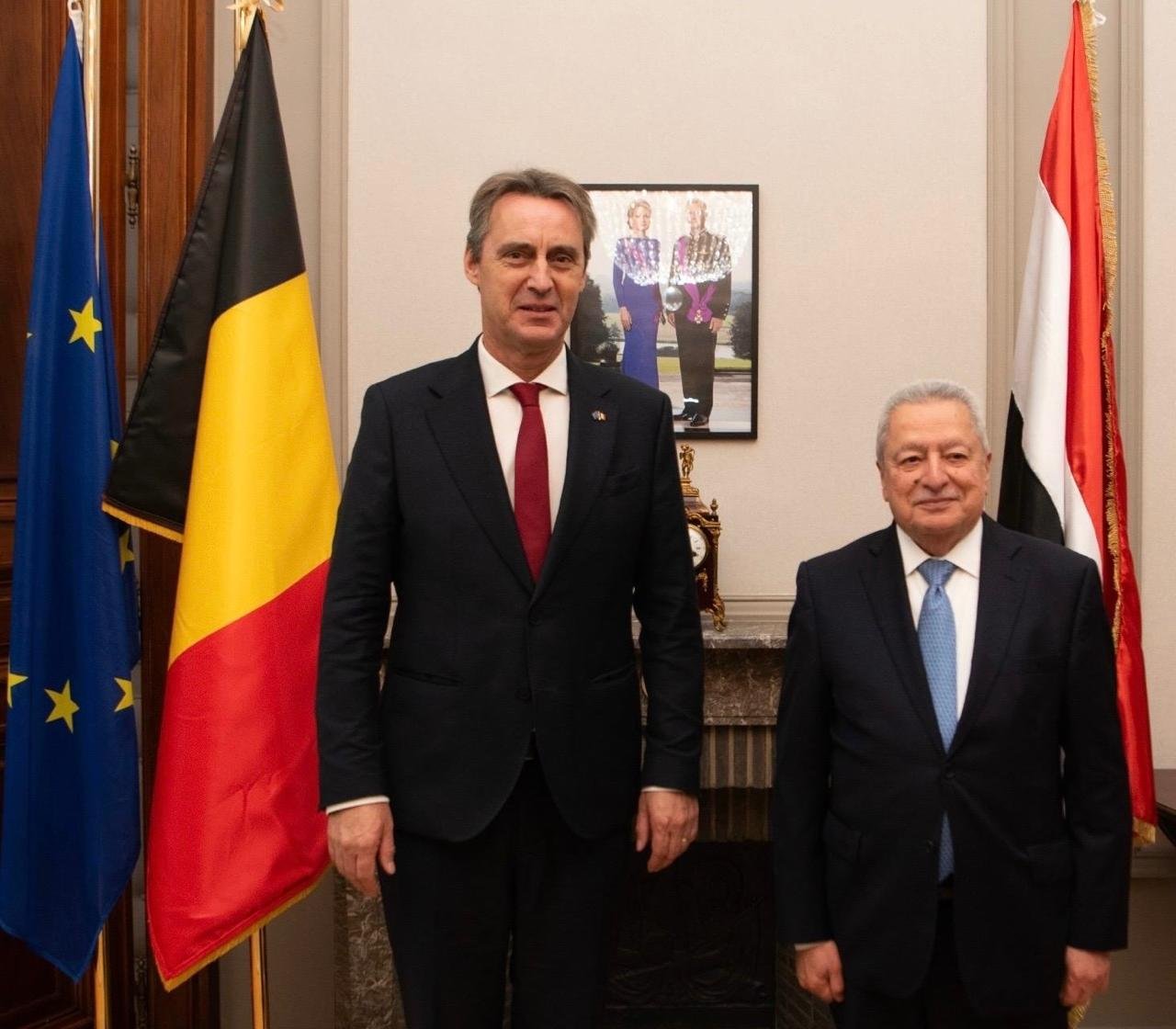
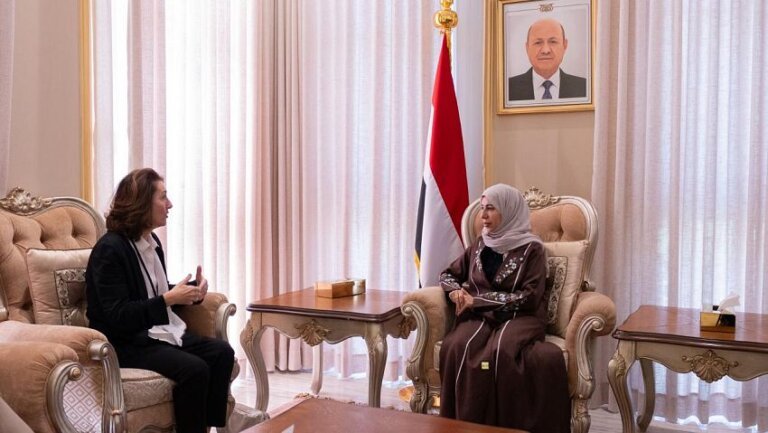
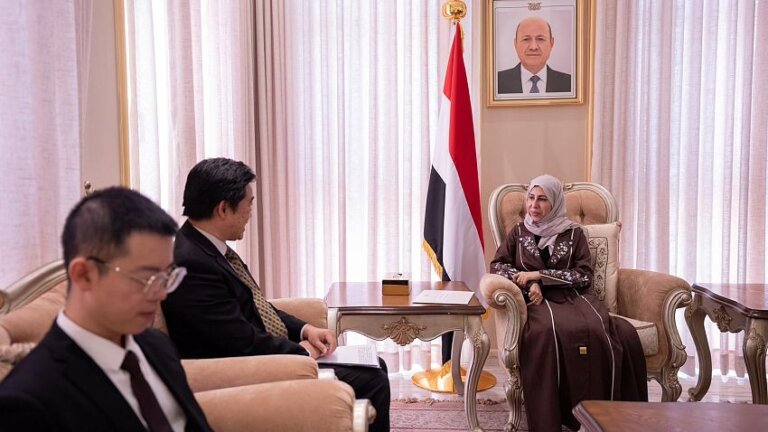
BRUSSELS, Belgium — Yemen’s ambassador to Belgium asked the Belgian Senate president on Tuesday to back a request to designate the Houthi movement a terrorist organization.
Ambassador Mohammed Taha Mustafa made the appeal in a meeting with Senate President Vincent Blondel, the state news agency Saba reported.
The two discussed bilateral cooperation and ways to strengthen relations between their countries, according to the agency.
Mustafa briefed Blondel on recent developments in Yemen, Saba said.
The ambassador cited Houthi attacks on civilians in Taiz and on security forces in Shabwa, the agency reported. He also raised what he described as threats to Saudi Arabia and to international shipping.
Those characterisations are the ambassador’s. The Houthis describe their operations differently and did not respond to his remarks.
Blondel said he understood the concerns raised, according to Saba. The agency said he condemned Houthi attacks on residential areas and civilian infrastructure.
Blondel also reaffirmed Belgium’s support for United Nations-led peace efforts, Saba said.
The account of the meeting rests on Saba, Yemen’s state news agency. No independent confirmation of the discussion has been published.
The request Mustafa raised follows a decision taken by Yemen’s cabinet this month.
The cabinet approved a draft law on October 11 that would designate the Houthi group a terrorist organization and make its activities and its financing illegal, the prime minister’s office said in a statement.
The meeting was held in Aden, the seat of the internationally recognised government.
The cabinet instructed officials to complete the constitutional and legal steps needed for ratification, according to the statement.
The statement said Yemen had reached a “decisive stage”. It blamed Iran for financing and directing the Houthi takeover.
Iran has denied supplying weapons to the group.
The same statement said a Houthi attack on King Khalid International Airport in Riyadh the previous day killed 12 people and injured 309. Yemen Herald could not independently verify those figures.
The Houthis had not commented on the designation decision when it was reported.
Yemeni officials have pressed the case in Brussels before.
Human Rights Minister Mashdal Muhammad met Hana Jalloul, vice-chair of the European Parliament’s foreign affairs committee, in the city on October 13, Yemen Monitor reported.
The minister asked the European Parliament to designate the group, and urged European pressure to limit its capacity to threaten regional security and shipping, according to the report.
He also raised conditions in Taiz, where he said the Houthis had reimposed a blockade affecting about one million people.
Jalloul said the European Union should designate the group, the report said. That is her position as a committee vice-chair, not a decision of the parliament.
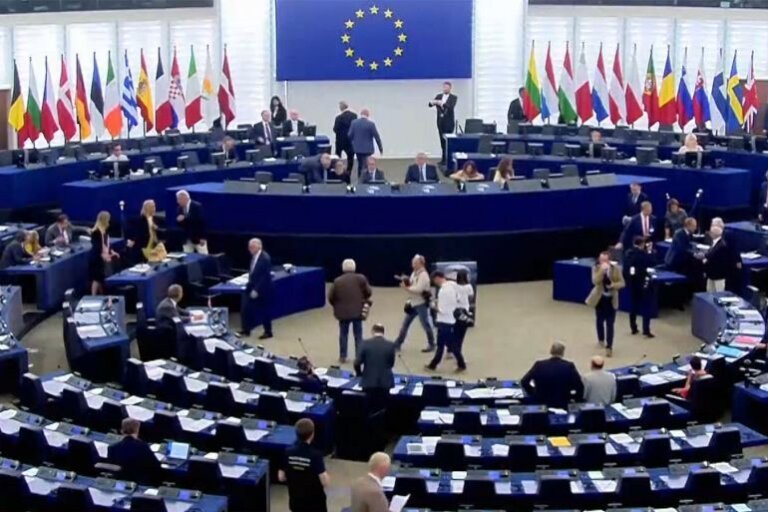
The European Union has not designated the Houthis. No vote, resolution or change of policy on the question has been reported.
The United States designated the group a foreign terrorist organization in 2025.
Mustafa is accredited to the European Union as well as to Belgium.
He briefed EU officials on conditions in Yemen in June 2024, the Yemeni foreign ministry said at the time.
Representatives of Germany, France, Sweden, the Netherlands, Italy, Lithuania and Slovakia took part in that briefing, according to the ministry.
Those officials reaffirmed support for the Presidential Leadership Council and the internationally recognised government, the ministry said.
The chamber Mustafa approached on Tuesday holds limited legislative power.
The Belgian Senate has 60 members. Fifty are appointed by the parliaments of Belgium’s federated entities and 10 are co-opted by sitting senators.
It shares competence with the Chamber of Representatives over the constitution and over laws organising the federal state. Some of those laws require special majorities.
The Senate drafts information reports, mediates conflicts of interest between the country’s parliaments, and sends delegations to interparliamentary organisations.
It also examines European Union initiatives for compliance with the subsidiarity principle under the bloc’s early warning mechanism.
The chamber takes part in appointments to Belgium’s high courts, among them the Constitutional Court, the Council of State and the High Council of Justice.
Its role in the federal legislative process is otherwise narrow.
Belgium is a member of the European Union, and Brussels hosts the bloc’s main institutions.
The European Union runs a naval mission in the Red Sea and the Gulf of Aden. Operation Aspides, launched in February 2024, escorts merchant vessels through the area.
Taiz, in Yemen’s southwest, has been a front line since 2015. Shabwa, to the east, holds oil and gas facilities.
Houthi attacks on vessels near Bab al-Mandab have disrupted traffic through the strait since late 2023. The group has said it targets ships it links to Israel.
Yemen’s war began in 2014, when the Houthis took Sanaa. A Saudi-led coalition intervened in March the following year.
The United Nations humanitarian plan published in March 2026 put the number of people needing assistance at more than 22 million.
The plan recorded 18.3 million people as acutely food insecure. It counted more than 2.2 million children under five as acutely malnourished, 516,157 of them severely.
It put the number of internally displaced people at 5.2 million.
The appeal sought 2.16 billion dollars to reach 12 million people.
Blondel has led the Senate since February 2025. He was re-elected to the post on October 13.
About the Author