Taiz hospital says it cut working incubators from 40 to 10 as fuel runs short
 Yemen Herald News
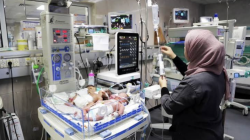
TAIZ, Yemen — A maternity hospital in Taiz has cut the number of working incubators from 40 to 10 because it cannot get fuel, its staff told Reuters.
The Yemeni-Swedish Hospital for Maternity and Childhood made the reduction as fuel supplies into the city ran down, according to the agency’s report on Monday.
“There’s no oxygen, there’s no fuel to run the incubators, to keep the babies warm,” said Nada Ahmed, a nurse in the hospital’s neonatal unit.
Nawal Najeeb, who supervises the neonatal unit, said the hospital could be forced to stop work altogether if fuel does not arrive. “It will be a catastrophe for the babies, a catastrophe of deaths and disabilities,” she said.
The account of the incubator cut rests on hospital staff who spoke to Reuters. No independent confirmation of those figures has been published, and Yemen Herald could not verify them.
Across Taiz city, 154 newborns depend on incubators and 192 patients are in intensive care, the World Health Organization said in a statement on Monday.
More than 1,110 people with kidney failure in the city need daily dialysis, according to the agency.
Hospitals and ambulances in Taiz governorate need more than 156,000 litres of fuel a month, WHO said. Shortages threaten oxygen production, emergency transport and vaccine refrigeration.
Christian Lindmeier, a WHO spokesperson, said 42 health facilities in Taiz city have reported acute shortages of fuel, oxygen, medicines and medical supplies.
Yemen’s Ministry of Public Health and Population has described the situation as “critical,” according to the agency.
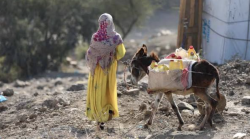
Taiz has been largely isolated since Oct. 3, with fighting blocking aid from entering and civilians from leaving, Reuters reported.
Fuel in the city has reached 2,000 Yemeni rials a litre, said Abdullah al-Radfani, a driver.
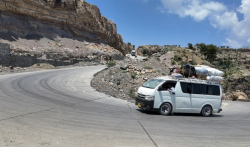
Houthi forces have blocked key supply routes into the city, including the corridor linking Taiz to Aden, the agency said.
The main road carrying food, medicine and fuel was damaged on Oct. 18 in an attack that Human Rights Watch attributed to Houthi forces. The Houthis have not publicly addressed that finding.
The fighting follows an escalation between the Yemeni government’s army and the Iran-aligned Houthi movement.
Communication network outages have hampered efforts to gather updated information from the city, WHO said. The agency said it is working with health authorities to verify remaining fuel stocks.
A Health Cluster partner delivered emergency medicines to Al-Thawra Hospital by an alternative route, according to WHO.
The agency holds stocks of essential medicines, intravenous fluids, medical supplies and water and sanitation materials in Aden for conflict-affected areas.
Médecins Sans Frontières said fuel shortages had caused power cuts at hospitals and primary health centres in Aden and Lahj, affecting operating theatres and intensive care units.
More than 256,000 people were displaced across Yemen between Aug. 1 and Oct. 19, WHO said. Nearly half of the 250,000 displaced by the latest fighting are in Taiz city, according to the United Nations.
The World Food Programme has said more than 800,000 people in Taiz and the surrounding area are cut off from food assistance.
Ricardo Pires, a UNICEF spokesperson, said 52,000 of the 168,000 children screened in Taiz this year were acutely malnourished. More than 11,500 of them were severely malnourished, he said.
UNICEF holds about 8,000 cartons of therapeutic food, enough for roughly three months, Pires said. He said insecurity and movement restrictions could hold up later deliveries and keep families from reaching treatment centres.
Médecins Sans Frontières said displacement is worsening child malnutrition in southern Yemen as families flee fighting in the north and along the west coast.
The organisation screened 299 children under five at mobile clinics in Aden and Lahj between Sept. 15 and Oct. 22. Of those, 44 had moderate acute malnutrition and 28 were severely malnourished and needed hospital care.
Sara Ghanem, a mobile health activity manager for the organisation, said staff see at least one or two severely malnourished children every day at each location.
Fatma Jaffar Shotah, policy, advocacy and media manager for Oxfam in Yemen, described a dialysis patient who now stays two nights at a health centre because the journey home has become unaffordable.
The cost of that trip has risen from about half a dollar to around $10, she said. “Fuel shortage inside the city is having catastrophic impacts on people’s lives,” Shotah said.
The Associated Press reported on Oct. 24 that water trucks were largely being prevented from entering the city and that families were paying as much as 75 percent more for bottled water than a few weeks earlier.
Jens Laerke, a spokesperson for the UN humanitarian office, said the risk of disease, including cholera, was rising as fuel shortages halted pumps, generators and waste collection.
Suspected cholera cases have fallen in recent weeks, WHO said, though it noted that reduced access to health facilities may be affecting reporting in Taiz.
The agency and its partners support 10 diarrhoeal disease treatment centres across five governorates, including Taiz.
Taiz is Yemen’s third-largest city, with more than 1 million residents. The Houthis have besieged it since 2015.
Incubators keep premature and critically ill newborns warm. They depend on a steady electricity supply and on medical oxygen.
About the Author