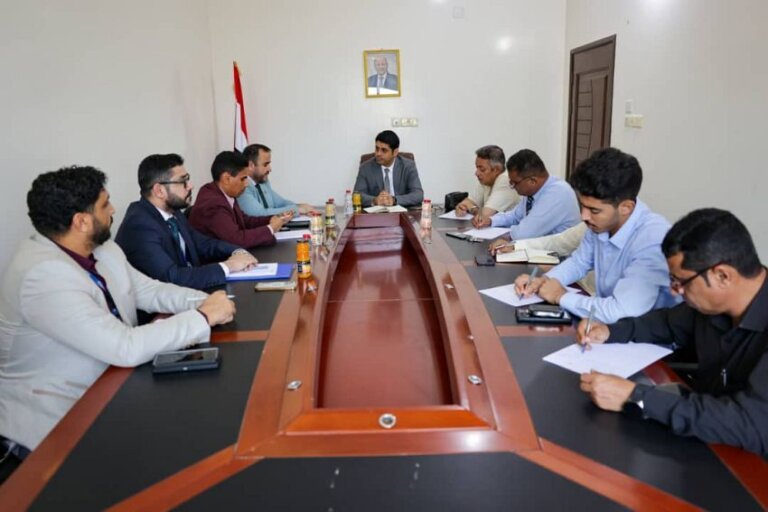
Anti-Corruption Workshop in Aden: A Crucial Step Towards Yemen’s Recovery and Stability

The launch of the anti-corruption workshop in Aden marks a pivotal moment in Yemen’s ongoing struggle for recovery and stability. This initiative, spearheaded by the Prime Minister and supported by international partners, underscores the urgent need for systemic reforms in a country ravaged by conflict and corruption.
Yemen has been embroiled in a devastating civil war since 2015, leading to one of the world’s worst humanitarian crises. Amidst this turmoil, corruption has flourished, undermining governance and eroding public trust. The Yemeni government, often seen as ineffective and fragmented, has struggled to implement reforms that could stabilize the economy and restore faith in state institutions. The recent workshop, titled “Towards a Strategic Framework for Combating Corruption to Support Recovery Efforts in Yemen,” is a direct response to these challenges. It aims to create a comprehensive framework that not only addresses corruption but also aligns with broader economic recovery and institutional reform efforts.
The workshop, organized by the Prime Minister’s technical team in collaboration with the United Nations Development Programme (UNDP), brought together ministers, judicial representatives, and international experts. This diverse participation is crucial, as it signals a collective commitment to tackling corruption from multiple fronts. Prime Minister Dr. Shaya Zindani’s opening remarks emphasized the need for an integrated approach to combat corruption, highlighting its role as a cornerstone for economic recovery and stability. The workshop’s two-day agenda focused on developing actionable strategies that enhance the efficiency of state institutions and foster trust among citizens and international stakeholders.
The implications of this workshop extend far beyond its immediate discussions. By prioritizing anti-corruption measures, the Yemeni government aims to create a more transparent and accountable system that can attract foreign investment and aid—critical components for recovery. The establishment of a coordination and follow-up committee, as outlined in Prime Ministerial Decree No. (34) of 2025, represents a significant institutional commitment to combat corruption. The committee’s role in monitoring corruption-related cases and enhancing preventive measures is vital for ensuring that reforms are not merely theoretical but lead to tangible improvements in governance and public trust.
From a geopolitical perspective, Yemen’s anti-corruption efforts are not just about internal governance; they are also about regional stability. The ongoing conflict has drawn in various regional powers, each with vested interests in Yemen’s future. A successful anti-corruption framework could potentially shift the balance of power, making Yemen a more attractive partner for international cooperation and investment. However, the risks are substantial. The entrenched interests of corrupt officials and factions may resist these reforms, leading to potential backlash or instability. The government’s ability to navigate these challenges will be critical in determining the success of its anti-corruption initiatives.
Looking ahead, the success of the workshop’s outcomes will depend on the government’s commitment to implementing the proposed strategies. Realistic scenarios include the potential for increased international support if tangible progress is made, which could lead to a gradual stabilization of the economy. Conversely, failure to address corruption effectively could exacerbate existing tensions and hinder recovery efforts. The next steps will involve not only the execution of the workshop’s recommendations but also ongoing dialogue with international partners to ensure that Yemen remains on a path toward recovery and reform.
The anti-corruption workshop in Aden is a critical juncture for Yemen, representing a concerted effort to address one of the root causes of its ongoing crisis. By fostering a culture of transparency and accountability, the Yemeni government has the opportunity to rebuild trust and lay the groundwork for sustainable recovery. However, the path forward is fraught with challenges, and the commitment to reform must be unwavering. The stakes are high, not only for Yemen but for the broader region, as the outcomes of these efforts will resonate far beyond its borders.
About the Author