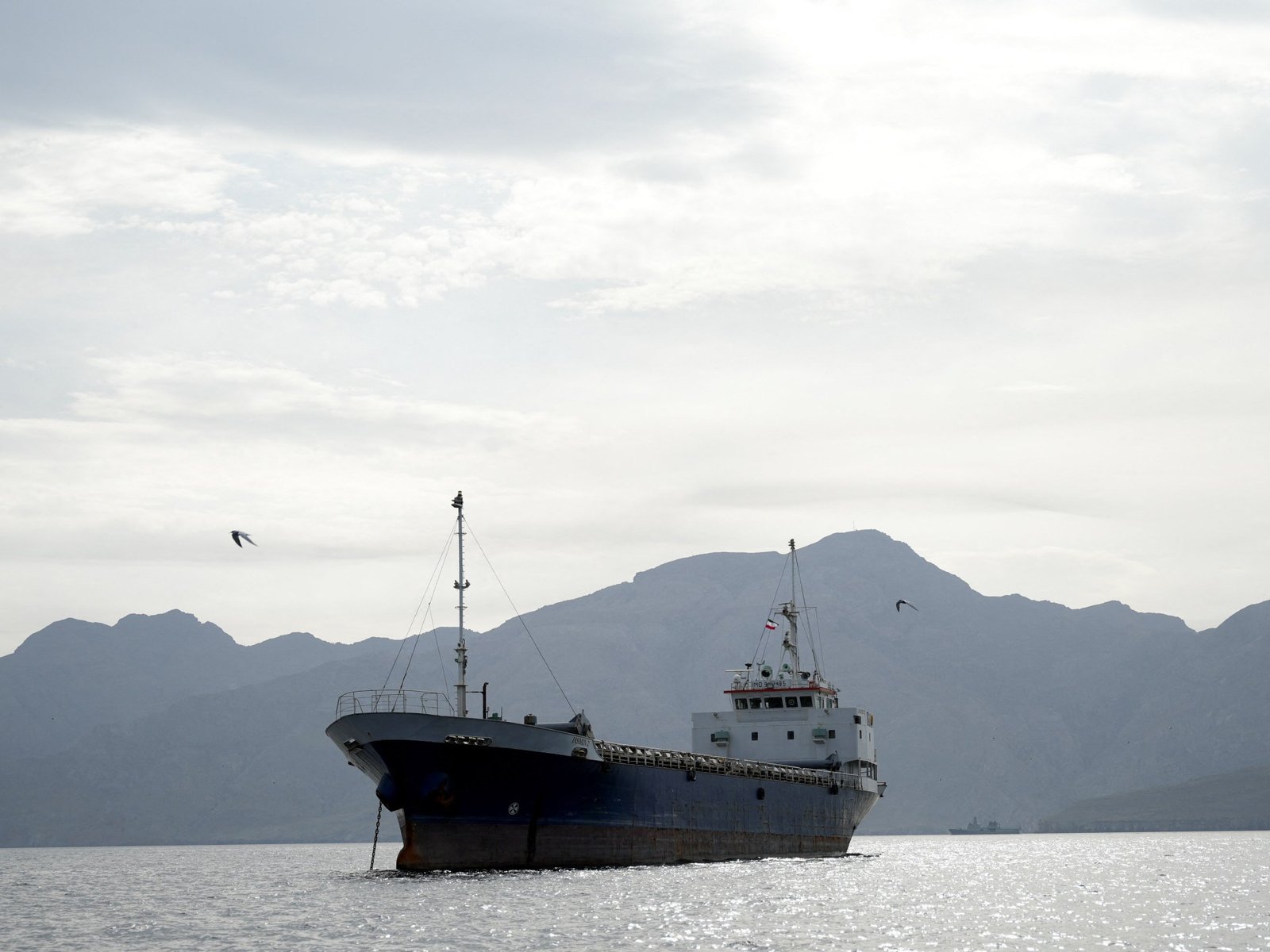
The United States’ decision to blockade all Iranian ports marks a significant escalation in its ongoing confrontation with Tehran, with profound implications for regional stability, global energy markets, and the delicate balance of power in the Middle East.
The geopolitical landscape of the Middle East has been fraught with tension, particularly between the United States and Iran. The recent announcement by US Central Command (CENTCOM) to initiate a blockade on Iranian ports comes on the heels of failed peace negotiations in Pakistan, which aimed to de-escalate tensions following a series of military confrontations. The Strait of Hormuz, a critical chokepoint for global oil shipments, has been under Iranian control since the onset of hostilities, effectively allowing Tehran to dictate terms in this vital maritime corridor. The US blockade is not merely a tactical maneuver; it represents a strategic shift in Washington’s approach to Iran, signaling a willingness to escalate military pressure in pursuit of its objectives.
The blockade, set to commence on April 13, 2026, will restrict all maritime traffic entering and exiting Iranian ports, a move that has already triggered a spike in global oil prices. The US has clarified that while it will enforce this blockade, it will not impede vessels transiting the Strait of Hormuz to and from non-Iranian ports. This distinction, however, raises questions about the feasibility and enforcement of such a blockade, especially given Iran’s historical defiance and military capabilities in the region. The Iranian government has responded with threats of severe repercussions for any approaching military vessels, indicating a readiness to confront US forces directly. This situation is further complicated by the fact that Iranian officials have accused the US of obstructing diplomatic efforts, suggesting that the blockade is as much about military strategy as it is about diplomatic failure.
The implications of the US blockade are manifold. Politically, it risks igniting a new phase of conflict in the region, as Iran may respond with asymmetric warfare tactics, targeting US interests and allies throughout the Middle East. Economically, the blockade threatens to disrupt global oil supplies, with the price of US crude oil already surging by 8 percent in anticipation of the blockade’s implementation. The potential for a prolonged conflict could lead to sustained volatility in oil markets, affecting economies worldwide. Security-wise, the blockade could embolden Iranian proxies across the region, from Hezbollah in Lebanon to Houthi rebels in Yemen, further destabilizing an already volatile landscape. The risk of a miscalculation or accidental confrontation between U.S. and Iranian forces in the crowded waters of the Strait of Hormuz cannot be overstated, raising the specter of a broader military conflict.
The US blockade represents a critical juncture in the ongoing power struggle between Washington and Tehran. It underscores a shift towards a more aggressive US posture in the region, one that seeks to leverage military might to achieve diplomatic ends. However, this strategy is fraught with risks. Iran has demonstrated a remarkable capacity for resilience and adaptation in the face of external pressures, and its leadership is likely to view the blockade as a direct challenge to its sovereignty. The potential for a protracted conflict looms large, with Iran’s willingness to engage in asymmetric warfare posing significant challenges for US military planners. Moreover, the blockade could inadvertently strengthen Iran’s resolve, rallying domestic support around the regime and solidifying its position as a regional power. The US must carefully consider the long-term consequences of its actions, as the blockade could catalyze a new era of conflict that extends far beyond the Strait of Hormuz.
Looking ahead, several scenarios could unfold as a result of the US blockade. The most immediate concern is the potential for military escalation, particularly if Iranian forces engage in provocative actions against US naval assets. Such incidents could spiral out of control, leading to open conflict. Alternatively, Iran may choose to adopt a more measured response, focusing on asymmetric tactics that target US interests without provoking a full-scale military confrontation. In either case, the blockade is likely to exacerbate existing tensions and could lead to a broader realignment of regional alliances. Countries like Saudi Arabia and the UAE may feel compelled to bolster their military readiness in response to perceived Iranian aggression, further complicating the regional security landscape. Additionally, the blockade’s impact on global oil prices could prompt international actors to intervene diplomatically, seeking to mediate a resolution before the situation deteriorates further.
The US military’s impending blockade of Iranian ports is a bold and risky maneuver that could reshape the geopolitical landscape of the Middle East. As tensions escalate, the potential for conflict looms large, with significant implications for regional stability and global energy markets. The US must navigate this complex situation with caution, recognizing that military pressure alone may not yield the desired diplomatic outcomes. The resilience of the Iranian regime and its capacity for asymmetric warfare present formidable challenges that could lead to a protracted and costly conflict. Ultimately, the success of the blockade will depend not only on military strategy but also on the ability of the US to engage in meaningful diplomacy that addresses the underlying issues at play.
About the Author