Yemen’s Higher Education Minister and French Ambassador Discuss Academic Cooperation
 Yemen Herald News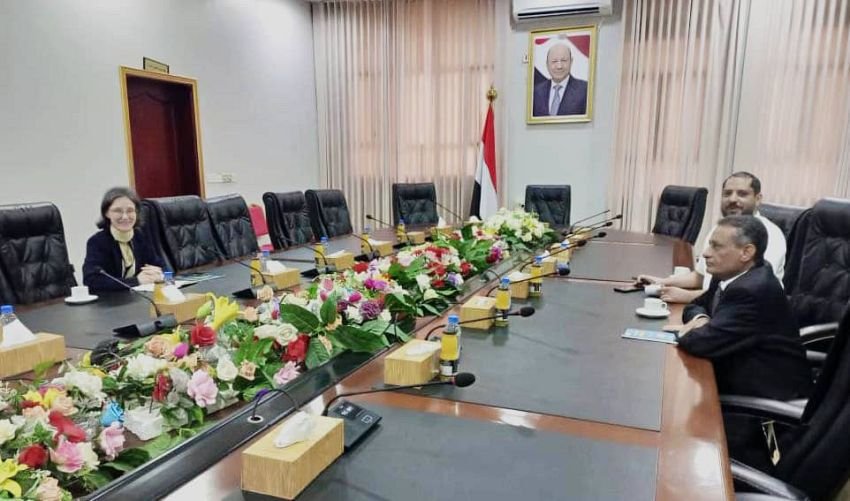
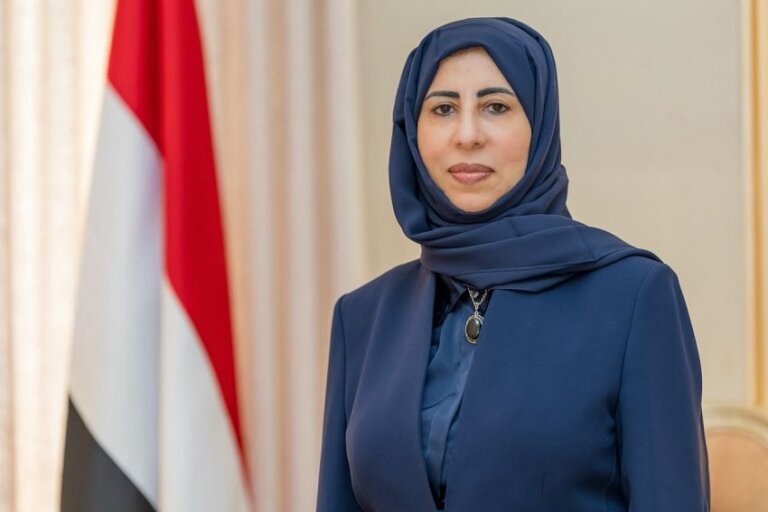
Yemen’s Higher Education Minister and the French ambassador have discussed academic cooperation, in talks that highlighted the importance of education to the country’s recovery from years of conflict. The discussions explored how cooperation might support Yemen’s universities and research institutions, at a time when the sector faces profound challenges.
Yemen has been embroiled in conflict since 2015, a war that has produced a humanitarian crisis and severely affected the country’s educational infrastructure. The conflict has decimated the economy and impacted universities and research institutions, leaving a generation of students facing significant challenges and lending urgency to international cooperation in education.
The higher education sector has suffered considerably during the conflict, contending with damaged facilities, constrained budgets, interrupted studies and the departure of qualified academics. These challenges have undermined the capacity of universities and research institutions, making the strengthening of the sector important to the country’s recovery.
France, with its academic tradition and its engagement in educational diplomacy, represents a notable partner for cooperation in higher education. Cooperation drawing on French expertise and experience could support the development of Yemen’s universities and research, complementing the country’s own efforts to sustain and strengthen the sector.
Educational diplomacy, reflected in the discussions, encompasses the use of cooperation in education to build relationships and to support development. Beyond its direct benefits to universities and students, such cooperation can strengthen ties between countries and contribute to the broader engagement between Yemen and its partners.
The impact of the conflict on students has been severe, with a generation facing disrupted studies and diminished opportunities. Supporting higher education is important to safeguarding the prospects of these students and to preparing the skilled graduates on whom the country’s recovery and development will depend.
Universities and research institutions play a central role in a country’s development, producing skilled graduates, advancing knowledge and supporting innovation. Strengthening these institutions in Yemen is important to the country’s long-term prospects, and cooperation with partners such as France could contribute to this effort.
The collapse of educational infrastructure during the conflict underscores the challenges facing the sector. Rebuilding and strengthening universities and research institutions requires attention to facilities, personnel, resources and systems, and cooperation with international partners can help mobilise the support required for this undertaking.
France’s academic tradition offers potential relevance to efforts to develop Yemen’s higher education. Cooperation could encompass a range of areas, from the exchange of scholars and students to joint research and the sharing of expertise, drawing on French experience to support the strengthening of Yemen’s academic institutions.
The departure of qualified academics, a consequence of the conflict, has been among the challenges facing the sector. Brain drain has depleted the expertise available to universities and research institutions, and retaining and rebuilding academic capacity is important to the recovery of the sector and to the education of students.
The role of higher education in economic recovery, reflected in the significance attached to the cooperation, underscores its importance to the country’s future. A skilled and educated population is essential to development, and strengthening higher education is central to preparing the graduates and building the capacities on which recovery depends.
The Ministry of Higher Education plays a central role in efforts to sustain and strengthen the sector, overseeing universities and research institutions. Its engagement with France reflects the collaborative effort required to address the challenges facing higher education, drawing on both national leadership and international cooperation and support.
The post-conflict context, referenced in relation to the cooperation, points to the longer-term importance of education to Yemen’s recovery. As the country looks toward eventual reconstruction, the strengthening of higher education and the education of a skilled generation will be important to its prospects, lending significance to cooperation in this area.
Realising the cooperation discussed will depend on resources, security and the trajectory of the conflict. The development of higher education is a long-term undertaking, and its benefits accrue gradually, through the education of successive cohorts of students and the strengthening of institutions, requiring sustained commitment and favourable conditions.
The strengthening of higher education is bound up with the broader recovery of Yemen. Universities and research institutions contribute to the intellectual, social and economic fabric of a country, and their revival is important to the country’s renewal, making cooperation in support of the sector a meaningful element of the broader effort.
Among the most tangible forms such cooperation can take is the provision of scholarships and exchanges that allow Yemeni students and researchers to study abroad and return with skills their country urgently needs. Such programmes carry a familiar risk: they build a cadre of trained professionals only if those who leave are drawn back by opportunities at home rather than lost to the wider diaspora. The preservation of research capacity is a related concern, since universities hold expertise on questions of direct relevance to Yemen, from water and agriculture to public health, and partnerships that help sustain that capacity are valued for keeping it alive through a period in which it might otherwise wither.
For now, the discussions between the Higher Education Minister and the French ambassador reaffirmed the importance of academic cooperation to Yemen’s recovery and to the ties between the two countries. As Yemen works to strengthen its universities and research amid the challenges of the conflict, cooperation of this kind represents a valuable element of efforts to support the sector and its students.
About the Author