Yemen’s Leadership Council Approves Matrix of Institutional Reforms
 Yemen Herald News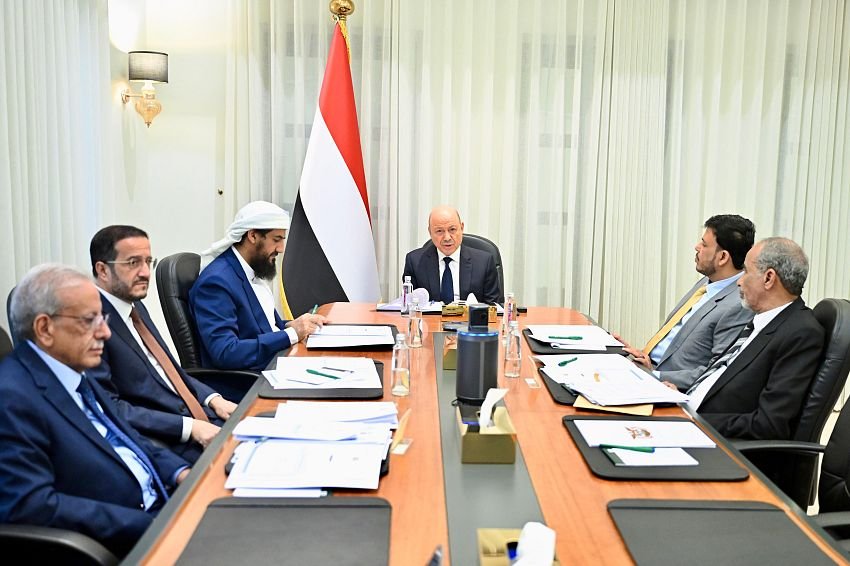
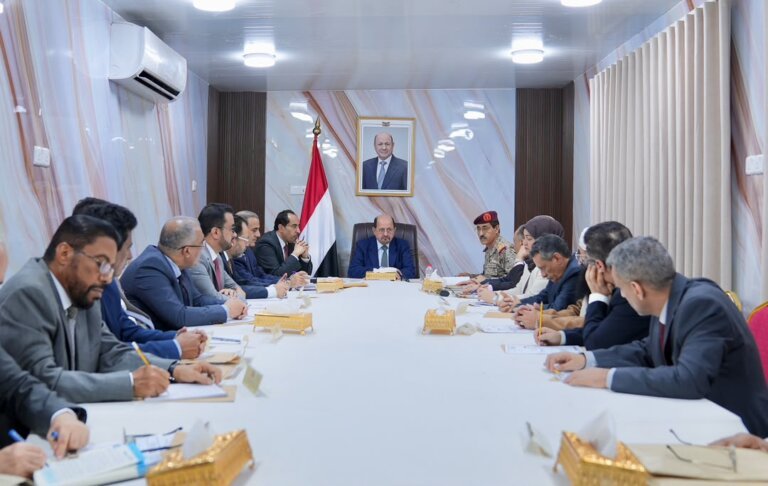
Yemen’s Presidential Leadership Council has approved a time-lined matrix of institutional and security reforms, in a step presented as significant for the country’s efforts toward stability. The initiative, which aims to unify military and security decision-making and to strengthen state institutions, was endorsed at a meeting chaired by the Council’s Chairman, Dr. Rashad al-Alimi.
Yemen has been embroiled in conflict since 2014, a war that has produced a humanitarian crisis of immense proportions. The Presidential Leadership Council, formed in April 2022, represents a coalition of factions seeking to restore governance and stability, and the approval of a matrix of reforms reflects an effort to advance this objective through structured measures.
The meeting underscored the urgency of reforming state institutions and enhancing security measures amid the challenges facing the country. Strengthening institutions and improving the coordination of security forces are regarded as central to the government’s capacity to function and to maintain order in a fragmented environment.
The unification of military and security decision-making, a central aim of the reforms, addresses a persistent challenge facing the government. With authority dispersed among various forces, achieving coherence in command and coordination has been difficult, and unifying decision-making is seen as essential to the effectiveness of the security apparatus.
The adoption of a time-lined matrix reflects an approach to reform grounded in structured planning. Establishing a framework with defined measures and timelines can help guide the reform process, coordinate efforts and provide a basis for measuring progress, lending structure to an undertaking that is both complex and consequential.
The Presidential Leadership Council’s role in unifying the anti-Houthi factions and strengthening governance is central to the government’s efforts. The approval of the reform matrix reflects the Council’s engagement in advancing its objectives, and the involvement of its chairman underscores the priority attached to the reforms.
The strengthening of state institutions, a focus of the reforms, addresses a fundamental challenge facing Yemen. Years of conflict have weakened the institutions of the state, and rebuilding their capacity is a prerequisite for effective governance and for the delivery of services, making institutional reform central to the country’s recovery.
The enhancement of security measures reflects the importance of security to stability. Effective security forces are essential to maintaining order and countering threats, and efforts to improve their coordination and capacity are central to the government’s ability to provide security across the areas under its authority.
The context of the reforms includes concerns, expressed by the government and its allies, about threats from Iran and about security in the Red Sea and the Gulf of Aden. These concerns, which are contested, form part of the framing of the reforms, situating them within a broader account of the regional dimensions of the conflict.
The security of the Red Sea and the Gulf of Aden has been a growing concern, given the importance of these waters to global trade and the threats to shipping that have arisen. The enhancement of security measures is bound up with these concerns, reflecting the significance of maritime security to Yemen and to the wider region.
The fragmented environment in which the government operates poses significant challenges to the reforms. With authority dispersed and multiple forces operating, achieving the unification of decision-making and the strengthening of institutions is difficult, and overcoming this fragmentation is among the central tasks of the reform effort.
The reforms form part of the government’s broader agenda of strengthening the state and advancing stability. Addressing the challenges facing institutions and security is central to the government’s objectives, and the approval of the matrix reflects its recognition of the need for structured measures to advance these goals.
The involvement of the Presidential Leadership Council in approving the reforms reflects the collective leadership of the government. The endorsement of the matrix by the Council lends weight to the reforms and reflects a coordinated approach to advancing them, underscoring their significance to the government’s agenda.
Realising the reforms will depend on their implementation and on the evolving situation in the country. Reform of institutions and the unification of security decision-making are demanding undertakings, and their success will depend on sustained commitment, resources and the ability to navigate the challenges of the fragmented environment.
The strengthening of institutions and security is bound up with the broader prospects for stability and recovery in Yemen. Effective institutions and coherent security forces are foundational to the functioning of the state and to stability, making the reforms important to the country’s efforts to advance toward a more stable future.
The question of unifying Yemen’s armed and security forces has long been among the thorniest facing the government, precisely because the very coalition that sustains it is composed of factions with their own commands, patrons and agendas. Bringing those disparate forces under a single, coherent chain of command touches on sensitive questions of power and loyalty, and previous efforts in this direction have often faltered where they collided with entrenched interests. The adoption of a matrix with defined timelines was framed as an attempt to impose discipline and accountability on a process that has tended to drift, though observers cautioned that its success would be measured less by the document itself than by the willingness of the various actors to cede a measure of autonomy in the service of a unified state.
For now, the approval of the reform matrix reflected the government’s determination to strengthen its institutions and to unify military and security decision-making. As Yemen navigates its conflict and its efforts at recovery, the implementation of such reforms will be important to its capacity to govern, to provide security and to advance toward stability.
About the Author