Pep Guardiola Reflects on Manchester City Exit from the Perspective of Rival Fans
 Yemen Herald News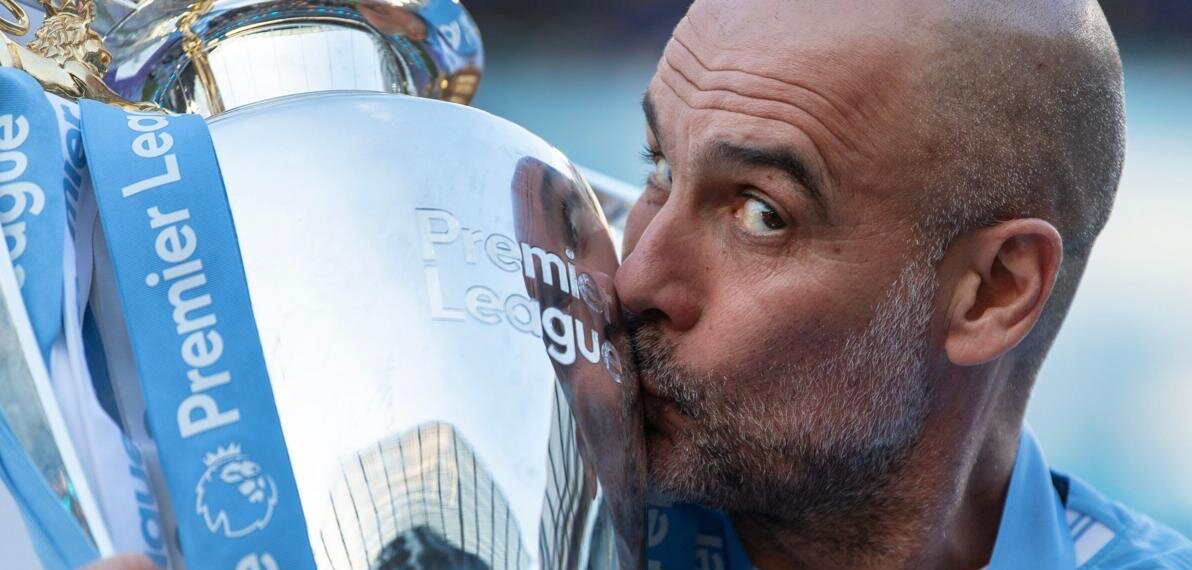
In a season marked by intense competition and high stakes, the departure of Pep Guardiola from Manchester City has prompted a wave of reflection among fans and analysts alike. After a successful tenure that saw City dominate English football, Guardiola’s exit leaves a significant void in the Premier League landscape. This change comes on the heels of Liverpool’s struggles, as the club has experienced a noticeable decline in performance compared to its previous seasons. With Arsenal clinching the Premier League title this year with a relatively modest 85 points, the dynamics of the league are shifting.
As Liverpool fans reminisce about the fierce rivalry between Klopp’s Liverpool and Guardiola’s City, there is a sense of nostalgia for the era defined by their tactical battles and record-setting performances. The narrative surrounding Guardiola’s exit is not just about a managerial change; it is a reflection of an entire chapter in English football that is coming to a close.
Rivalry Reflection
One of the pivotal moments in this transition was Jurgen Klopp’s departure from Liverpool in 2024, which set the stage for Guardiola’s own exit from City. The rivalry that defined the Premier League for several years was characterized by a relentless push for superiority, with both managers raising the bar for each other. Their confrontations often featured breathtaking football, tactical ingenuity, and dramatic match outcomes, leaving fans at the edge of their seats.
Guardiola’s last season was not without its challenges, as he faced increasing pressure to maintain the high standards set during his tenure. City’s ability to consistently achieve 90-plus points became a hallmark of Guardiola’s management. However, this season saw a different narrative unfold, with Arsenal emerging as champions, underscoring a potential shift in the balance of power within the league. Fans will remember key matches that encapsulated the essence of Guardiola’s philosophy, including last-minute victories and stunning comebacks, which became the hallmark of his managerial prowess.
Challenges Faced
Throughout Guardiola’s era, he has been credited with developing a squad that not only understood but thrived under his tactical philosophies. Players like Kevin De Bruyne and Erling Haaland became household names, known for their individual brilliance and crucial contributions to City’s success. De Bruyne, often seen as the engine of the team, consistently delivered exceptional performances and pivotal assists, while Haaland’s goal-scoring prowess made him a formidable force in the league.
On the other side, Liverpool’s decline this season raises questions about their player performances and tactical adjustments. While they possess a talented roster, including Mohamed Salah and Virgil van Dijk, inconsistencies plagued their campaign. The absence of Klopp’s tactical acumen and motivational skills has been felt, as the team struggled to maintain the high-octane football that once characterized their playstyle. The contrast between Guardiola’s City and Liverpool highlights the impact of managerial changes on team dynamics and overall performance.
Liverpool's Decline
Guardiola’s tenure at Manchester City was marked by remarkable statistics that speak volumes about his impact on the Premier League. Under his management, City secured multiple league titles and consistently finished the season with exceptional points tallies. The club’s ability to achieve high possession statistics and play a fluid style of football became the standard for success in the league.
This season, however, saw a notable dip in overall points across the league, with Arsenal winning the title with just 85 points—a significant reduction compared to the 90-plus points often required to claim the championship in previous years. This shift indicates a potential leveling of the playing field, allowing for more teams to compete at the top. The decline in Liverpool’s performance further illustrates the changing landscape, as they struggled to replicate their previous successes.
The departure of Guardiola carries significant implications for the Premier League, as it signals a potential shift in the competitive landscape. With Liverpool having fallen away this season, the absence of Guardiola could mean that the barriers to entry for title contention may be lowered. Fans and analysts alike are left to ponder how this will affect rivalries and the overall competitiveness of the league moving forward.
Implications of Departure
For Liverpool supporters, there is a sense of reassurance that a return to the top is feasible with their current squad. The talented players at their disposal have the capability to bounce back, especially with a new managerial strategy. However, the memory of the high standards set during the Klopp-Guardiola era will linger, creating a benchmark that future managers will strive to reach.
As the Premier League prepares for the next season, all eyes will be on the managerial changes across the league. The search for Guardiola’s successor at Manchester City will be closely monitored, as the club aims to maintain its competitive edge. Similarly, Liverpool will be looking to rebuild and reassess their strategies to return to the upper echelons of the league.
Future Outlook
Upcoming fixtures will be crucial for both clubs as they navigate a new era in English football. Fans will be eager to see how the teams adapt to the changing dynamics and whether they can recapture their past glories. The excitement surrounding the league remains palpable, with new storylines and rivalries emerging as clubs vie for supremacy in a post-Guardiola landscape. As the dust settles on this transitional period, the anticipation for what lies ahead continues to grow.
About the Author