UN official warns of risk to lives of 64,000 refugees in Yemen
 Yemen Herald News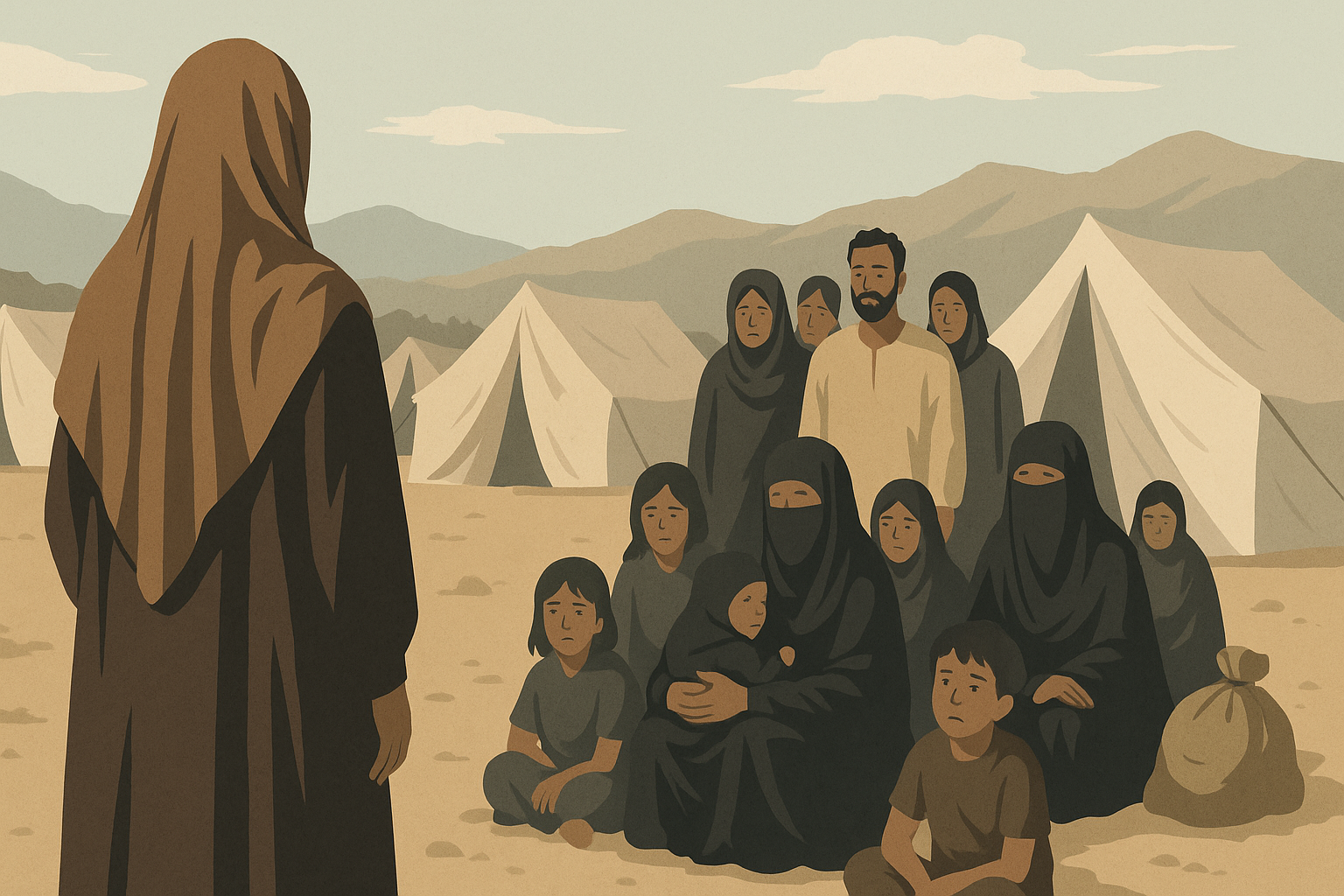
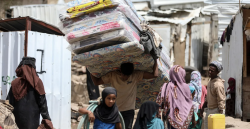
As of the latest reports, Yemen is hosting over 64,000 refugees who are facing increasingly perilous conditions. Most of these individuals have fled from the Horn of Africa, escaping dire circumstances characterized by violence and extreme poverty, only to encounter additional hardships in Yemen. Humanitarian organizations have continuously flagged the dire circumstances these refugees face, including threats to their safety due to insufficient food, medical care, and protection.
Refugee Conditions
The situation for these refugees is dire, with many lacking access to basic necessities such as adequate shelter and nutrition. The ongoing hostilities in Yemen mean that they cannot rely on local healthcare systems, which are collapsing under the weight of conflict. According to various humanitarian assessments, the refugee community is at risk of severe malnutrition and is unprotected in the face of increasing violence.
The broader humanitarian crisis in Yemen is staggering, with over 18 million people in need of assistance due to the compounded effects of conflict and economic decline. Amidst this turmoil, more than 4.5 million individuals in Yemen have been displaced from their homes. These figures underscore the urgency of the situation, as the humanitarian community warns that immediate action is necessary to prevent further suffering among the most vulnerable populations.
Widespread Displacement
The complexities of the Yemeni crisis involve a myriad of stakeholders, each with its own objectives and interests. The Houthi movement remains a dominant force seeking to maintain control over northern Yemen, while the internationally recognized government, backed by the Saudi-led coalition, strives to reassert its authority. Both factions have significant implications for civilians, including refugees and internally displaced persons who find themselves trapped in the crossfire.
The United Nations and various non-governmental organizations are critical players in addressing the humanitarian needs. These agencies are advocating for increased support to manage the escalating crisis and are providing essential assistance to affected populations. They emphasize the importance of immediate and comprehensive humanitarian interventions, warning that failure to act could lead to catastrophic outcomes. The UN’s involvement also highlights the broader international interest in stabilizing Yemen, given its strategic location near the Red Sea and the Bab al-Mandab strait.
Role of NGOs
Regional dynamics also influence the situation in Yemen. Countries such as Iran support the Houthis, viewing their presence as a means to extend their influence in the region. Conversely, Saudi Arabia and its coalition partners have framed their military engagement as necessary to counter Iranian expansionism and maintain stability near vital maritime routes. This geopolitical competition adds another layer of complexity to the already tragic humanitarian predicament facing Yemen’s refugee population.
The ongoing crisis in Yemen has significant implications not only for the local population but also for the broader region. As Yemen serves as a focal point for geopolitical struggles, its humanitarian emergencies resonate beyond its borders. The potential for instability to spill over into neighboring countries is a pressing concern for regional governments and international observers alike.
Geopolitical Implications
The Yemeni conflict has a direct impact on international shipping routes, particularly through the Red Sea and the strategically vital Bab al-Mandab strait. Any escalation in hostilities threatens maritime security and the flow of trade, impacting global economies. The Yemeni conflict has indeed become a battleground for proxy warfare, complicating the efforts of the international community to mediate peace and provide humanitarian assistance.
Additionally, the humanitarian crisis exacerbates existing tensions in the region by contributing to increased migration flows. As conditions worsen in Yemen, there is a heightened risk that refugees may attempt to seek safer havens in nearby countries, straining limited resources in host nations such as Djibouti and Somalia. The international community must consider these ramifications as it formulates responses to the Yemeni crisis, emphasizing the urgency of addressing both immediate humanitarian needs and underlying political issues.
The plight of refugees in Yemen illustrates the catastrophic consequences of prolonged conflict and ineffective governance. Despite significant international attention and interventions, the humanitarian situation remains dire, with the refugee population caught in a cycle of poverty and violence. The failure to adequately address their needs reveals systemic flaws in how humanitarian aid is delivered and the challenges of working within a conflict zone.
During a prolonged conflict, safeguarding the rights and needs of refugees often takes a back seat to military and political considerations. This neglect perpetuates the cycle of vulnerability and dependence on limited humanitarian resources. The dire conditions faced by refugees also illuminate the broader societal decay within Yemen, where the combination of lawlessness, economic collapse, and infrastructural devastation leaves all citizens struggling to survive.
Moving forward, the international community needs to adopt a holistic approach that seeks not only to alleviate immediate suffering but also to address the root causes of the Yemeni crisis. Sustained pressure on conflicting parties to cease hostilities, coupled with a significant increase in humanitarian support, is mandatory. Only by reevaluating strategies and implementing coordinated efforts can the plight of refugees and all of Yemen’s civilians be meaningfully addressed.
The coming months will be critical in determining the future of refugees and internally displaced persons in Yemen. Without immediate and decisive action from the international community, the risk of escalating humanitarian disaster looms large. Increasingly dire predictions about food shortages and declining health conditions call for urgent interventions that must be prioritized above all else.
Organizations engaged in humanitarian efforts must adapt their strategies to overcome the challenges posed by ongoing conflict and instability. Especially necessary will be the implementation of programs aimed at providing refugees access to essential services while ensuring their protection amidst increasing violence. Continuous dialogue with local authorities and communities is essential in fostering conditions that enable effective assistance.
Moreover, the resolution of the conflict itself remains paramount. Diplomacy must be reinvigorated as international stakeholders explore avenues for negotiation and peace initiatives. Without a political resolution, the situation is likely to worsen, putting more lives at risk and hampering efforts to provide humanitarian aid.
In summary, the struggle for Yemen’s refugees is emblematic of a larger humanitarian disaster. With the pressing need for international support and community resilience, the path forward remains fraught with challenges. Nonetheless, addressing these issues head-on can steer Yemen toward a future where peace and stability are possible, ultimately improving the welfare of all its inhabitants.
About the Author