
Southern Transitional Council’s autonomy drive increases tensions in Abyan Governorate
 Yemen Herald News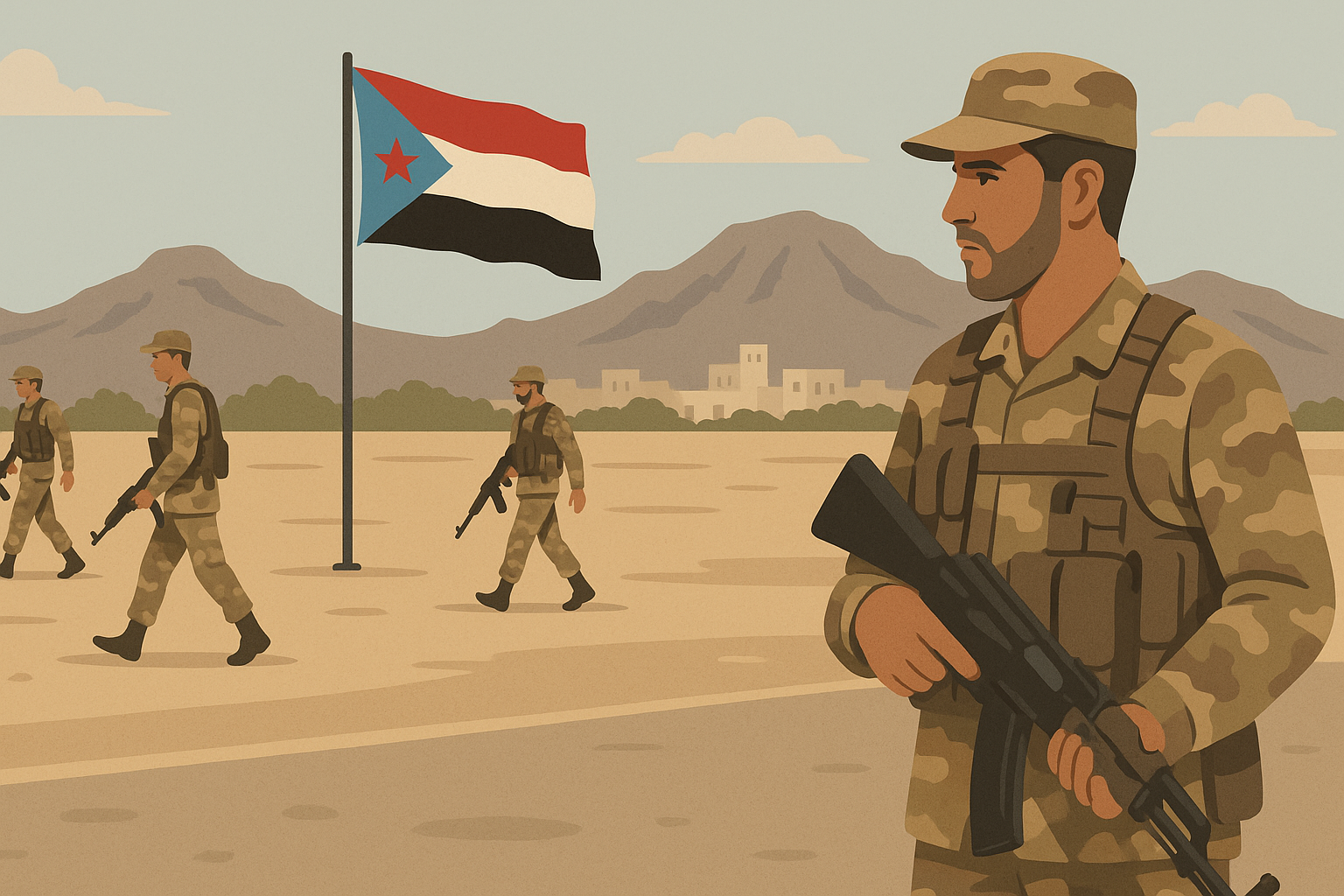
Yemen has faced a devastating civil war since 2015, resulting in a complex humanitarian crisis and a struggle for power among various factions. The conflict began when the Iran-aligned Houthis seized the capital, Sanaa, prompting a Saudi-led coalition to intervene on behalf of the internationally recognized Yemeni government. Over the years, the war has escalated, drawing in regional players, deepening divisions, and causing widespread suffering among the Yemeni population.
The Southern Transitional Council (STC), established in 2017, emerged as a significant actor in the southern parts of Yemen, advocating for regional autonomy and self-governance. The council represents a coalition of separatist movements that have long sought independence from the north. Their relationship with the Yemeni government is complex, as they sometimes cooperate and other times clash with the official authorities over control and governance in southern Yemen.
Role of the STC
Abyan governorate, where a recent assassination has left a significant impact, has been a focal point of security challenges. This area has seen heightened activity from Al-Qaeda, which has been responsible for multiple violent incidents, particularly targeting officials affiliated with the STC and security apparatus. The unstable environment in Abyan has made it a breeding ground for extremist groups, complicating efforts to restore stability and security in the region.
Amid this turmoil, the humanitarian situation has continued to deteriorate. With over 18 million people dependent on aid and millions displaced, the conflict not only exacerbates existing vulnerabilities but also poses significant challenges for any political resolution. Efforts to address food insecurity, health crises, and basic needs are often hampered by ongoing violence and instability, leaving many Yemenis in desperate situations.
The recent assassination of Hussein Abdurabbu Dakha Al-Maysari has underscored the severity of the security crisis in southern Yemen. Al-Maysari, an influential local leader within the STC and head of the executive authority in Modiyah district, succumbed to severe injuries sustained in a targeted attack attributed to Al-Qaeda militants. This marks another chapter in the ongoing violence plaguing officials associated with the STC, particularly those noted for their efforts against terrorism.
Impact of Assassination
Al-Maysari was attacked on April 3, when gunmen, believed to be affiliated with Al-Qaeda, opened fire on him while he was on a motorcycle. The assault left him critically injured, and he was subsequently transported to a hospital in Aden, where he remained in intensive care for nearly two weeks before he passed away. The STC condemned the attack as a “treacherous assassination operation,” highlighting the increasing risks faced by those in leadership roles as they contend with extremist threats.
In response to Al-Maysari’s death, STC President Aidarous Al-Zubaidi expressed deep condolences, commemorating Al-Maysari’s dedication and sacrifices for the council. Al-Zubaidi reinforced the commitment of the STC to combat terrorism relentlessly and to bolster security and stability in the southern regions of Yemen. The ongoing violence not only impacts specific leaders but also has broader implications for the stability of the entire region.
This incident is part of a broader trend of targeted violence that aims to undermine the STC’s influence in Abyan. Al-Qaeda has escalated its campaigns against individuals associated with the council, threatening both the safety of its leaders and the efforts to establish effective governance and security in areas under its control. The assassination serves as a stark reminder of the challenges facing governance and security in Yemen’s conflict-ridden landscape, illustrating the lethal consequences of the ongoing struggle against extremist factions.
Several key players are involved in the ongoing conflict in Yemen, each with distinct interests and agendas that complicate the landscape. The STC is a primary stakeholder, advocating for the autonomy of southern Yemen and striving to maintain its influence amidst growing threats from Al-Qaeda and other extremist groups. Established with support from the United Arab Emirates, the STC seeks to secure its foothold in the region, but it faces internal divisions and opposition from other factions.
Key Players in Conflict
On the opposing side, Al-Qaeda in the Arabian Peninsula (AQAP) remains a formidable rival. The group seeks to destabilize governmental authority and expand its influence in southern Yemen, directly targeting STC officials as part of its campaign against perceived enemies. Their tactics, which include violent attacks and targeted assassinations, aim to instill fear among pro-government forces and disrupt efforts toward governance and stability. This ongoing feud between the STC and AQAP creates a volatile environment, making it increasingly difficult to achieve peace.
The Yemeni government, represented by the Presidential Leadership Council, has a vested interest in restoring stability across the country. However, its authority appears challenged in southern regions where the STC operates. The uneasy relationship between the turf-focused STC and the central government complicates coordinated efforts to combat terrorism and secure territory from extremist factions. While they may share a common goal of eradicating AQAP, internal conflicts can hinder collaborative efforts.
International actors, including the Saudi-led coalition, continue to play a significant role in the conflict. The coalition’s primary focus remains on countering Houthi advances but also entails addressing the threats posed by extremist groups in both northern and southern Yemen. U.S. interests in the region include counterterrorism efforts aimed at diminishing the capabilities of AQAP and mitigating regional instability that could impact global security.
The assassination of Hussein Al-Maysari reverberates beyond the immediate consequences for the STC and its efforts in southern Yemen. The act of violence reflects the ongoing struggle against terrorism in a region marked by geopolitical tensions and instability. Abyan’s challenges present a microcosm of the larger dynamics at play in Yemen, with implications for broader regional security and counterterrorism efforts.
Broader Implications
The rise of extremist groups like Al-Qaeda has significant ramifications for the South Arabian Peninsula, particularly as these factions exploit the power vacuums created by civil strife. Their actions can attract international attention, necessitating responses from external powers concerned about rising terrorism and its potential to affect maritime trade routes, such as those around the Bab al-Mandab Strait. Ensuring navigation security through this vital passageway is crucial for global trade, linking Europe, Asia, and beyond.
Furthermore, the ongoing conflict poses a challenge to regional alliances. While the STC garners support from the UAE, the competing interests between different factions can lead to rifts in coalitions. Saudi Arabia’s backing of the internationally recognized government adds to the complexity of the situation, as their aims may diverge significantly from those of the STC. The situation necessitates a delicate balance that can be severely disrupted by incidents such as Al-Maysari’s assassination.
Incorporating diplomatic channels to combat terrorism in Yemen might be critical for regional actors. Collaborative efforts that engage local stakeholders, international allies, and regional players could be essential for stabilizing southern Yemen. As authorities strive to restore order and governance, understanding the motivations and strategies of various factions will be crucial for any successful intervention or resolution.
The murder of Hussein Al-Maysari highlights a deeply troubling trend in Yemen, indicating that violence against political leaders can have significant repercussions on attempts to stabilize the region. The STC’s position continues to be precarious as it finds itself consistently targeted by Al-Qaeda while also battling internal divisions and responses to its governance model. The organization’s ability to unify its ranks in the face of ongoing threats will critically affect its capability to maintain control and pursue its objectives.
Moreover, Al-Maysari’s assassination serves as a stark reminder of the violent methods employed by extremist groups when attempting to dismantle authority. The continued targeting of STC members and officials showcases Al-Qaeda’s ongoing strategy of intimidation, seeking to undermine the council’s legitimacy and governance efforts in Abyan governorate. The sustained violence can weaken local governance structures and disrupt attempts to deliver essential services to the population, further exacerbating the humanitarian crisis.
Focusing on security strategies that genuinely address the roots of radicalization will be critical for stakeholders in Yemen. This includes not only military approaches but also engagement with local communities to foster resilience against extremist ideologies. Efforts to promote human rights and socio-economic development alongside security initiatives may help mitigate the appeal of groups like Al-Qaeda, as communities see tangible benefits from government involvement.
International involvement also warrants critical examination. As foreign powers engage in Yemen, their strategies must account for the nuances of local dynamics. Merely targeting extremist elements without addressing underlying grievances could result in long-term instability. A harmonized international response that prioritizes diplomacy, development, and counterterrorism is essential for any sustainable solution in the conflict-ridden landscape of Yemen.
Looking ahead, the assassination of Al-Maysari is likely to trigger a series of responses from the STC and necessitate heightened security measures for its officials. The council is expected to increase its efforts to combat Al-Qaeda, perhaps by intensifying military actions against extremist positions in Abyan and surrounding areas. However, these actions must be carefully calibrated to avoid civilian casualties and further disenfranchisement of the local population.
Future Responses Expected
Moreover, the STC will likely use Al-Maysari’s death as a rallying point to galvanize support and unify its ranks against a common enemy. The ensuing rhetoric surrounding the need to combat terrorism and protect southern interests may serve to strengthen the council’s resolve amidst the ongoing instability. However, this could also result in a hardening of its stance against the Yemeni government and any perceived collaboration that does not align with its goals.
Simultaneously, Al-Qaeda will likely capitalize on the unrest to reinforce its operations in the region. The group may leverage the resultant chaos to recruit, expand its influence, and execute further attacks against STC figures. Vigilance among security forces will be paramount if they aim to disrupt such plans and prevent the further deterioration of security in southern Yemen.
In summary, Hussein Al-Maysari’s assassination presents a pivotal moment in Yemen’s ongoing struggle against terrorism and governance challenges. The long-term impact will depend significantly on the responses of the STC, the Yemeni government, and their international partners as they navigate this complex environment.
Additionally, international actors must remain engaged, providing support to local authorities and communities while addressing the root causes of violence. Humanitarian aid will also be crucial in alleviating the pressing needs of the population, as enhancing stability through essential services can help undermine the appeal of extremist ideologies. A comprehensive approach that integrates security, governance, and development will remain vital as Yemen grapples with its challenging landscape of conflict and instability.
About the Author




