Marib Deputy Governor Highlights Importance of World Food Programme
 Yemen Herald News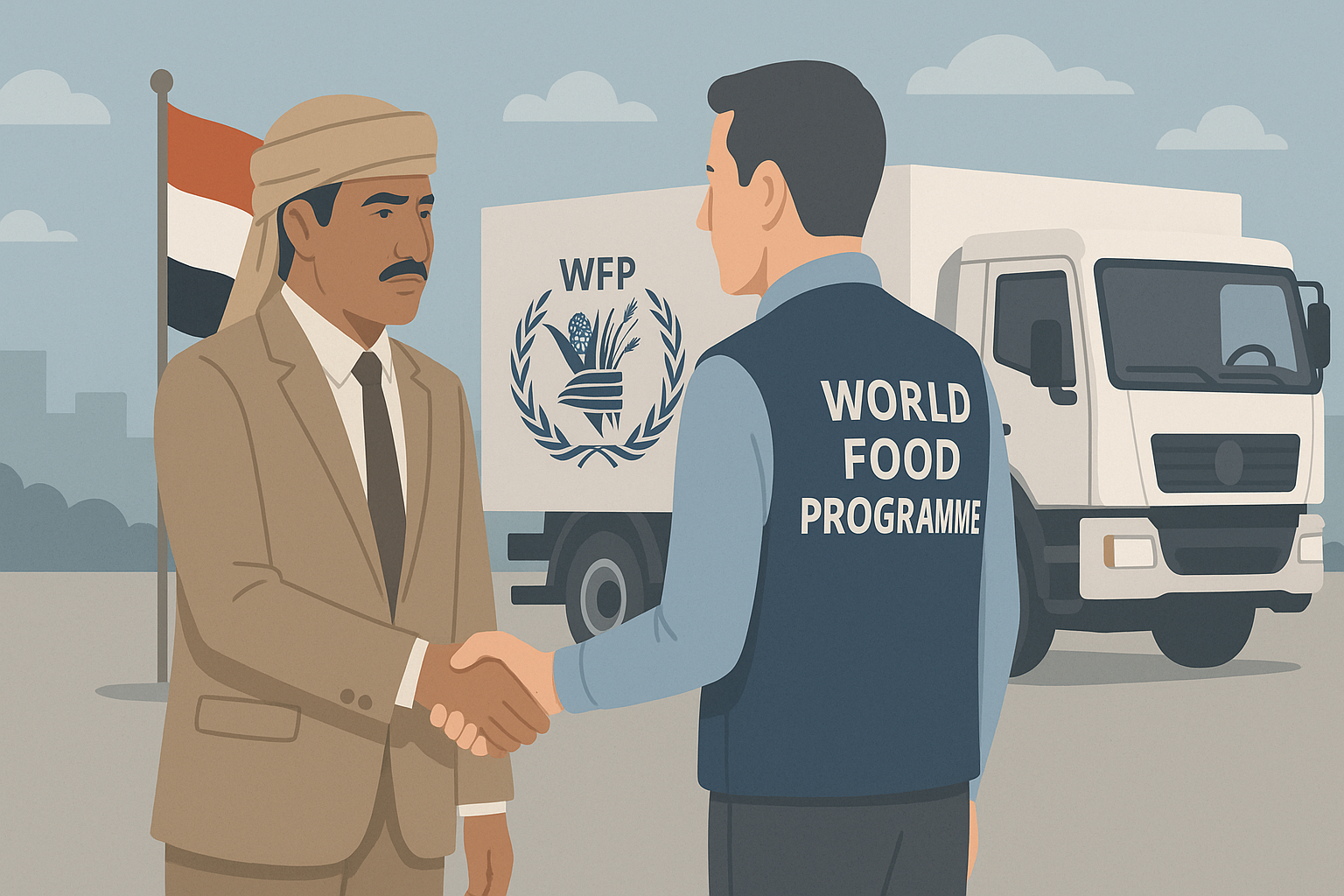
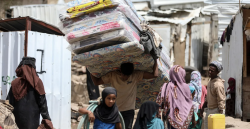
The ongoing civil war in Yemen, which ignited in 2015, has plunged the nation into one of the world’s most severe humanitarian crises. The conflict principally involves the Houthi movement, supported by Iran, and a Saudi-led coalition backing the internationally-recognized government based in Aden. The violence and instability have resulted in widespread displacement, with over 4.5 million individuals being classified as internally displaced persons (IDPs), alongside an estimated 18 million people in dire need of humanitarian assistance.
As the conflict drags on, the socio-economic conditions in Yemen have deteriorated sharply. Basic services have collapsed, with healthcare, sanitation, and food security severely compromised. In cities like Marib, which has become a refuge for many fleeing violence, the influx of displaced families places additional strain on already limited resources and public services. As conditions worsen, the challenges facing local governments and humanitarian organizations are becoming increasingly pronounced.
Deteriorating Conditions
International organizations are pivotal in delivering aid and resources to the affected populations. The United Nations and various NGOs strive to address critical needs such as food security, nutrition, and health care, but they are often constrained by funding shortages and logistical obstacles. Among these organizations, the World Food Programme (WFP) plays a crucial role, providing essential food assistance and supporting recovery initiatives in Yemen’s most vulnerable areas.
In Marib, the situation has been exacerbated by ongoing military clashes and the continuous arrival of displaced persons. These ongoing dynamics not only complicate the immediate humanitarian response but also challenge long-term recovery and development efforts. Local authorities and humanitarian agencies must collaborate and innovate to identify solutions that can alleviate the suffering of the population while addressing the multifaceted issues created by the war.
Humanitarian Response Challenges
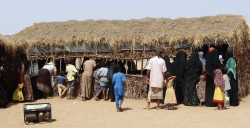
The situation in Marib has become increasingly critical as a result of the intersection of ongoing displacement and deteriorating living conditions. During a recent meeting with the Acting Head of the WFP Office in Marib, local officials underscored the urgent need for expanded humanitarian assistance. Deputy Governor of Marib, Dr. Abd-Rabu Miftah, highlighted daily influxes of displaced individuals seeking refuge in the governorate, further straining local resources and public services.
The World Food Programme is actively involved in various sectors, from emergency food assistance to nutrition programs. However, the scale of humanitarian needs is outpacing available resources, and the WFP has reported significant funding shortfalls that limit its operational capacities. This scarcity of funds hampers efforts to meet the rapidly growing demands from both the displaced population and residents facing dire circumstances.
Funding Shortfalls
Local authorities are calling for a collective approach to address the challenges posed by funding limitations and the rigorous vetting processes that have inadvertently excluded some eligible families from receiving aid. By improving the checks and balances in the aid distribution process, authorities aim to ensure that assistance reaches those who need it most. Dr. Miftah has emphasized the importance of strengthening support programs, particularly for small-scale farmers and educational initiatives to improve food security and self-sufficiency.
In addition to food assistance, the implementation of programs like “Healthy Kitchens” has been proposed as part of a school feeding initiative aimed at enhancing children’s nutrition and educational prospects. This holistic approach seeks not only to meet immediate food needs but also to foster sustainable development within the community, addressing both the symptoms and root causes of the ongoing crisis.
The humanitarian landscape in Marib is populated by a variety of stakeholders contributing to relief and recovery efforts. The World Food Programme stands as a central player, providing essential food aid, nutrition programs, and logistical support to those impacted by the conflict. The WFP collaborates with various local authorities and NGOs to maximize its reach and effectiveness. Currently, it is working to establish long-term recovery programs while still managing emergency responses for the growing number of displaced individuals.
The local government, represented by figures like Dr. Abd-Rabu Miftah, plays a critical role in facilitating these humanitarian efforts. Their unique position allows them to identify the pressing needs of communities and work directly with international organizations to tailor assistance programs accordingly. Deputy Governor Miftah has expressed a strong commitment to ensuring the success of WFP operations, indicating a willingness to provide necessary support and streamline processes to overcome bureaucratic challenges.
Non-governmental organizations and other humanitarian entities also play important roles in addressing various aspects of the crisis. These organizations often focus on specialized interventions, such as health care, psychosocial support, and education, complementing the broader food security initiatives led by the WFP. Collaboration between these entities and the WFP is essential to coordinate efforts effectively, avoid duplication, and utilize resources wisely in an environment where every resource is critical.
Role of NGOs
However, significant challenges remain in terms of funding and logistical support. Many organizations are currently undermined by a lack of financial resources, making it difficult for them to respond adequately to the scale of humanitarian needs. The call for increased local and international financial contributions has become increasingly urgent as displaced populations continue to grow and essential services remain underfunded.
The humanitarian crisis in Marib has implications that extend beyond its borders, affecting the broader regional dynamics in Yemen. The ongoing influx of IDPs into the area places pressure on surrounding regions and exacerbates existing tensions in a country already fragmented by conflict. As the governorate becomes a temporary home for countless individuals seeking safety, neighboring provinces may also experience increased demands for resources and services.
Regional Implications
Moreover, the challenges faced by the World Food Programme and other humanitarian organizations can influence the international community’s perception of Yemen’s situation. Funders may reevaluate their commitments if they perceive that aid efforts are not effectively addressing the critical needs on the ground. This could hinder future support for Yemen and ultimately affect countless individuals relying on humanitarian assistance for survival.
The worsening humanitarian conditions in Marib also have broader geopolitical ramifications. As Yemen’s civil war persists, the country’s strategic location along crucial maritime routes in the Red Sea becomes of increasing significance. The Bab al-Mandab Strait is a vital passage for maritime trade and energy supplies. Ongoing instability impacts not just local populations but also international stakeholders reliant on these shipping lanes, adding complexity to diplomatic efforts aimed at resolving the conflict.
Additionally, the interplay between local dynamics and international interests – particularly the role of regional powers like Iran and Saudi Arabia – makes the humanitarian situation in Marib a focal point of wider geopolitical narratives. The continuing conflict is driven by these external influences, further complicating the prospects for meaningful humanitarian and political solutions for all affected parties.
Assessing the overall humanitarian landscape in Marib reveals several interrelated challenges that complicate aid delivery. Despite efforts by the World Food Programme and local authorities to coordinate a comprehensive response, the escalating number of displaced individuals has created a crisis in resource management. Officials are acutely aware that without a strategic increase in funding and more robust logistical frameworks, existing efforts cannot sufficiently address the urgent needs faced by affected families.
The role of humanitarian organizations is crucial, and the need for innovative approaches has never been more pressing. Initiatives like the “Healthy Kitchens” program within school settings demonstrate how relief efforts can be integrated with longer-term developmental goals. These strategies not only aim to alleviate hunger but also promote community resilience and self-sufficiency, ultimately helping communities to recover from the protracted impacts of war.
Furthermore, reassessing eligibility criteria and outreach methods for humanitarian assistance is essential. It is critical to ensure that aid reaches the most vulnerable families currently excluded due to bureaucratic hurdles. Addressing this aspect can significantly enhance the efficiency and effectiveness of aid distribution, fostering trust and cooperation among the affected population.
Finally, sustained advocacy for increased international funding is vital. Encouraging local and multinational donors to recognize the pressing needs in Yemen can help reverse current funding gaps and allow humanitarian organizations to scale up their operations. Without additional resources, many programs remain under threat, and the risk of humanitarian failure looms larger as the situation evolves.
As the humanitarian situation in Marib continues to evolve, several steps must be taken to address the pressing needs of its most vulnerable populations. Immediate efforts will likely focus on mobilizing additional funding and resources to expand the WFP’s capacity to respond to the increasing demands for food assistance. Engaging international partners and stakeholders will be critical for securing the necessary investments to support ongoing initiatives.
In parallel with financial efforts, local authorities and humanitarian organizations must collaborate to refine their operational strategies. This includes reassessing eligibility criteria for assistance to ensure comprehensive coverage of the most at-risk families who require immediate support. Strengthening communication and outreach efforts within communities can help identify families that have previously been missed in aid verification processes.
Additionally, as the conflict persists, innovative development initiatives must be prioritized to help bolster the resilience of communities. Support for small-scale agriculture and educational programs can empower local families to regain some measure of self-sufficiency, mitigating their reliance on external aid. Expanding these initiatives will be crucial in promoting recovery and long-term sustainability amid ongoing instability.
Ultimately, the international community’s response will be critical in shaping the trajectory of humanitarian efforts in Marib and across Yemen. Advocating for increased funding commitments and ensuring coordinated action among all stakeholders will be essential in addressing the crisis effectively. While challenges remain significant, concerted efforts can lead to meaningful improvements in the lives of those affected by the continuing conflict, fostering hope for a more stable future in the region.
About the Author