The Culture Ministry discussed ways to strengthen cooperation with the Arab Tourism Organization.
 Yemen Herald News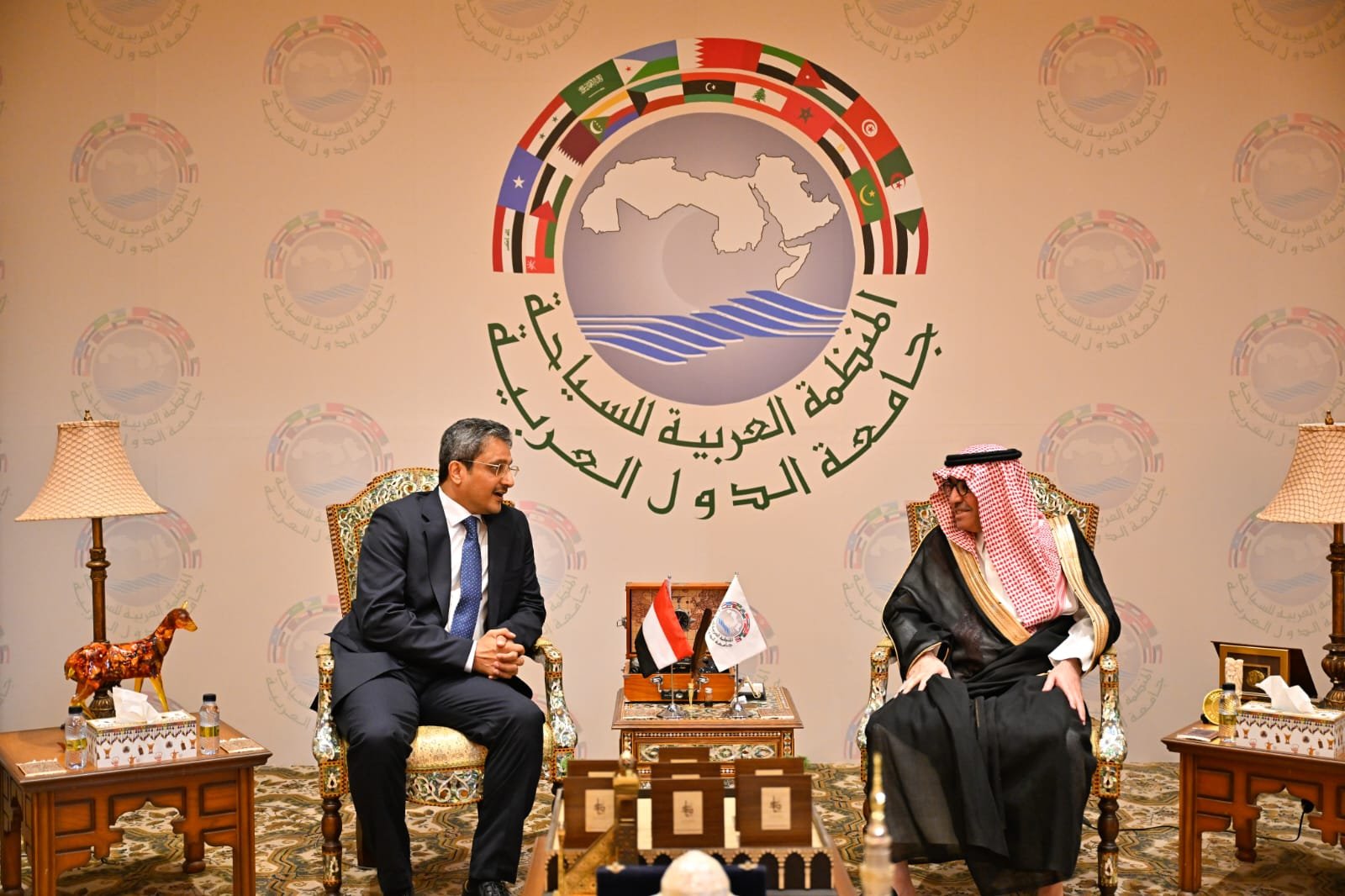
Yemen has been mired in a protracted civil war since 2015, causing severe humanitarian crises and widespread devastation across the country. The conflict arose from a power struggle between the Houthis and the internationally recognized government, supported by a coalition of Arab states, primarily led by Saudi Arabia. This relentless discord has not only led to the deterioration of governance but has also severely impacted Yemen’s tourism potential, a sector that once contributed significantly to the country’s economy and heritage.
The prolonged hostilities have displaced over 4.5 million people and left more than 18 million Yemenis in desperate need of humanitarian assistance. Contemporary challenges such as direct threats to cultural sites, infrastructure decay, and ongoing violence have resulted in the tourism industry, a vital component of Yemen’s economy, experiencing a significant decline. Before the war, Yemen hosted numerous historical landmarks, beautiful landscapes, and scenic coastlines that attracted international visitors, but military actions and travel restrictions have caused these attractions to fall into neglect.
In the midst of this turmoil, efforts to revitalize the tourism sector have surfaced as a means to generate employment and stimulate Yemen’s faltering economy. The Yemeni government, under the Presidential Leadership Council, is working to restore stability and regain control over various regions, particularly in areas like Aden and Socotra. By focusing on tourism rehabilitation, Yemen seeks to harness its rich cultural and natural resources to attract investment and encourage international collaboration in rebuilding the tourism infrastructure.
Despite the dire circumstances, there is a semblance of hope with discussions around partnerships aimed at promoting tourism activities and infrastructure development. The recent engagement between Yemen’s Minister of Culture and Tourism, Eng. Mutea Dammaj, and the President of the Arab Tourism Organization, Dr. Bandar bin Fahd al-Fahid, mark a significant step towards rebuilding what was once a thriving industry. This collaboration highlights the need for investment in tourism as a mechanism to create jobs and improve lives amidst ongoing hardships.
During a recent meeting in Jeddah, Yemen’s Minister of Culture and Tourism discussed crucial areas of cooperation with the Arab Tourism Organization. Eng. Mutea Dammaj met with Dr. Bandar bin Fahd al-Fahid to explore various strategies to fortify and upgrade Yemen’s tourism sector. This meeting comes at a critical time as the country seeks to recover from the extensive damage inflicted by years of conflict.
Key topics of discussion included leveraging the expertise of the Arab Tourism Organization to enhance tourism infrastructure, specifically focusing on training and qualifying local personnel. The goal is to not only improve service quality but also to modernize tourism offerings within Yemen. The emphasis was placed on adopting technological advancements in providing tourism services, thereby aligning with global trends and expectations in the industry.
Minister Dammaj underscored the urgency of rehabilitating tourism facilities, particularly in Aden, Socotra Island, and other areas that have witnessed economic upheaval due to the conflict. By revitalizing these regions, the government aims not only to restore tourism activities but also to attract foreign investment, which is critically needed to foster economic recovery. The discourse also highlighted the pivotal role of tourism in generating employment opportunities, especially for the youth, who represent a significant demographic in Yemen.
The support from the Arab Tourism Organization, as expressed by Dr. Bandar al-Fahid, promises to be invaluable in this effort. The organization has shown readiness to collaborate with the Yemeni government and invest in modernizing tourism assets. This partnership aims to unlock potential agreements with various funding institutions across the Arab region, which could facilitate investments necessary for sustaining and expanding the tourism sector.
The primary stakeholders in the revitalization of Yemen’s tourism sector include the Ministry of Culture and Tourism, the Arab Tourism Organization, and local communities who depend on tourism for their livelihoods. The Yemeni government’s Ministry of Culture and Tourism has taken a proactive approach to attract investments and revive the tourism landscape, recognizing it as a crucial sector for economic recovery. This ministry not only seeks to rehabilitate infrastructure but also intends to foster a generation of skilled professionals within the tourism industry.
The Arab Tourism Organization plays a significant role as a key partner in this initiative. With extensive experience in tourism development across the Arab world, the organization provides essential insights into modern tourism practices that could be instrumental for Yemen. Their involvement brings credibility and a strategic framework that can help in attracting investments from regional and international funding bodies, enhancing Yemen’s tourism viability on a broader scale.
Local communities and businesses are also vital stakeholders in the tourism recovery process. The success of revitalization endeavors hinges on the participation and support of those living in key tourism areas, such as Aden and Socotra. Their engagement in tourism activities, whether through hospitality or guiding services, is critical in creating a sustainable tourism model that benefits not only visitors but also enhances local economies. Collaboration with local stakeholders helps ensure that tourism development aligns with community needs, fostering a sense of ownership and mutual benefit.
Moreover, international organizations and potential investors represent another layer of stakeholders crucial to Yemen’s tourism resurgence. Their appetite for investment in emerging markets, especially in post-conflict regions, can lead to significant economic opportunities and job creation. Establishing trust and transparency among all stakeholders will facilitate smoother operations and foster a supportive environment for tourism development in Yemen.
The revitalization of Yemen’s tourism sector holds significant implications beyond its borders, impacting the broader Middle Eastern region. For neighboring countries, Yemen’s stability and the resurgence of a flourishing tourism industry could facilitate enhanced trade relations and cooperation. As Yemen strives to recover from years of conflict, a renewed focus on tourism may also encourage stability in the surrounding areas, fostering an environment conducive to cross-border collaborations and shared economic initiatives.
The strategic geographical position of Yemen along key shipping routes, particularly near the Bab al-Mandab Strait, makes its tourism revival relevant to regional geopolitics. This waterway is crucial for global trade, and a revival of tourism could promote peace and security in the region. A more stable and economically thriving Yemen might contribute to reducing piracy and other security threats, which have long troubled maritime operations in the area.
Furthermore, the potential for regional travel to Yemen can draw tourists from nearby countries, thereby revitalizing a sector that has been dormant for years. As safety and security improve, there is an opportunity for Yemen to position itself as a unique travel destination, showcasing its rich heritage, cultural diversity, and pristine natural landscapes. This could, in turn, lead to increased cultural exchange and regional tourism partnerships that benefit all involved.
However, the successful rehabilitation of Yemen’s tourism sector heavily depends on navigating the political sensitivities and security concerns that have characterized the region. Ongoing conflicts, humanitarian challenges, and the influence of various regional powers could impact the effectiveness of proposed initiatives. Thus, addressing these complexities will be crucial in shaping a stable environment conducive to tourism growth and fostering relationships among stakeholders in the region
The recent discussions between Yemen’s Minister of Culture and Tourism and the Arab Tourism Organization signal a paradigm shift in the country’s approach to rebuilding its post-conflict landscape. Recognizing the devastating impact of the ongoing civil war on the economy, particularly tourism, both parties have outlined a strategy that could catalyze significant improvements. This pivot towards tourism as a key growth sector reflects a broader desire for economic stability and recovery.
However, the challenges ahead are substantial. Yemen’s tourism sector suffers from a lack of infrastructure, investment, and safety assurances, which are major deterrents for international visitors. Although the intentions behind the proposed partnerships are promising, actual implementation will require sustained commitment from all stakeholders involved. Without a concrete action plan, ensuring that the discussions translate into tangible outcomes remains a significant hurdle.
Additionally, the increasing significance of digital transformation within the tourism industry cannot be overlooked. The ability to leverage technology to enhance visitor experiences, streamline services, and reach potential travelers through digital marketing will be pivotal. As the Arab Tourism Organization extends its support, integrating innovative technology into Yemen’s tourism strategy will be essential to make the country an attractive destination in an increasingly competitive global market.
Furthermore, the socio-political landscape in Yemen will play a crucial role in determining the success of tourism recovery efforts. The engagement of diverse voices, particularly from local communities, will be necessary to foster inclusive growth. Ensuring that tourism development aligns with community needs and expectations will not only contribute to successful outcomes but also ensure the sustainability of such initiatives for years to come.
Looking ahead, the next steps in revitalizing Yemen’s tourism sector will involve executing the collaborative strategies discussed between government officials and the Arab Tourism Organization. This includes establishing actionable frameworks, timelines, and investment plans that support infrastructure development and personnel training. The Yemeni government needs to prioritize engagement and communication with local stakeholders, ensuring their input is solicited and integrated into the planning processes.
Additionally, attracting international investors will be key to providing the financial backing needed for tourism projects. Proactive measures, such as creating incentives for investment and establishing favorable regulatory environments, will be critical in generating interest and confidence among potential partners. As Yemen emerges from an extended period of unrest, the international community’s perception of its safety and viability as a travel destination remains a double-edged sword that will require consistent effort to shift positively.
In tandem with these efforts, a public outreach campaign emphasizing Yemen’s cultural heritage, rich biodiversity, and historical significance could play a vital role in reframing global perceptions. Utilizing digital platforms and leveraging social media will help engage potential tourists and create awareness about Yemen as an emerging travel destination. Engaging travel influencers and media could elevate the country’s profile and spark interest among adventurous travelers seeking unique and off-the-beaten-path experiences.
Furthermore, the Yemeni government must address the underlying security concerns that persist within the country. Establishing a secure environment for tourists is paramount to restoring confidence in the sector. This could involve enhancing coordination with domestic security forces, creating tourism police units, and bolstering safety protocols at tourist sites.
Successfully navigating these challenges will require a coordinated effort that combines political will, community engagement, and strategic investment. The path toward revitalizing Yemen’s tourism sector is fraught with obstacles, but with dedication and collaboration, there is a possibility for a vibrant and sustainable tourism economy that not only benefits Yemen but sets a precedent for other conflict-affected regions to follow.
About the Author