Allegations of gang-linked corruption led to Cricket Canada’s suspension.
 Yemen Herald News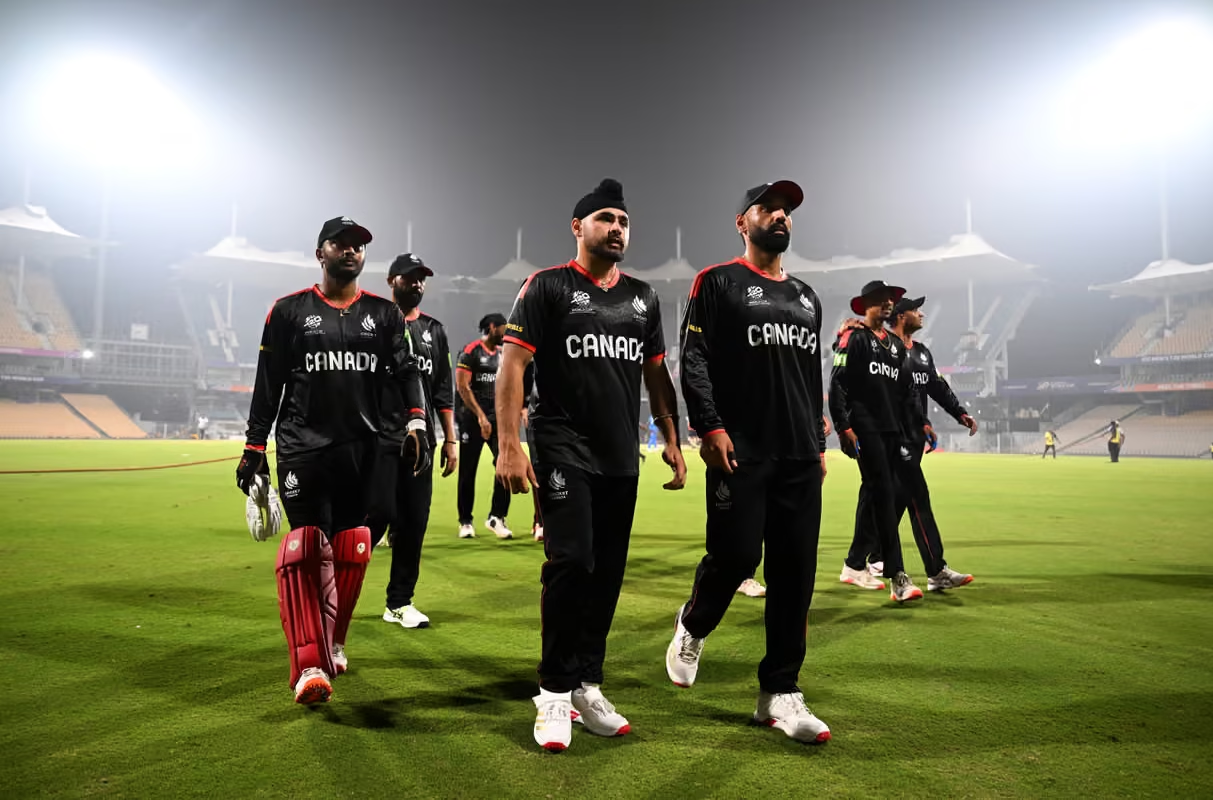
Cricket in Canada has recently faced significant turmoil, culminating in the International Cricket Council (ICC) suspending the country’s cricketing authority, Cricket Canada. This decision, which was made during an ICC meeting in Ahmedabad, India, is attributed to serious violations of the organization’s membership obligations. The situation has escalated into a full-blown crisis, leading critics to label Cricket Canada as a “laughing stock” within the international cricket community. The suspension has left many concerned about the future of cricket in a nation where the sport has been rapidly gaining popularity.
The ICC’s action comes on the heels of alarming allegations regarding corruption and governance issues within Cricket Canada. The organization has been under scrutiny for failing to maintain adequate governance structures, which include not submitting audited financial statements. This lack of accountability has raised serious questions about the integrity of the sport in Canada, especially following an earlier decision by the ICC to freeze funding to Cricket Canada in May. The organization’s interim chief operating officer, Bhavjit Jauhar, expressed surprise at the suspension but emphasized a commitment to rectify the situation without contesting the ICC’s decision.
Amidst these governance issues, there are troubling reports suggesting links between Cricket Canada and criminal elements, specifically a notorious gang known for its violent activities. This gang, notorious for operating from within a prison in India, has raised alarm bells among officials and stakeholders in the Canadian cricket scene. The implications of such connections extend beyond the sport, affecting the broader community and raising serious concerns about the safety and integrity of those involved in Canadian cricket.
The ICC’s suspension is grounded in multiple allegations against Cricket Canada, including corruption, coercion, and match-fixing. An investigation by a Canadian media outlet has unearthed extensive claims of misconduct, including pressure on players to engage in match-fixing and questionable player promotions within the national squad. Some players have reportedly received threats to ensure compliance, highlighting the severity of the situation. These allegations paint a grim picture of the internal dynamics at Cricket Canada and the pressures faced by its athletes.
The investigation revealed that some players were being groomed for rapid elevation in ranks, including captaincy, under dubious circumstances. The environment within the organization seems rife with intimidation, as players allegedly faced dire consequences for non-cooperation. This culture of fear and coercion has not only jeopardized individual careers but has also raised fundamental questions about the integrity of matches played under the auspices of Cricket Canada.
Moreover, the connection between Cricket Canada and the Lawrence Bishnoi gang has cast a shadow over the sport. This gang, which has been implicated in various violent crimes in Canada, was recently designated a terrorist entity by the Canadian federal government. The association of such criminal organizations with a national sport raises profound concerns about the influence of crime on sports governance and the potential risks for players and officials alike.
As the national governing body of cricket in Canada, Cricket Canada is responsible for the development, promotion, and regulation of the sport across the country. The national team has seen a rise in popularity, with more players entering the professional ranks, but this growth has now been overshadowed by governance scandals. The suspension from the ICC means that while Canadian teams can still participate in international competitions, the support and funding from the ICC will be tightly controlled and limited. This could significantly affect the team’s preparation and participation in critical tournaments.
The players find themselves in a precarious situation, caught between the aspirations of elevating Canadian cricket on the world stage and the damaging fallout from the governance crisis. With a growing domestic league and increased interest in cricket among Canadian youth, the potential for the sport is vast. However, the ongoing uncertainty regarding the leadership of Cricket Canada and its governance practices threatens to reverse the progress made in recent years. Players’ morale is likely to be impacted, as they navigate an environment fraught with allegations and a lack of clear direction from their governing body.
The current roster, which includes both experienced players and emerging talents, now faces the challenge of maintaining focus on their performances amidst the backdrop of corruption allegations. The psychological toll of the situation cannot be underestimated, as players may experience heightened anxiety about the integrity of their matches and their futures in the sport. Team unity and resilience will be crucial in overcoming these challenges, but the current atmosphere could hinder their development and performance on the field.
The suspension of Cricket Canada has immediate tactical implications for the national team as they prepare for upcoming competitions. While players remain eligible to compete in international tournaments, the lack of financial and administrative support could limit their training opportunities and overall preparation. A well-structured training regimen is vital for any team aiming to perform at a high level, and the uncertainty surrounding funding and governance could hinder the development of effective strategies and team cohesion.
Moreover, the allegations of match-fixing and corruption may lead to heightened scrutiny from the ICC and other cricketing bodies during matches. Players will likely be under closer observation, which could affect their performance on the field. This environment of suspicion may lead to increased pressure on players to perform without the assurance of fair play, especially if they fear repercussions from corrupt influences within their organization.
The competitive landscape in the cricketing world is already intense, and the added complications for Cricket Canada mean that they may struggle to compete effectively against more stable and well-supported teams. The national team’s ability to build a competitive edge relies heavily on consistent practice, effective strategy development, and psychological preparedness. With the current turbulence, focusing on these elements will be a considerable challenge, potentially leading to a period of decline for Canadian cricket in international standings.
The recent developments surrounding Cricket Canada provide a stark illustration of the challenges faced by sports organizations operating under weakened governance structures. The ICC’s suspension signals a critical turning point that could either catalyze significant reforms within Cricket Canada or plunge the organization further into disarray. The implications of this situation are profound, not only for the sport of cricket in Canada but also for the broader community that invests in and supports it.
The allegations of corruption and links to organized crime highlight the urgent need for transparency and accountability within sports governance. The involvement of criminal elements in cricket raises questions about the integrity of the sport and the safety of players and officials. Cricket Canada needs to address these issues head-on and implement strict measures to restore confidence among stakeholders, including players, fans, and sponsors.
Moving forward, the role of the ICC will be crucial in guiding Cricket Canada toward compliance and reinstatement. The conditions set forth by the ICC for reinstatement will need to be comprehensive and stringent, focusing on restoring proper governance structures and ensuring financial accountability. Without such reforms, the future of cricket in Canada could remain bleak, undermining the efforts of those who have dedicated their careers to promoting the sport.
As Cricket Canada navigates the aftermath of its suspension, the immediate focus will be on addressing the governance issues that led to this crisis. The organization has committed to conducting an independent investigation into its practices, which will be essential in understanding the depth of the problems and implementing necessary reforms. The results of this investigation will likely shape the future direction of Cricket Canada and determine how effectively it can rebuild its reputation within the international cricket community.
Players and teams will continue to compete in sanctioned events under ICC oversight, but the limitations on access to financial resources will pose significant operational challenges. The uncertainty surrounding funding will necessitate strategic planning and adaptability from players and coaching staff as they prepare for competitions. Building a resilient team culture will be essential to maintaining focus and performance during this turbulent period.
In the long term, the outcome of this situation could serve as a pivotal moment for cricket in Canada. Depending on how effectively Cricket Canada can implement reforms and regain the trust of the ICC and its stakeholders, the organization may emerge stronger and more accountable. Alternatively, if the issues persist, the sport may struggle to attract new talent and maintain its growing popularity, ultimately impacting its viability in a competitive sporting landscape. The coming months will be critical in determining the future trajectory of cricket in Canada, and all eyes will be on how the organization responds to these significant challenges.
About the Author