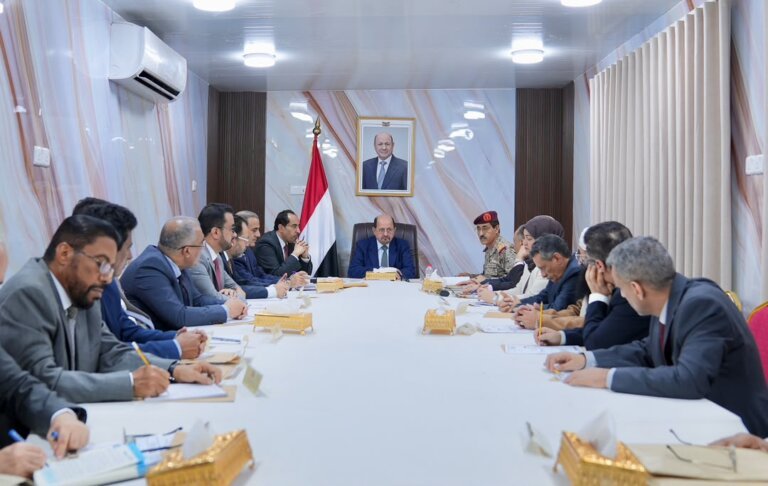
Rules for regulating official overseas travel were approved by Yemen Cabinet.
 Yemen Herald News
As the Presidential Leadership Council continues to steer Yemen towards stability, it recognizes the necessity of transparent governance in order to regain public trust. In light of this, the government has been undertaking significant reforms aimed at improving the management of public resources and ensuring that international engagement is meaningful and beneficial. The establishment of new regulations for overseas travel underscores this commitment.
In a strategic move to enhance oversight of international dealings, Yemen’s Cabinet has formally approved new regulations that govern official overseas travel and participation in global events. This initiative is aimed at curtailing unnecessary expenditures, improving coordination among various governmental bodies, and bolstering overall governance.
The regulations, which were proposed by the Ministry of Foreign Affairs, introduce systematic procedures for various aspects of foreign participation, including approval processes for official travel, guidelines for delegation sizes, and standards for evaluating the success of attendance at international platforms. By clearly outlining these protocols, the Yemeni government aims to eliminate ambiguity regarding foreign engagements and ensure that governmental representation is both purposeful and effective.
Further emphasizing accountability, the new framework mandates that ministries and governmental agencies seeking to engage in foreign activities must submit comprehensive objectives and justifications for their proposed travel. This includes an expectation that these ministries will deliver detailed reports upon their return, assessing the outcomes of their participation and identifying potential opportunities for partnerships and international support.
Multiple stakeholders are engaged in the implementation of these new regulations, each with distinct interests and responsibilities. The Yemeni Cabinet, particularly entities under Prime Minister and Foreign Minister Dr. Shaya Zindani, plays a critical role in executing these reforms. The government is actively managing numerous challenges in a tumultuous geopolitical landscape, driving home the need for clarity in foreign policy and international relations.
Ministries and government agencies make up another significant group of stakeholders. They will be directly affected by the implementation of the new travel guidelines and regulations. The pressure to provide clear justifications for their engagements affects how these agencies plan their international interactions. This added scrutiny is intended to cultivate a culture of accountability that aligns their activities with national interests and development goals.
Internally, the public’s perception of governance will also weigh on stakeholders as Yemen grapples with a long-standing humanitarian crisis. The public demands more accountability from its leaders, and transparency in foreign relations could play a significant role in addressing public concerns, ultimately affecting the legitimacy of the government’s actions among its citizens.
The new regulations surrounding foreign travel could have implications beyond Yemen’s borders. Yemen’s strategic location at the intersection of vital maritime routes makes the country a focal point for regional interests, particularly those of the Saudi-led coalition and Iran-backed factions. By enhancing oversight of international participation, Yemen aims to project a unified and coherent foreign policy stance to both allies and adversaries.
In a region marked by proxy conflicts, Yemen’s ability to streamline its foreign engagements may foster improved relations with other Arab states and international powers. As the Yemeni government seeks to enhance its diplomatic presence and attract international collaboration, this could result in a shift in how regional players view Yemen. Robust international partnerships could facilitate humanitarian aid delivery, attract foreign investment, and bolster Yemen’s developmental prospects.
However, the effectiveness of these regulations in achieving tangible outcomes remains to be seen. The geopolitical contests in the region often hinder collaborative opportunities. Regional players may remain skeptical or cautious regarding Yemen’s reform efforts, fearful of the implications of consolidating authority amid ongoing conflict. Therefore, while the new regulations are designed to enhance transparency and accountability, their actual impact on regional dynamics will depend largely on the government’s ability to follow through on its objectives.
The implementation of new regulations for overseas travel and international participation represents a crucial step forward for the Yemeni government in the midst of ongoing conflict and humanitarian challenges. By instituting a clear framework for government engagements abroad, the administration signals its commitment to governance and the prudent use of resources. These measures are not merely procedural; they reflect a paradigm shift towards a more organized approach in dealing with international affairs, where meaningful participation is prioritized over ceremonial representation.
It is essential to recognize that this will not be an easy transition. Institutions within Yemen are already strained due to years of conflict, and imposing stricter regulations may initially face resistance from within the government. Ministries will need to adapt to this new culture of accountability, and there may be a learning curve as stakeholders adjust to the demands of justification and evaluation.
Moreover, this reform comes at a time when Yemen’s reconstruction is a pressing priority on both domestic and international fronts. As potential partners evaluate Yemen’s preparedness to engage on the world stage, the effectiveness of these regulations will likely be scrutinized. Foreign nations and organizations may hesitate to invest or collaborate with Yemen if they perceive that governance structures remain weak or that accountability measures are merely superficial. Therefore, the government must complement these regulations with tangible reforms that demonstrate a genuine commitment to transparency and efficient use of resources.
The Yemeni government is poised to implement these new regulations, signaling a commitment to enhancing transparency and governance in foreign affairs. As ministries and government agencies adjust to this framework, it will be vital to monitor early responses and assess how well each institution adapts to these changes. The success of this initiative will depend significantly on the ability to generate reliable reports about foreign engagements and the outcomes achieved.
The evolution of these regulations will also necessitate ongoing dialogue both within the government and with potential international partners. By actively engaging with stakeholders, the government can gather feedback that could refine its approach, ensuring that regulations remain relevant and effective in promoting Yemen’s strategic interests abroad.
As these reforms take shape, they will likely face external challenges, notably from the international community scrutinizing Yemen’s intentions in light of the persistent conflict. While transparency may enhance diplomatic credibility, tangible improvements on the ground—the fundamental alleviation of the humanitarian crisis and advancement of peace initiatives—will ultimately define the sustainability of these regulations.
Continued international support and engagement will be imperative, and the Yemeni government must harness these newly established protocols to build fruitful partnerships and acquire necessary support. If effectively executed, these measures could lay a foundation for more robust governance in Yemen, fostering resilience and potentially leading to improved outcomes for the citizens enduring the ongoing crisis.
About the Author