Commitment to higher education development is reaffirmed by Prime Minister Zindani.
 Yemen Herald News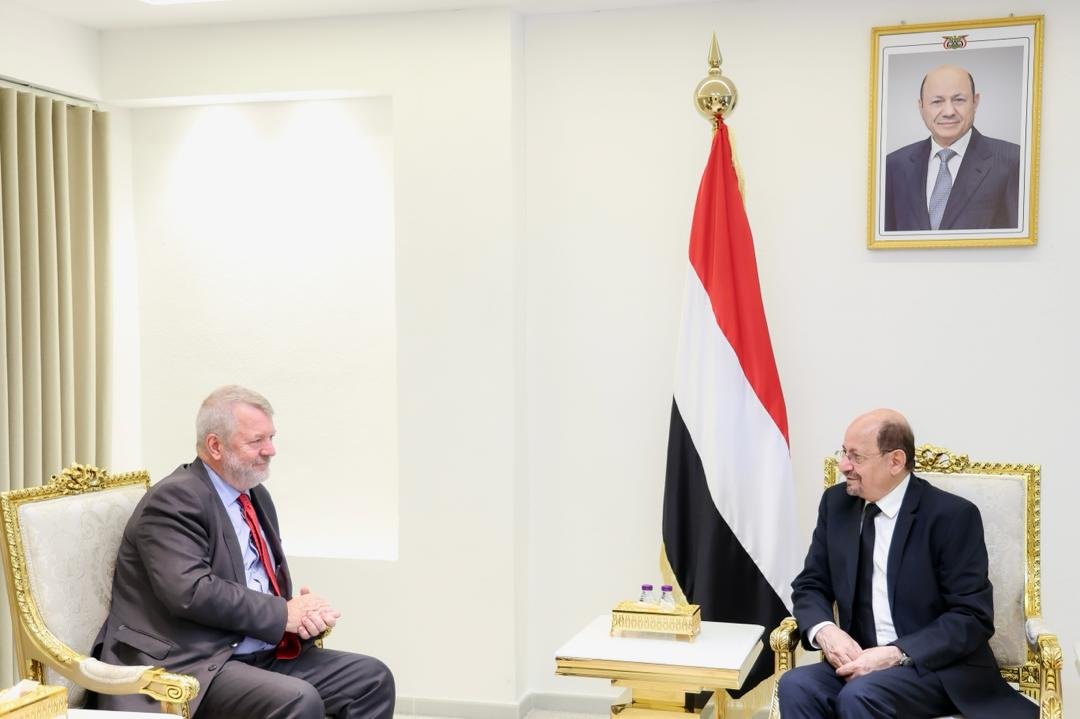
Over the years, Yemen’s educational system has suffered greatly due to armed conflict. Public universities have experienced a deterioration in conditions, leading to complaints regarding inadequate resources, poor administrative support, and the ongoing challenges brought about by the war. Amid these difficulties, the government remains committed to fostering the growth of higher education, recognizing it as vital for national recovery and the building of a resilient state. The emphasis is on strengthening scientific research and ensuring institutions can produce professionals equipped to contribute to the country’s rebuilding efforts.
In recent discussions, government officials have acknowledged the critical role that higher education plays in the long-term stability and progress of Yemen. The cabinet has initiated plans to address the urgent needs of this sector, aiming to enhance the quality of education and ensure reliable academic performance in public universities. This commitment reflects a broader strategy to uplift the nation and respond to the complexities of recovery in a war-torn society.
Prime Minister and Foreign Minister Dr. Shaya Zindani has made clear the government’s dedication to supporting the higher education sector. During a meeting with the heads of several prominent universities, including the University of Aden, the University of Abyan, and the University of Lahj, discussions revolved around the various challenges facing public universities. Key issues included insufficient funding, declining standards in education, and the pressing need for infrastructural improvements to create conducive learning environments.
The meeting also highlighted the recent Cabinet decision intended to address financial entitlements related to academic promotions for faculty members and teaching staff. This initiative is designed to enhance motivation among educators and ensure that universities can attract and retain qualified professionals amid competition from other sectors. The government is keenly aware that without the right incentives and resources, it will be challenging to recover and elevate the standard of higher education in Yemen.
There is an urgent expectation that higher education must evolve to meet modern needs and foster innovation. As Yemen rebuilds, institutions are expected to produce graduates who can not only fill existing professional gaps but also drive economic growth through entrepreneurial spirit and fortified job skills. Strengthening the relationship between academia and industry is critical for the country’s future, ensuring that public universities adapt to the changing landscape of societal needs and labor market demands.
The primary stakeholders in this educational revamp are the Yemeni government, represented by Dr. Zindani and relevant ministries, and the academic leaders of major universities who provide insight into the realities on the ground. University presidents such as Dr. Al-Khader Lasour of Aden, Dr. Mahmoud al-Maisari of Abyan, and Dr. Ahmed Mahdi Fadhl of Lahj play pivotal roles in articulating the challenges their institutions face, from curriculum development to resource allocation. Their collaboration with the government is essential in co-designing strategies that address these complex educational needs.
Additionally, students and faculty at these universities are critical stakeholders, directly engaging with the educational reforms and initiatives being discussed. Their experiences and feedback on the quality of education and resources available can significantly inform the government’s decisions, ensuring that policies are reflective of on-the-ground realities. Furthermore, student organizations and academic unions may also become involved as advocates for their peers, spotlighting issues that may otherwise be overlooked.
Another significant group comprises international organizations and NGOs focused on education and humanitarian work in Yemen. Their involvement could facilitate additional support mechanisms, resource provision, and expertise necessary for restructuring the higher education system. As regional donors consider financing projects, their perspectives may influence governmental priorities and the execution of various educational initiatives aimed at sustainable development.
The revitalization of Yemen’s higher education sector bears implications not only for the domestic landscape but also for the broader regional context. A robust education system is critical for creating a knowledgeable workforce that can ultimately contribute to Yemen’s economic re-emergence. This transformation has the potential to bolster regional stability by offering pathways for youth engagement and employment, reducing the likelihood of future conflicts fueled by economic despair and unemployment.
Furthermore, improved educational frameworks may influence neighboring countries within the Gulf Cooperation Council (GCC) by facilitating collaboration in shared educational initiatives and research. A reinvigorated higher education landscape in Yemen could attract interest from academic institutions in the region willing to engage in partnerships, exchanges, and collaborative programs, thereby promoting a more interconnected Middle East.
The regional implications extend into the geopolitical dynamics surrounding Yemen, particularly as the nation plays a critical role in the Red Sea and Bab al-Mandab strait corridor. Stability in Yemen is paramount for ensuring uninterrupted maritime trade routes critical to global commerce. An educated populace skilled in various fields can contribute to maritime safety, environmental management, and regional cooperation efforts, enhancing Yemen’s role as a strategic partner rather than a distressed state.
The challenges facing Yemen’s higher education system are indicative of broader issues within the country, including underfunding, political instability, and infrastructural inadequacies. While the government’s stated commitment to revitalizing this sector is promising, the actual implementation of proposed reforms remains to be thoroughly scrutinized. For change to be sustainable, there will need to be a systemic approach that involves stakeholders across various levels of society.
Moreover, the need for scientific research in Yemen cannot be overstated. As the nation contemplates recovery from years of conflict, establishing research programs in public universities will be essential for addressing local challenges such as health crises, food security, and environmental sustainability. Empowered universities could drive innovation, providing practical solutions tailored to Yemen’s unique socio-economic context.
However, the underlying socio-political factors—such as lingering conflict, economic destabilization, and humanitarian crises—may impede significant progress. Without addressing these systemic barriers, efforts to enhance higher education could be undermined. This situation necessitates a multi-faceted approach in which educational reforms are paired with broader socio-economic strategies to ensure that universities can play a critical role in national recovery.
Moving forward, the immediate focus will likely revolve around implementing the Cabinet’s decision regarding financial incentives for university faculty, which could help rejuvenate educational commitment and quality. Discussions among academic leaders and government officials will continue, with an emphasis on identifying specific resources needed and how best to allocate them for maximal effectiveness.
In addition, the government may explore collaborations with international partners to seek alternative funding sources and enhance educational tools and infrastructure. Engaging with global educational institutions could open doors for partnerships that leverage additional expertise and resources, as well as opportunities for Yemeni students to learn from and interact with their peers abroad.
The ongoing humanitarian crises, particularly in the backdrop of COVID-19 and recurring outbreaks of disease, will also dictate the pace of educational reform. The government will need to prioritize health infrastructure and educational continuity, possibly integrating public health education directly into university programs to ensure that future professionals are equipped to handle similar crises.
Ultimately, the path ahead hinges on effective communication and collaboration among stakeholders, including educators, government officials, and international partners. As Yemen aims to stabilize and rebuild, the development of a robust higher education sector will be crucial in creating a foundation for future growth, resilience, and improved quality of life for all citizens.
About the Author