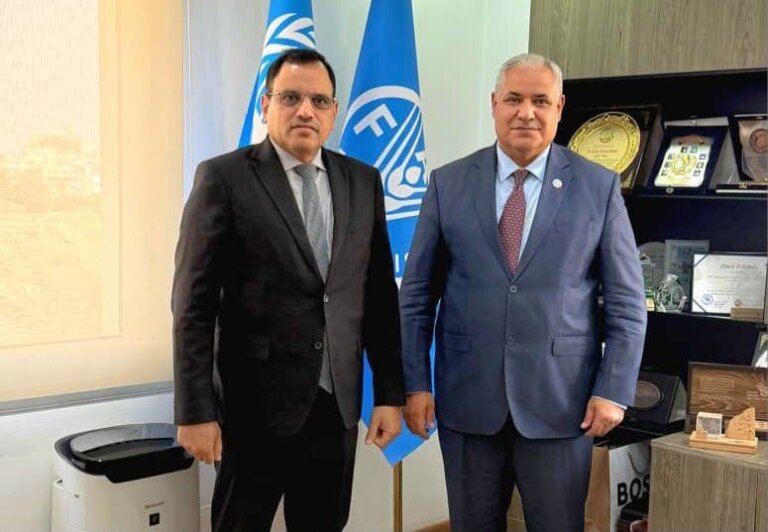
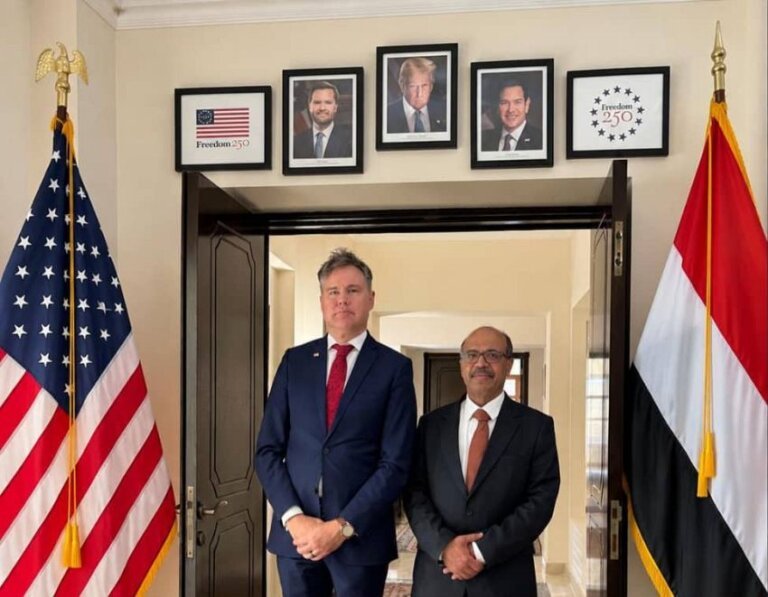
Yemen participates in the Islamic Development Bank’s Annual Meetings.
 Yemen Herald News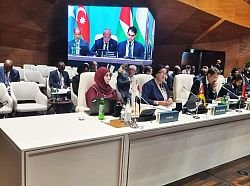
Amid this turmoil, the Islamic Development Bank (IDB) has emerged as a pivotal institution offering financial assistance aimed at fostering development in member countries, including those facing exceptional challenges such as Yemen. The IDB seeks to enhance economic cooperation among its 57 members, addressing development goals and shared economic hardships. By facilitating dialogue and potential partnerships between member states, especially for nations in crisis, the IDB aims to support structural reforms needed to recover from conflict and bolster economic resilience.
The looming need for sustainable development in Yemen has become more urgent as the country grapples with frequent diseases such as cholera and measles outbreaks. The IDB’s annual meetings serve as a critical platform for countries like Yemen to engage with international financial institutions, raising awareness of their situation while advocating for much-needed aid and support for economic recovery and sustainable development initiatives.
On Friday, Yemen participated in the annual conferences of the Islamic Development Bank Group held in Baku, Azerbaijan. This gathering, focusing on “Regional Integration for Sustainable Prosperity,” attracted high-level representatives from member countries, financial institutions, and international organizations. The event emphasizes the need for collaborative economic strategies among Islamic nations, aiming to strengthen ties for mutual development.
The IDB meetings provided an opportunity for participants to evaluate the group’s annual performance and explore ways to enhance economic integration across member countries. Discussions centered on promoting sustainable development goals, with a clear objective to tackle shared economic and developmental challenges faced by many nations, particularly those in crises like Yemen. Continuous interaction and cooperation among member states are essential for building resilience and fostering long-term economic stability.
During her attendance, Yemen’s Planning and International Cooperation Minister, Dr. Afrah Al-Zouba, highlighted the importance of this annual assembly. She pointed out that the meetings serve as a vital forum for fostering development partnerships. The significance of enhancing coordination efforts among member states and international financial organizations cannot be overstated, especially considering the unique trials that countries such as Yemen are currently facing.
Another key message from the meetings was the urgent necessity for increased support for regions afflicted by severe economic and humanitarian crises. Yemen’s situation remains precarious, and authorities stress that without enhanced assistance from international bodies, the prospects for economic recovery and improving basic services could be severely hampered.
The Islamic Development Bank serves as a central stakeholder in promoting economic cooperation and development among its member countries, which number 57. This institution aims to drive the economic advancement of its members while adhering to Islamic principles. It provides financial support and funding for projects that foster economic growth, particularly in areas affecting vulnerable populations. Its role becomes especially crucial for nations like Yemen, where the need for international financial assistance to stabilize and rebuild is profound.
On the Yemeni side, the government, represented by Dr. Afrah Al-Zouba, is a significant player in advocating for more substantial financial support and development projects. In her role as the Governor to the IDB, she has the crucial task of articulating the nation’s needs and mobilizing resources to address pressing humanitarian and economic challenges. Her participation in the IDB meetings indicates Yemen’s commitment to engaging with international institutions to seek solutions that can alleviate the suffering of its people and improve conditions within the country.
Additionally, the relevance of regional stakeholders cannot be ignored. Countries such as Saudi Arabia and the UAE, which are involved in the ongoing conflict, also engage with Yemen through the IDB. Their influence can be significant in shaping the nature of support Yemen receives through these financial mechanisms, as they have been pivotal in efforts aimed at stabilizing the region.
Moreover, international organizations and development partners who align with the objectives of the IDB are crucial as they unify efforts in extending assistance to member states. Their collaboration is vital for addressing both immediate humanitarian needs and long-term developmental goals.
The annual meetings of the Islamic Development Bank Group represent a broader strategy aimed at fostering regional cooperation among Islamic countries for sustainable prosperity. The discussions held in Baku hold potential implications not just for Yemen but for the entire region, shaped by similar socio-economic challenges. By focusing on collective solutions, member nations can address issues such as trade barriers, financial constraints, and shared developmental goals effectively.
For Yemen, regional integration is particularly critical, given its geographic position along the Red Sea and the Bab al-Mandab Strait, vital waterways for global trade. Stability in Yemen holds regional significance, as the country’s recovery could lead to enhanced trade routes and economic opportunities for neighboring countries, potentially revitalizing the economy of the Horn of Africa as well. If successful, regional scenarios that emerge from collaboration could help mitigate the rampant humanitarian crises and promote stability, benefiting all member states.
The IDB’s emphasis on sustainable development resonates deeply within the context of ongoing conflicts in the region, where countries grapple with poverty and insecurity. Yemen’s challenges could serve as a catalyst for member nations to share best practices and innovative solutions, potentially leading to the development of frameworks that address the root causes of prolonged conflicts and humanitarian emergencies across the region.
Furthermore, economic integration could lead to more robust partnerships between member states, allowing countries like Yemen to leverage support in various sectors such as agriculture, education, and health. This interconnectedness could result in shared growth and a more stable geopolitical landscape in the Middle East, emphasizing the significance of collaborative measures.
The IDB’s annual meetings highlight an ongoing commitment to fostering economic development and cooperation among member states in the face of crises. Yemen’s participation underscores the necessity for international collaboration amid the multifaceted challenges posed by its protracted civil war and humanitarian emergencies. Engaging with international mechanisms like the IDB can provide Yemen with a platform to articulate its specific needs while gaining access to much-needed financial resources.
Moreover, the discussions around sustainable prosperity and regional integration resonate with Yemen’s pressing requirement for structural reforms. The country will need to address myriad issues to transition from reliance on humanitarian aid to sustainable economic growth. Enhanced focus on economic diversification and rebuilding critical infrastructure will be essential for promoting recovery while minimizing the prospects of future conflicts.
The emphasis on development partnerships is also crucial, as Yemen must navigate the complex dynamics of local, regional, and international stakeholders seeking influence within its borders. Successful engagement with the IDB and determination to foster development partnerships could aid Yemen in breaking the cycle of dependency on external aid while promoting a self-sustaining economy.
In a broader context, Yemen’s situation highlights the importance of international platforms like the IDB in addressing complex humanitarian dynamics in conflict-affected nations. The mechanisms established by such organizations can significantly influence the regions in which they operate, potentially transforming areas from crisis to stability through effective collaborations.
Moving forward, Yemen is likely to intensify its diplomatic engagements with international and regional partners, especially through institutions like the Islamic Development Bank. The government will continue to advocate for increased support to address its unique challenges, focusing on both immediate humanitarian needs and long-term development objectives.
The relationships built during the IDB meetings could pave the way for new partnerships aimed at revitalizing Yemen’s economy. By leveraging financial support from the IDB and other international entities, Yemen could initiate development projects that contribute to immediate relief efforts and the long-term enhancement of essential services.
In addition, the government will likely prioritize structural reforms and economic initiatives that align with the IDB’s vision for sustainable development. These reforms will aim to build resilience against future shocks and establish a more favorable environment for both local and foreign investment, potentially revitalizing vital sectors such as agriculture and infrastructure.
Finally, observing the response to Yemen’s requests for support during these discussions will be crucial. The outcomes will be a test of the international community’s commitment to assist countries facing exceptional challenges. How successful Yemen is in these endeavors will significantly influence its trajectory towards recovery and stability in the coming years.
About the Author