Economic challenges, regional developments, and service reforms were reviewed by the Cabinet.
 Yemen Herald News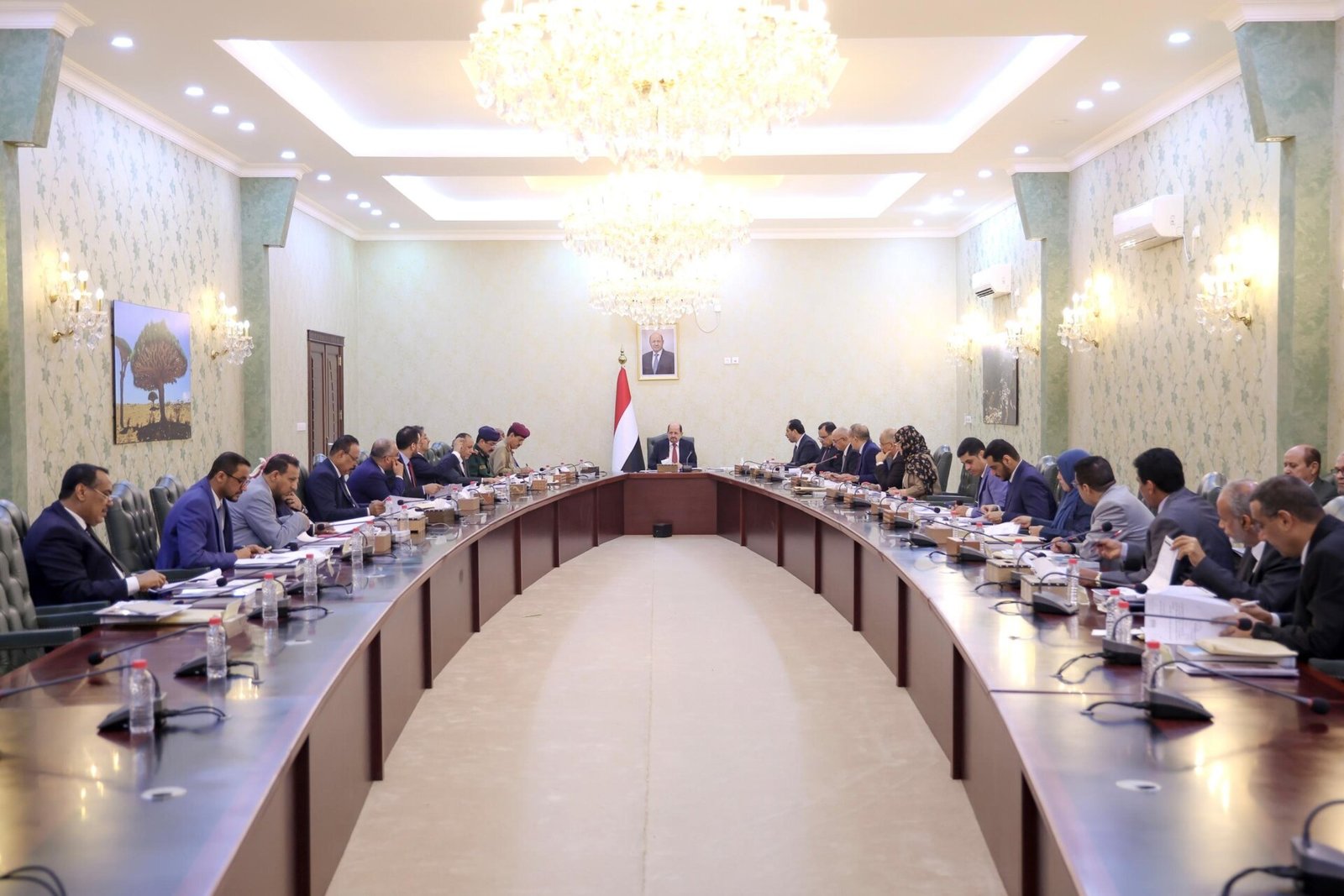
Over the years, the civil war has not only resulted in widespread destruction but has also severely undermined Yemen’s infrastructure. Electricity shortages remain a core issue, affecting daily life and essential services, with citizens struggling to cope as the country faces seemingly insurmountable obstacles. Furthermore, the geopolitical implications are magnified due to Yemen’s strategic position near the Bab al-Mandab strait, a critical maritime route for global trade and a focal point of regional power struggles involving Iran and Saudi Arabia.
In recent months, the Yemeni government has made notable efforts to address these issues by enhancing the public service sector, primarily focusing on electricity shortages and economic instability. However, the complexity of the challenges it faces reflects years of neglect and mismanagement. The government’s initiatives aim to create sustainable solutions, but success hinges on cooperation within the national framework and support from international allies.
In a recent meeting, the Yemeni Council of Ministers convened under the leadership of Prime Minister Dr. Shaya Zindani to discuss the country’s pressing political and economic conditions. Among the critical topics addressed were the persistent electricity crisis and ongoing government endeavors to secure a more reliable power supply. The Prime Minister elaborated on both immediate and strategic plans aimed at securing fuel supplies for power plants while laying the groundwork for a long-term solution to Yemen’s electricity challenges.
The government articulated that the electricity crisis is reflective of years of infrastructural neglect and inadequate planning. Despite having inherited these issues, the current administration is dedicated to confronting them with comprehensive and lasting strategies rather than temporary fixes. Alongside these discussions, the cabinet recognized the significant contribution of Saudi Arabia, announcing a new $150 million grant aimed at enhancing Yemen’s power generation capabilities through petroleum derivatives. This financial backing is anticipated to alleviate some of the pressures surrounding electricity supply and improve the overall quality of life for the Yemeni people.
In response to pressing economic conditions, the Yemeni cabinet also approved a 20 percent salary increase for public sector employees, which is expected to foster better living conditions and bolster public servants’ morale. This pay rise, structured according to salary grades, will include contracted staff supported by the state budget. Embedded within this meeting was a commitment to improve essential services and responsiveness to citizen grievances, reflecting a more proactive approach adopted by the government.
Among the significant stakeholders in Yemen’s ongoing crisis is the Yemeni government, particularly the Presidential Leadership Council, which bears the responsibility for governance amid war and economic collapse. The Council is currently tasked with not just stabilizing the political environment but also reviving essential services that have deteriorated over the course of the civil war. Its success hinges on the delicate balance of engaging various factions within Yemen, addressing public demands, and coordinating with international supporters to secure necessary resources.
Another vital player in Yemen’s landscape is Saudi Arabia, which has provided invaluable support to the Yemeni government in the form of financial assistance and humanitarian aid. The latest $150 million grant for petroleum derivatives underscores the steadfast commitment of Saudi leaders to bolster Yemen’s state institutions during these tumultuous times. Saudi Arabia’s influence is further amplified by its geopolitical interests in ensuring that an Iran-backed faction does not establish a stronghold in Yemen, which shares a long border with the Kingdom.
Additionally, the role of international organizations and humanitarian agencies cannot be overlooked. Numerous NGOs and multinational entities are working to alleviate the dire humanitarian circumstances affecting millions of Yemenis. Their efforts are crucial in addressing basic needs, including food, healthcare, and sanitation, while striving to bring awareness to the ongoing plight of displaced populations and those suffering from outbreaks of diseases such as cholera and measles.
Local communities also represent a key component in this multifaceted crisis. Citizens are increasingly vocal about their needs and demands for adequate services, stable employment, and improvements in safety and security. Their protests and active engagement with the government signal a broader call for accountability as they navigate life in a nation fraught with uncertainty.
The ongoing conflict in Yemen has significant ramifications for the broader Middle East, impacting geopolitical relationships and alliances. Instability in Yemen contributes to heightened tensions between regional powers, particularly with Iran’s involvement through its support of the Houthis. This dynamic perpetuates the cycle of violence and undercuts regional efforts for a peaceful resolution, as both sides remain entrenched in their positions.
Furthermore, the potential for Yemen to be a battleground for broader regional power plays, primarily between Iranian and Saudi interests, complicates the prospect of stability. The Bab al-Mandab strait, bordering Yemen, is an essential transit route for global commerce, underscoring the international stakes of a resolution. Any shifts in power dynamics within Yemen could thus have far-reaching implications, affecting everything from oil prices to international shipping routes.
Humanitarian conditions in Yemen also have a cascading effect on neighboring nations, as the influx of refugees and internally displaced persons challenges local infrastructures. Countries in the Gulf Cooperation Council (GCC) and beyond could face escalating strains from migration flows, necessitating broader multilateral responses to assist Yemen and its effects on regional stability.
Moreover, unresolved conflicts tend to become breeding grounds for extremist groups, which can further destabilize the region. The presence of terrorism and organized crime is already a challenge for the Yemeni state, and any failure to restore order could lead to increased external threats, affecting not only Yemen but also surrounding states and their security frameworks.
The Yemeni government’s recent initiatives to enhance public services and address long-standing issues signal a pivotal shift in its approach. However, delivering substantial change in an environment plagued by infrastructural disarray and economic hardship remains an uphill task. The electricity crisis illustrates decades of neglect and mismanagement, and while the government’s commitment to fixing these issues is commendable, the effectiveness of its strategies will determine its legitimacy in the eyes of the public.
Increasing salary levels for civil servants represents an essential step towards reassuring public sector workers amid severe economic turmoil. However, the government faces the daunting challenge of addressing inflation and the resulting erosion of purchasing power, complicating public morale. This financial adjustment could yield short-term benefits but may not suffice if structural issues in the economy are not addressed concurrently.
Support from Saudi Arabia provides a necessary lifeline for the Yemen government, but it is crucial to recognize that reliance on external aid cannot substitute for comprehensive domestic policy reforms. Sustainable solutions must include fostering economic independence and improving governance to build public confidence and cultivate national ownership of the recovery process. Balancing these external partnerships with effective domestic governance will be critical for the long-term success of Yemen’s recovery.
As silence envelops the socio-political landscape of Yemen, public sentiment remains fragile and susceptible to the erosion of trust. Demands for accountability will continue to rise, putting pressure on the government to respond to grievances while remaining cognizant of the political complexities at play. In a climate where citizens are bearing the brunt of ongoing instabilities, prioritizing public interests is essential for restoring faith in the government.
Looking ahead, the Yemeni government faces a crucial period in navigating the complexities of recovery amidst ongoing challenges. The urgency to resolve the electricity crisis will require concerted efforts to stabilize power supplies while developing long-term infrastructure solutions. The success of these initiatives will play a significant role in alleviating daily struggles and restoring basic services to citizens yearning for stability in their lives.
Addressing broader economic issues will also be paramount in fostering public trust. Strategic investments in key sectors such as agriculture and fishing, as recognized by the recent cabinet approvals, will require thorough planning and execution. Strengthening the Agricultural and Fish Production Promotion Fund, coupled with enhanced research initiatives, can help promote food security and stimulate job creation for the displaced and unemployed population.
Moreover, an honest dialogue with citizens about their needs and expectations will be critical to the government’s regaining credibility. Engaging with local communities through transparent communication and participatory governance models will enable the government to align its priorities with those of the population, ideally reducing tensions arising from public protests and dissatisfaction.
Lastly, while grappling with its internal challenges, Yemen’s government must remain vigilant about external threats stemming from regional dynamics. The landscape may shift as various actors continue playing their roles in Yemen’s theater of conflict, necessitating a balanced approach that seeks peace and stability at both the national and regional levels. Prioritizing sustainable governance, enhancing public services, and fostering constructive dialogue will be key to navigating the past and opening up future possibilities for Yemen.
About the Author