Yemen and ESCWA Move to Deepen Cooperation on Development Policy
 Yemen Herald News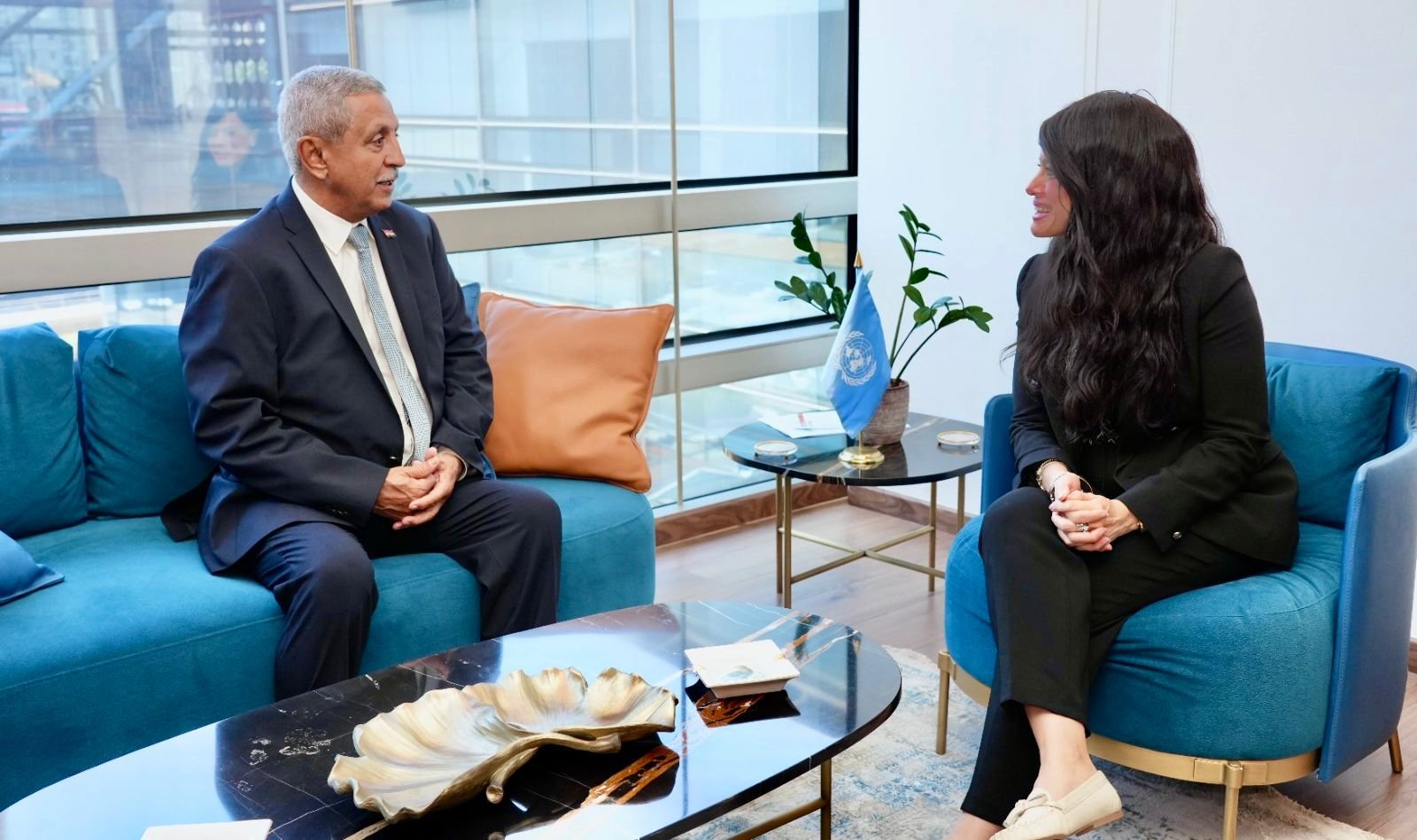
Yemen and the United Nations Economic and Social Commission for Western Asia (ESCWA) have moved to deepen their cooperation on development policy, following a meeting between Yemen’s Ambassador to Lebanon, Abdullah Al-Duais, and the commission’s leadership. The talks, held in Beirut in late June, centred on how the regional body can help the Yemeni government design and carry out the strategies it sees as essential to long-term recovery.
According to officials, the discussion focused on ESCWA’s role in supporting the review and implementation of public policies and national development strategies. The two sides also examined the commission’s technical assistance and advisory support, and explored how Yemen might benefit from the experiences of other ESCWA member states that have navigated their own development and reform challenges.
ESCWA is one of five regional commissions of the United Nations and serves the Arab states of Western Asia. Headquartered in Beirut, it provides member governments with economic and social research, data, and policy advice, and acts as a forum for regional cooperation. For a country emerging from years of conflict, that combination of analytical capacity and convening power can be valuable in shaping plans that meet international standards while remaining grounded in local realities.
A recurring theme in the talks was the value of shared regional experience. ESCWA’s membership spans Arab states at very different stages of development, and the commission frequently encourages members to exchange lessons on reform, public administration and service delivery. For Yemeni officials, studying how other countries in the region have approached similar problems offers a practical complement to outside funding, allowing the government to adapt proven approaches rather than design every policy from scratch.
For Yemen, the appeal of closer engagement lies in access to expertise rather than emergency relief alone. After nearly a decade of war, the internationally recognised government faces the task of rebuilding institutions, restoring basic services and attracting investment, all of which require credible planning. Drawing on ESCWA’s advisory support is intended to strengthen the government’s ability to translate broad ambitions into concrete, implementable programmes.
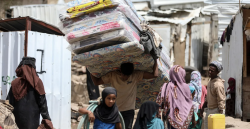
The meeting takes place against the backdrop of a humanitarian emergency that remains among the world’s most severe. Fighting that escalated in 2015 between the Houthi movement and the recognised government, backed by a Saudi-led coalition, has displaced millions of people and left a large share of the population dependent on assistance. Aid agencies have repeatedly warned that close to eighteen million Yemenis require some form of humanitarian support, while more than four million remain internally displaced.
Cooperation with ESCWA forms part of a wider pattern of engagement between Yemen and international partners on recovery and reconstruction. The commission has worked with the Saudi Development and Reconstruction Program for Yemen on initiatives to support the country’s development plans, and has contributed to efforts aimed at framing a shared vision for Yemen’s recovery. Such partnerships are designed to align external assistance with priorities the Yemeni authorities themselves have identified, reducing duplication and improving the chances that projects deliver lasting results.
Reliable data and planning capacity are likely to feature prominently in any expanded relationship. Sound development strategy depends on accurate statistics about population, the economy and basic needs, and conflict has made such information harder to gather in Yemen. Support from a body specialising in regional economic and social analysis could help the government close those gaps, improving its ability to set priorities, measure progress and demonstrate results to donors who want assurance that their contributions are being used effectively.
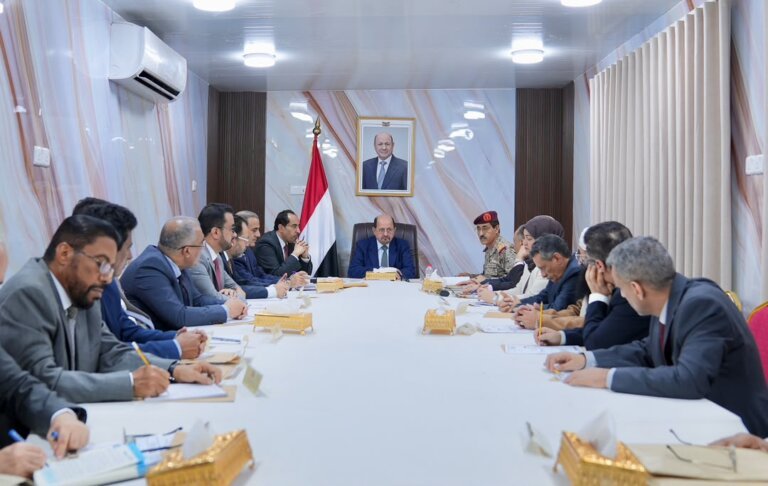
Much of this work depends on the institutions of the recognised government, led by the Presidential Leadership Council, which has sought to stabilise the economy and restore governance from the interim capital of Aden. Officials have stressed that durable development requires not only funding but also the administrative and technical capacity to manage it, an area where partnerships with bodies such as ESCWA are expected to make a difference over time.
The diplomatic dimension is significant as well. By engaging the commission through its ambassador in Lebanon, Yemen is reinforcing its presence within regional institutions and signalling that it intends to remain an active participant in Arab development frameworks despite its domestic difficulties. Sustained representation in such forums can help keep Yemen’s needs on the regional agenda and open doors to technical programmes that might otherwise pass it by.
Yemen’s situation also carries weight beyond its borders. The country sits along the Red Sea and the Bab al-Mandab Strait, a strategic corridor for global shipping, and its stability is closely watched by neighbouring states. Regional actors, including Saudi Arabia and the United Arab Emirates, have been deeply involved in efforts to support the recognised government, and they view a more stable, better-governed Yemen as central to wider security in the Arabian Peninsula.
For now, the meeting represents a step rather than a settlement. Strengthening cooperation with ESCWA will not by itself resolve the structural problems that years of conflict have created, and progress will depend on continued political support, adequate funding and the government’s capacity to act on the advice it receives. Even so, the renewed dialogue underscores a shared recognition that Yemen’s recovery must rest on sound policy and regional partnership, and that institutions built for exactly that purpose still have a role to play in charting the country’s path forward.
About the Author