Yemen Health Ministry and WHO Move to Bolster Disease Surveillance Amid Recurring Outbreaks
 Yemen Herald News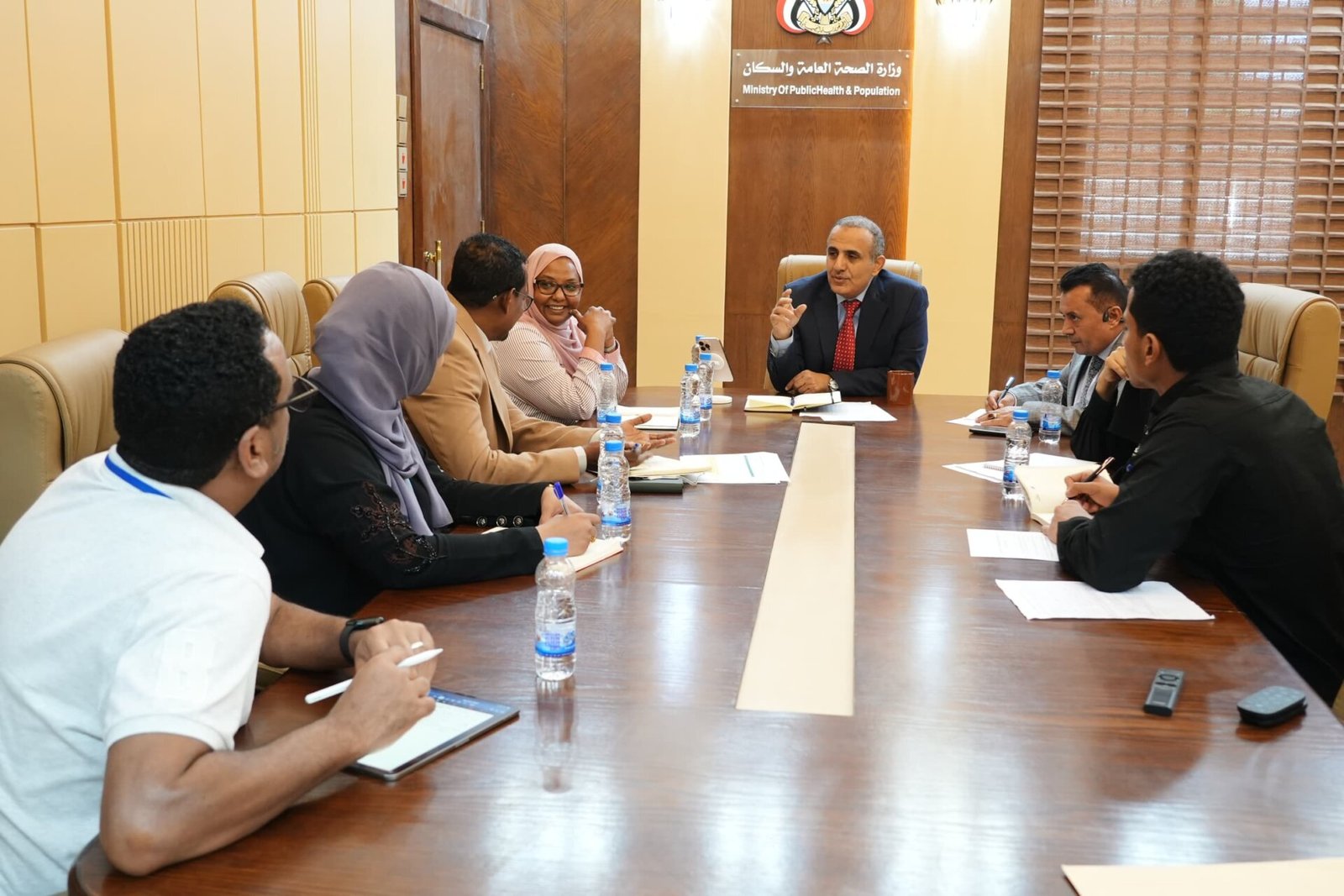
Yemen’s Minister of Public Health and Population, Dr. Qassem Buhaibeh, has met a delegation from the World Health Organization to review ways of strengthening the country’s disease surveillance and outbreak response, as health authorities continue to contend with recurring epidemics against a backdrop of conflict and chronic underfunding. The WHO team was headed by the organisation’s Deputy Representative in Yemen, and the talks centred on reinforcing the systems that allow health workers to detect and contain disease before it has the chance to spread widely.
At the heart of the discussion was epidemiological surveillance, the routine gathering and analysis of health data that enables authorities to identify outbreaks early and act before they escalate. The two sides examined mechanisms to improve disease prevention and control and to bolster national programmes targeting communicable illnesses, an area that has taken on heightened importance in a country where preventable diseases continue to claim lives. Both parties underscored the value of close coordination between the ministry and international partners in sustaining and expanding these efforts.
The need is acute. Yemen has endured one of the world’s most severe humanitarian crises since its war escalated in 2015, when the Houthi movement consolidated control over the capital, Sanaa, and a Saudi-led coalition intervened in support of the internationally recognised government. Years of fighting have left the health system fragile, with damaged facilities, shortages of staff and supplies, and interruptions to power and clean water that together create ideal conditions for disease to take hold. Humanitarian assessments for 2026 estimate that more than 22 million people across the country require some form of assistance, while only around 60 per cent of health facilities remain fully functional.
That environment has produced repeated outbreaks of communicable disease. Yemen has recorded some of the largest cholera epidemics seen anywhere in modern times and now bears one of the heaviest cholera burdens in the world, alongside recurring measles, dengue fever, polio and other illnesses that thrive where immunisation coverage is patchy and sanitation has broken down. Each new wave places fresh strain on a system already stretched thin, making the ability to spot and respond to outbreaks quickly a matter of life and death, particularly for children and other vulnerable groups.
Disease surveillance forms the backbone of any effective response. Yemen operates an early warning system, developed with WHO support, that is designed to flag unusual patterns of illness across reporting sites so that suspected cases can be investigated rapidly. Strengthening such a network requires trained personnel, reliable reporting from health facilities, laboratory capacity to confirm cases, and the logistical means to act on alerts once they are raised. The discussions between the ministry and WHO reflected an effort to shore up these elements so that warnings translate into timely action rather than delayed reaction.
The World Health Organization has long been a central partner in Yemen’s health response, supporting outbreak control, immunisation campaigns, the supply of essential medicines and the training of health workers through its leadership of the country’s health cluster. Its continued engagement carries weight in a setting where many international actors operate under difficult and at times dangerous conditions. By working alongside the Ministry of Public Health and Population, the agency helps extend the reach of national programmes into areas where the state’s own capacity has been worn down by years of conflict.
For the ministry, meetings of this kind are part of a broader effort to keep core health functions running despite formidable obstacles. Dr. Buhaibeh, who has led the ministry through much of the crisis, has repeatedly drawn attention to the pressures facing the sector, including declining resources and funding shortfalls that threaten the delivery of basic services. Coordinated planning with partners such as WHO is intended to make the most of limited means by aligning priorities and avoiding the duplication of effort.
Funding remains a persistent concern across Yemen’s humanitarian response. International appeals have frequently fallen short of their targets, and the humanitarian plan for the country in 2026 seeks more than two billion US dollars to deliver assistance at scale. In the health sector, shortfalls can mean the difference between maintaining surveillance and immunisation at the level required and allowing gaps to open that outbreaks can exploit. Ensuring predictable support for disease prevention is therefore a recurring theme in the dialogue between Yemeni officials and their international counterparts.
Children bear a disproportionate share of the burden. Widespread malnutrition weakens immunity and leaves the young more exposed to infections that a healthier population might withstand, while disruptions to routine immunisation have left gaps that preventable diseases can exploit. Strengthening surveillance is closely tied to these wider efforts, because early detection allows scarce resources, including vaccines and treatment, to be directed quickly to the communities where they are most needed.
While the meeting did not announce specific new programmes, both sides framed it as part of a continuing process of assessment and improvement intended to keep Yemen’s surveillance system in step with the country’s shifting public-health risks. In a context where resources are limited and the margin for error is slim, the capacity to detect threats early and act decisively remains among the most important defences a weakened health system can have. Continued collaboration between the ministry and WHO is intended to keep that capacity intact even as the wider crisis endures.
About the Author