Yemen’s Prime Minister Presses for Closer Coordination With the WFP as Food Aid Is Cut
 Yemen Herald News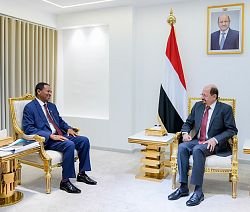
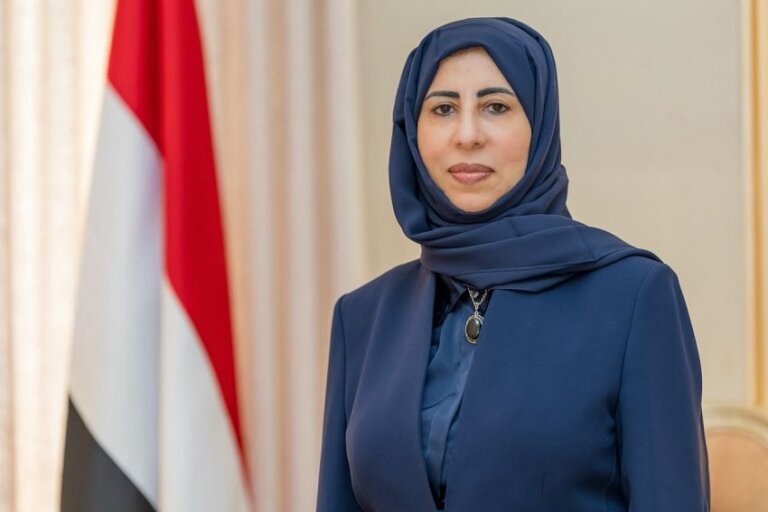
Yemen’s Prime Minister, Dr. Shaya Mohsin al-Zindani, has stressed the need for closer coordination between his government and the World Food Programme, using a meeting in the interim capital, Aden, to press for humanitarian efforts that are better aligned with the population’s most urgent needs. The talks came as Yemen continues to grapple with one of the world’s gravest humanitarian emergencies, a crisis rooted in more than a decade of conflict that has left millions dependent on outside assistance.
Al-Zindani held the discussion with El Khidir Daloum, the recently appointed WFP Country Director in Yemen. The two reviewed the agency’s strategic priorities for the period ahead, along with the humanitarian and development projects it is running across the country, and explored ways to make that work more effective. The prime minister argued that well-coordinated interventions were essential both to direct scarce resources toward the areas of greatest need and to strengthen the transparency and efficiency of programmes delivered on the ground.
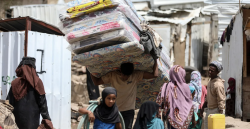
He praised the WFP’s contribution in the face of daunting obstacles and reaffirmed the government’s commitment to providing the support the agency needs to carry out its mission. That cooperation, officials said, has taken on added importance as Yemen confronts the combined pressures of mass displacement and deepening food insecurity, challenges that have grown more acute as international funding has fallen.
Looking beyond immediate relief, al-Zindani emphasised the importance of attracting international financing for longer-term development. He advocated a gradual shift away from a model built almost entirely on emergency aid toward sustainable strategies designed to make better use of available resources and to build resilience among communities, equipping them to withstand future shocks rather than remaining perpetually reliant on handouts. For his part, Daloum outlined the WFP’s own strategy and the constraints shaping it, in a conversation that touched on school feeding, local procurement and coordination with other donors and UN agencies.
The backdrop to the meeting is a severe funding squeeze that has forced the WFP into painful choices. The agency has warned that its resources for Yemen in 2025 were projected to fall by around a third compared with the previous year, compelling it to scale back assistance even as needs climbed. From the start of the year, millions of people saw their rations reduced to roughly half of the WFP’s daily minimum, while the number of people receiving general food assistance in government-controlled areas was cut sharply as the agency concentrated its dwindling supplies on the most vulnerable households.
Those reductions have extended beyond general food distributions. The WFP has also been forced to curtail programmes aimed at preventing malnutrition among young children and pregnant and breastfeeding women, reaching only a fraction of those it had originally intended to help. Aid officials say such cuts risk long-term consequences for a generation of Yemeni children already facing some of the highest rates of malnutrition in the world.
The scale of the need remains immense. Assessments during 2025 found several million people facing crisis levels of food insecurity or worse, including hundreds of thousands in conditions classified as emergency, one step short of famine. Analysts have warned that further deterioration is likely if funding does not recover, particularly in areas where economic collapse, a depreciating currency and disrupted trade have pushed basic goods beyond the reach of ordinary families.
Public health concerns compound the picture. The erosion of water and sanitation systems has repeatedly opened the way for outbreaks of cholera and measles, diseases that spread rapidly where clean water is scarce and clinics are overstretched. Humanitarian workers caution that hunger and disease reinforce one another, as malnourished children are far more vulnerable to infection, and that the combination places an especially heavy burden on the youngest and weakest.
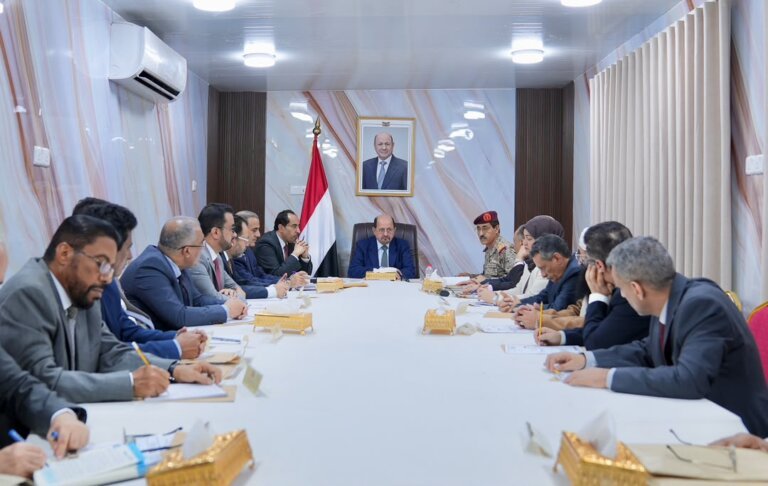
The meeting also unfolded amid a fluid political landscape. The internationally recognised government, operating mainly from Aden, continues to face the twin challenge of restoring a measure of stability and meeting the immediate needs of citizens across a country effectively divided between rival administrations. Al-Zindani’s government, formed at the start of 2026, has placed economic reform and improved coordination with international partners near the centre of its agenda, presenting closer cooperation with agencies such as the WFP as part of that effort.
By seeking a stronger partnership with the food agency, the prime minister signalled an awareness of the complexities his government faces as it tries to improve living conditions in a nation exhausted by war. Officials have repeatedly argued that emergency aid, however indispensable, cannot by itself reverse the damage inflicted by years of fighting, and that durable improvement will require a transition toward development and reconstruction once security allows.
Whether that vision can be realised depends heavily on factors beyond the government’s control, from the trajectory of the conflict to the willingness of donors to sustain their support at a time of competing global crises. For now, meetings such as the one in Aden serve to keep channels open between the authorities and the humanitarian agencies on which so many Yemenis depend, and to reaffirm a shared, if severely tested, commitment to keeping food on the tables of the country’s most vulnerable people.
About the Author