
Yemen’s Health Minister Orders Tighter Oversight of Public and Private Clinics
 Yemen Herald News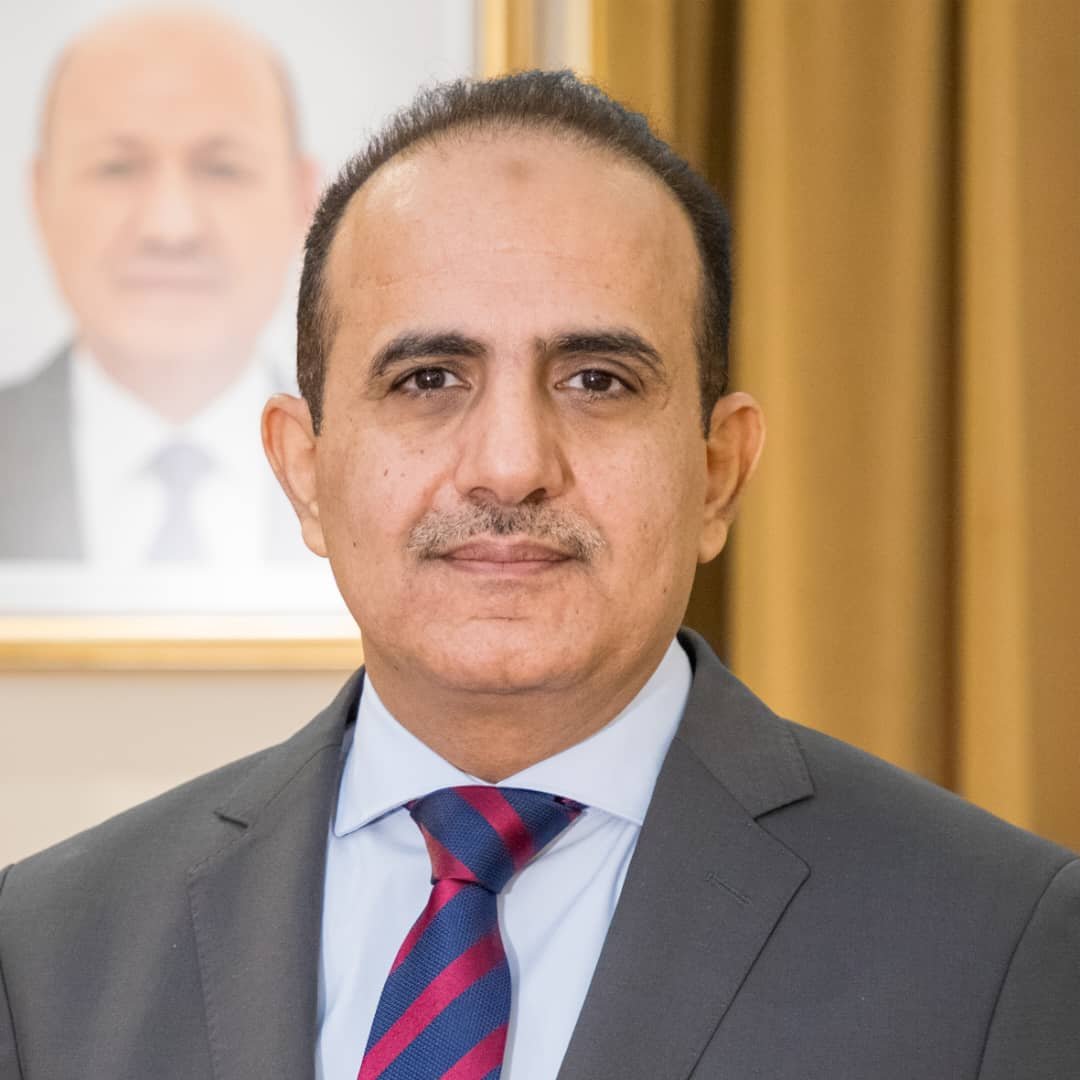
Yemen’s Minister of Public Health and Population, Dr. Qassem Buhaibeh, has ordered tighter oversight of both public and private medical facilities across the country’s governorates, in a move aimed at raising healthcare standards and protecting patients. The directive, issued through an official circular, responds to the deep strains on a health system that has been battered by years of civil conflict and the humanitarian crisis it has produced. The minister framed the measures as an attempt to enforce compliance with national regulations at a time when many Yemenis have little choice about where they seek care.
Under the circular, health authorities are instructed to carry out both routine and unannounced inspections of healthcare establishments. Inspectors are to verify that facilities hold the correct licences, meet technical standards and employ properly qualified medical staff. They are also expected to check that clinics and hospitals comply with quality and patient-safety requirements and that they apply effective infection prevention and control measures, an area of particular concern in a country repeatedly hit by disease outbreaks. The instruction to conduct surprise visits, rather than only scheduled ones, is intended to give a truer picture of day-to-day conditions inside clinics and hospitals.
A second strand of the directive focuses on medicines. Dr. Buhaibeh stressed the importance of rigorous pharmaceutical monitoring to curb the sale and distribution of smuggled, unregistered and expired drugs, a problem made worse by chronic shortages of essential medicines. The minister called for legal action against any facility found to be breaking the rules, presenting enforcement as a way to restore public trust in the health system while cracking down on practices that put patients directly at risk.
To make the effort measurable, provincial health offices have been told to submit monthly reports setting out the results of their inspections and any action taken against facilities that fail to comply. Officials describe the reporting requirement as a way to build transparency and accountability into a health administration that has become fragmented during the conflict, with lines of authority often unclear and oversight inconsistent from one governorate to the next.
The circular also directs closer scrutiny of the fees charged for healthcare services and the prices of medicines, with the stated aim of preventing exploitation at a time of acute need. With inflation and economic turmoil eroding household incomes, the ministry says it wants to shield vulnerable patients from being overcharged for basic treatment. Protecting affordability is presented as especially important given the scale of the humanitarian emergency, in which well over 18 million people are estimated to require some form of assistance.
Recognising that the health ministry cannot enforce these standards alone, Dr. Buhaibeh has called for improved coordination with the Supreme Board of Drugs and for collaboration with local authorities, security forces and judicial bodies. This multi-agency approach is intended to give inspectors the backing they need to act against violators, from unlicensed clinics to sellers of counterfeit medication, and to ensure that penalties are actually applied rather than quietly ignored.
The new measures sit within a far wider set of health challenges. Yemen has endured recurring outbreaks of cholera and measles that fall heaviest on displaced families living in crowded and unsanitary conditions. Years of war have destroyed or damaged infrastructure, driven skilled professionals abroad and left facilities short of supplies, equipment and staff. In that environment, even well-designed regulations are difficult to enforce, and the health system remains heavily dependent on international aid agencies to keep basic services running. Yemen has recorded one of the largest cholera outbreaks documented in recent history, with hundreds of thousands of suspected cases reported since the epidemic took hold, underlining how quickly waterborne disease can spread when sanitation and health services break down.
The oversight drive also aligns with longer-term planning. Yemeni health authorities have moved to put quality of care at the centre of their agenda, including through a National Quality of Health Care Strategy covering the second half of the decade, developed with support from international partners. Tighter inspections and clearer reporting are consistent with that framework, which seeks to standardise services and rebuild confidence in institutions after years of disruption, rather than treating enforcement as a one-off campaign.
Politics, however, continues to shape what is possible. The internationally recognised government based in Aden exercises authority over only part of the country, while large areas, including the capital Sana’a, remain under Houthi control. That division has produced parallel systems of administration and complicates any attempt to apply uniform health standards nationwide. Shifting front lines, competing authorities and the involvement of outside powers all affect how far reforms can reach in practice.
For all these obstacles, officials present the tighter oversight as a necessary intervention in a deeply troubled sector. Sustained monitoring, consistent enforcement and fair pricing, they argue, could over time deliver real improvements in the quality of care, patient safety and access to treatment. The road to a functioning health system remains long and uncertain, but the ministry casts the new circular as a concrete step toward restoring standards and public trust, and toward giving Yemenis a health service better able to meet their needs.
About the Author




