Yemen’s al-Muharrami Reviews Security Progress in Liberated Areas With Interior Minister
 Yemen Herald News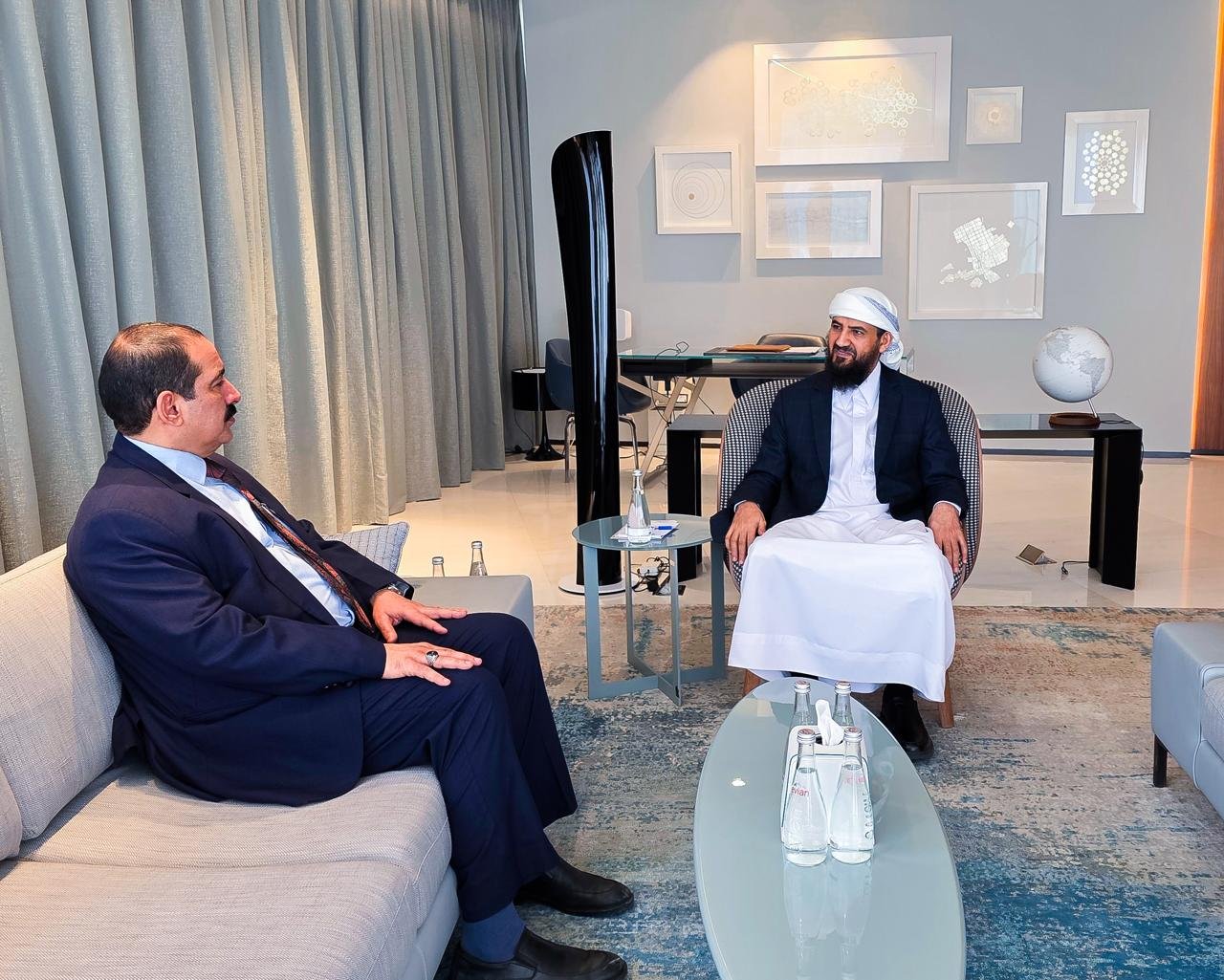
Abdulrahman al-Muharrami, a member of Yemen’s Presidential Leadership Council, has met the country’s Interior Minister, Major General Ibrahim Haidan, to review security developments across the government-held governorates. The meeting was intended to assess the current security situation and to evaluate ongoing efforts to strengthen stability and public order at a time when the internationally recognised government is trying to reassert control amid a grinding civil conflict.
Al-Muharrami is a prominent figure in Yemen’s fractured political and military landscape. Better known by the name Abu Zara’a, he has served on the Presidential Leadership Council since it was formed in 2022 and is also reported to hold the post of vice president of the Southern Transitional Council. A military commander with a significant following, he has been closely associated with security arrangements in the interim capital, Aden, which carries particular political and symbolic weight for the government. He rose to prominence as a commander of the Giants Brigades, the Emirati-backed force that played a decisive role in pushing Houthi fighters back from Yemen’s west coast, and his inclusion on the council reflected the weight of the armed factions that helped shape the current government.
During the meeting, Major General Haidan briefed al-Muharrami on the Interior Ministry’s recent activities and on the operational performance of security agencies in the liberated areas. He set out the main challenges confronting the security sector, difficulties that have been deepened by years of war that shattered institutions, drained budgets and left competing armed groups operating with varying degrees of coordination. The minister was reported to have pointed to tangible progress in the security situation across the government-held provinces.
Central to the discussion was the drive to integrate the country’s disparate security forces under a single, coherent structure. Officials emphasised the importance of establishing clear organisational frameworks so that the various agencies work together rather than at cross purposes. Al-Muharrami praised efforts to unify the financial and operational systems of the security sector, describing them as critical to transforming the performance of the ministry and its affiliated bodies and to building a more disciplined and accountable force.
The two men also focused on the persistent threats of terrorism, organised crime and human trafficking, which have continued to undermine stability in areas nominally under government control. Al-Muharrami stressed the need for closer cooperation among the different security services to confront these dangers, noting that effective coordination and shared intelligence are essential if the authorities are to keep pace with networks that exploit the weakness of state institutions during periods of conflict.
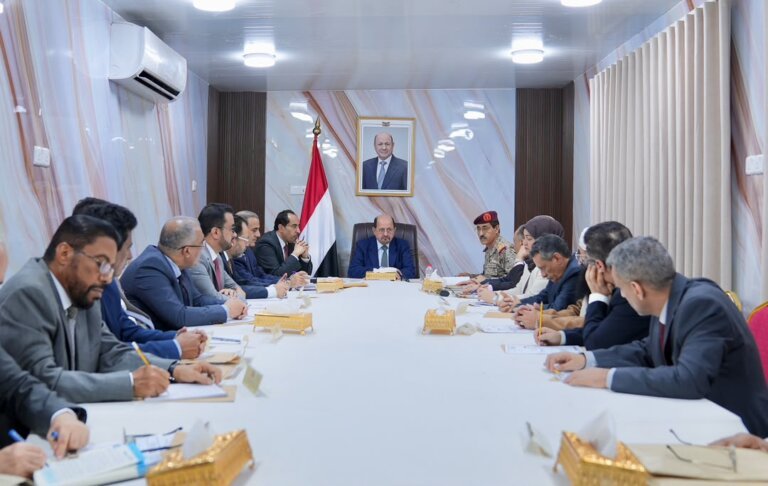
The push for security-sector unification is complicated by divisions within the leadership itself. The Presidential Leadership Council, a coalition of factions with sometimes competing agendas, has been strained by internal disputes, with some members publicly voicing frustration over decision-making. Those tensions make the task of building unified command structures harder, since genuine integration of forces requires a degree of political consensus that has often proved elusive among Yemen’s anti-Houthi camp.
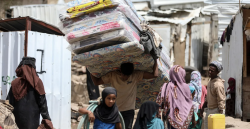
The meeting took place against the backdrop of a humanitarian emergency produced by a war that escalated in 2015. More than 18 million people are estimated to require urgent assistance, and over 4.5 million remain displaced from their homes, while recurring outbreaks of cholera and measles add to the strain on communities and services. In that environment, restoring functioning security institutions is not merely a matter of order but a prerequisite for delivering aid and rebuilding daily life.
As the Aden-based government works to regain control and restore order, the importance of effective security measures has become increasingly apparent. Better coordination among security forces could open the way to greater humanitarian access and to stability in areas that have seen a resurgence of violence and crime. Rebuilding public confidence in security institutions, many of which were damaged or discredited during the war, is widely seen as a crucial and difficult step in that long process. Aden in particular has been troubled by assassinations, factional friction and lawlessness at various points during the war, which is why the interior ministry has concentrated so much attention on stabilising the city and professionalising the forces responsible for policing it.
The strategic geography of Yemen adds a further dimension. The country sits astride the Red Sea and the Bab al-Mandab strait, waterways that are vital for international trade and energy shipments. Instability on land has direct consequences for the security of these routes, which means that efforts to strengthen internal security are closely watched not only within Yemen but by regional and international actors concerned about the safety of one of the world’s most important maritime corridors.
Al-Muharrami framed the coordination of security work as essential to preserving the gains made by the government and its allies, and to advancing the broader goal of national reconciliation. The continual adaptation of security strategies, he suggested, must go hand in hand with humanitarian efforts to ease civilian suffering. Ultimately, officials argue, a functioning security sector built on unified command, careful management of resources and respect for the rule of law will be among the decisive factors in determining whether Yemen can move toward a more stable future.
About the Author