Houthis Free Russian Sailor Held Since the Sinking of the Eternity C in the Red Sea.
 Yemen Herald News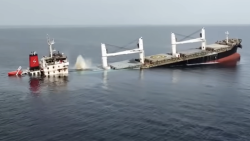
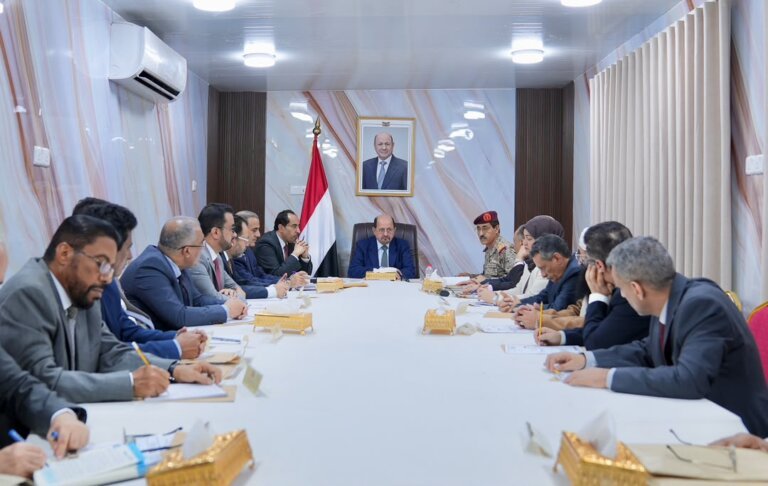
The Houthi-led authorities in Sanaa announced on Thursday, 3 April 2026, the release of a Russian sailor who had been held since July 2025, when the movement’s forces attacked and sank the commercial cargo ship Eternity C in the Red Sea. The Houthi-run foreign ministry said the seafarer left the Yemeni capital aboard a United Nations aircraft after recovering from health problems he had suffered during his months in captivity, closing one chapter of an episode that underscored the dangers facing merchant crews in one of the world’s most contested waterways.
The Eternity C, a bulk carrier operated by a Greek company, was assailed by Houthi forces in early July 2025 while sailing in the Red Sea off the Yemeni port of Hodeidah. Attacked with gunfire, explosive-laden drone boats and rocket-propelled grenades over two days, the vessel was struck on 7 July and again on 8 July, forcing the crew into the water before it went down on the morning of 9 July. It was one of the deadliest assaults on commercial shipping the Red Sea had seen during the Houthi campaign, an attack in which at least four people were presumed killed.
Of the roughly twenty-five people aboard, the crew included twenty-one Filipino seafarers and a Russian, alongside a small private security team. Rescuers pulled some survivors from the water in the days after the sinking, while the Houthis took a number of the crew ashore to what the group described as a safe location. The Russian sailor was among those held, remaining in custody for months. According to the Houthi authorities, he required medical treatment in Sanaa and had recovered before his departure, indicating he had been injured or fallen ill during the attack or the long detention that followed.
The mechanics of the release reflected the unusual diplomacy required to move people in and out of Houthi-controlled territory. The sailor flew out of Sanaa International Airport, which remains under the group’s control and operates only a limited schedule of flights. The Houthi foreign ministry said the release followed communications with the Russian side, a reminder that resolving even a single detainee’s case can require the involvement of multiple governments and international mediators.
The same UN flight that carried the released sailor also transported other passengers whom the Houthis described as stranded individuals and medical cases. With commercial air access to Sanaa severely restricted, the occasional UN-operated flights have become a rare lifeline, used both for humanitarian evacuations and, as in this case, for the movement of detainees. The dual purpose of the flight hinted at the possibility that similar arrangements could facilitate further humanitarian exchanges in the future, though nothing was confirmed.
The episode is inseparable from the Houthis’ wider campaign against Red Sea shipping. Since late 2023, the group has attacked dozens of vessels in the Red Sea and the Gulf of Aden, saying it is acting in solidarity with Palestinians in Gaza. Those attacks have forced many shipping companies to reroute vessels around the southern tip of Africa, adding time and cost to global trade and prompting a series of international naval deployments intended to protect commercial traffic through the corridor.
The strikes on the Eternity C marked a particularly lethal turn in that campaign, moving from disruption to loss of life. The attack did not occur in isolation: around the same time in July 2025, the Houthis also struck the Magic Seas, another commercial vessel in the Red Sea, in a burst of activity that ended a period of relative calm on the route and prompted renewed warnings from shipping associations and naval coalitions. The twin assaults signalled that the group retained both the capability and the willingness to hit merchant traffic despite mounting international pressure.
The diplomatic threads behind the release also illustrate the network of relationships surrounding the conflict. Iran, widely regarded as the Houthis’ principal foreign backer, was reported to have been involved in the communications that led to the handover, while Russia worked through those channels to secure the freedom of its national. The arrangement showed how outside powers with influence over the Houthis can sometimes translate that leverage into concrete humanitarian outcomes, even as the broader confrontation over Red Sea shipping continues.
For the freed sailor’s family, the announcement brought an end to a prolonged ordeal, but it also left open questions about others caught up in the same incident. Merchant crews are typically composed of nationals from several countries, and the fate of foreign seafarers can become entangled in disputes far removed from their work. The Eternity C’s manifest, spanning Filipino, Russian, Indian and Greek nationals, illustrated how a single attack can draw in a range of governments seeking to account for and repatriate their citizens.
The release is unlikely to alter the fundamental dynamics of the Red Sea crisis, which remains tied to the course of the war in Gaza and to the wider standoff between the Houthis and their adversaries. Yet each such gesture carries symbolic weight, offering a glimpse of the channels that remain open even amid hostilities. For the shipping industry, however, the episode is chiefly a reminder that the waters off Yemen remain hazardous, and that the human cost of the campaign is measured not only in vessels lost but in the seafarers who pay the price.
About the Author