Bilateral ties and regional security were topics of discussion between Yemen and Japan.
 Yemen Herald News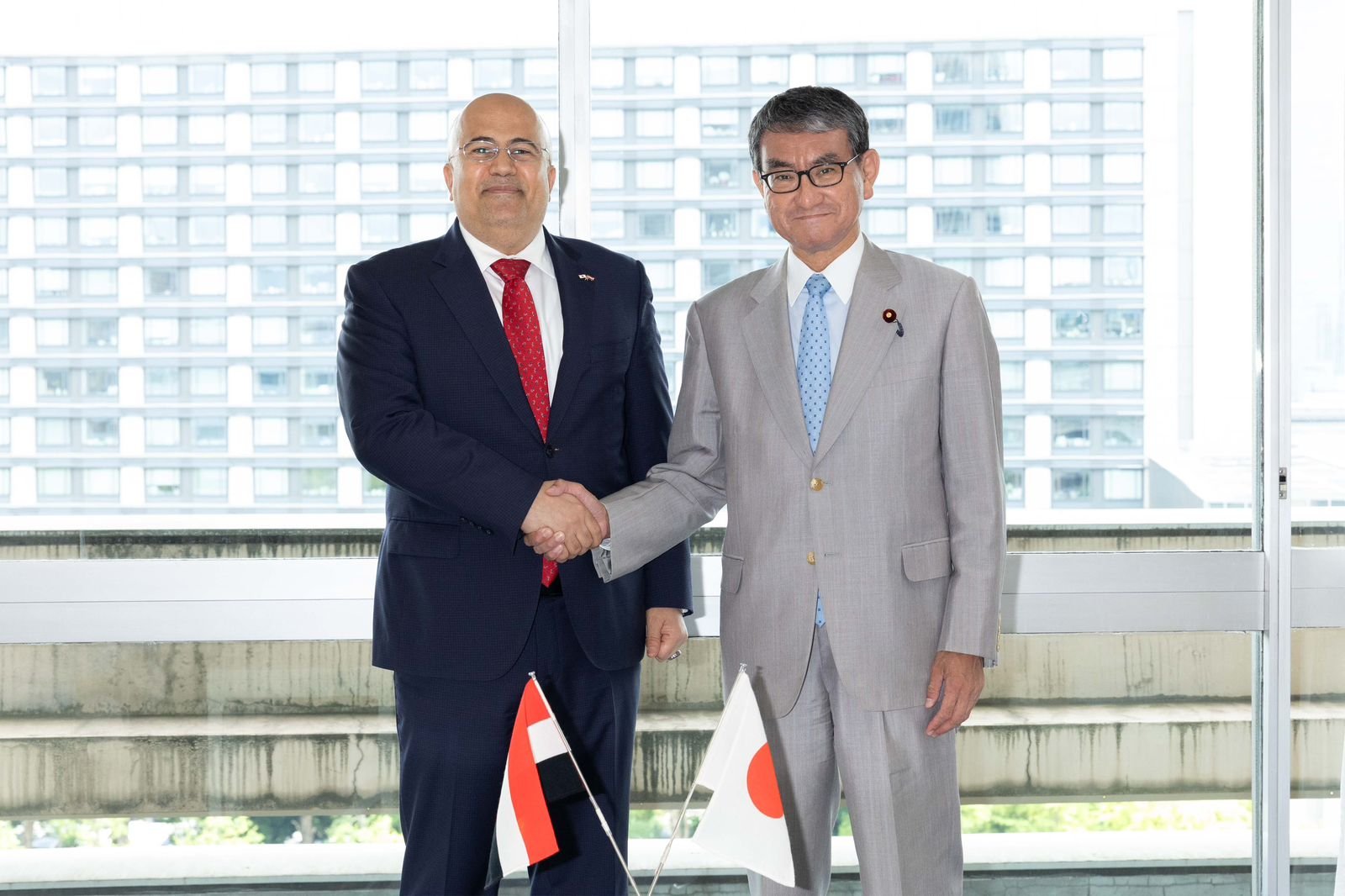
The relationship between Yemen and Japan has historically been characterized by diplomatic engagement and mutual interest, particularly in the fields of trade and security. Recent developments signal an increasing focus on the potential for deeper collaboration, especially in the wake of Yemen’s ongoing civil war that began in 2015. The conflict, primarily involving the Houthis and a coalition of regional actors led by Saudi Arabia and the United Arab Emirates, has led to one of the world’s most severe humanitarian crises, with millions of Yemenis displaced and in need of urgent assistance.
At the heart of these discussions between Yemen and Japan is the strategic geographical position of Yemen. Overlooking critical maritime routes, such as the Bab al-Mandab Strait, Yemen plays a significant role in global trade and international shipping security. This strategic importance has not gone unnoticed, as both nations recognize the necessity of maintaining safety and stability in these waters to ensure unhindered trade flows. Japan, a nation with significant maritime interests, has historically been supportive of maintaining a secure shipping environment in the region.
As Yemen’s internationally recognized government strives for recovery and stabilization amidst ongoing conflicts, international cooperation becomes increasingly essential. Global partners, like Japan, can play a pivotal role in supporting Yemen’s reform agendas, enhancing economic recovery efforts, and addressing the pressing humanitarian needs faced by millions of Yemenis. This context forms the backdrop against which recent discussions took place in Tokyo, setting the stage for potential enhanced bilateral relations.
During discussions held in Tokyo, Yemeni Ambassador Adel Al-Sunaini met with Taro Kono, a influential figure within Japan’s ruling Liberal Democratic Party and head of its foreign affairs committee. The meeting focused on several vital topics, including the importance of safeguarding international shipping routes and the pressing need for stability in the region, emphasizing Yemen’s strategic maritime role.
Ambassador Al-Sunaini expressed gratitude for the longstanding ties between Yemen and Japan, highlighting the recent advancements the Yemeni government has made in political and economic reform. The ambassador detailed the ongoing efforts to boost economic stability and institutional development in Yemen, underscoring the importance of Japanese aid in these initiatives. Particularly, there was a call for increased support from Japan to align with Yemen’s recovery and stabilization goals during the ongoing conflict, which has resulted in severe humanitarian consequences.
Another significant aspect of the discussion revolved around the challenges posed by the ongoing conflict and economic hardships that Yemen faces daily. With over 18 million people in dire need of assistance and over 4.5 million internally displaced persons, the urgency for humanitarian support remains high. As such, leveraging international partnerships is crucial for Yemen to navigate its road to recovery and rebuild its economic landscape while addressing humanitarian needs.
The meeting in Tokyo highlights several key stakeholders engaged in this dialogue between Yemen and Japan. First and foremost is the Yemeni government, represented by Ambassador Adel Al-Sunaini, indicating Yemen’s commitment to rekindling international partnerships essential for recovery efforts. This is especially pertinent given the context of the conflict that has disrupted governance and infrastructural development in Yemen.
On the Japanese side, Taro Kono’s engagement demonstrates the importance Japan places on geopolitical stability, particularly in light of its maritime interests. Kono’s role as chairman of the foreign affairs committee reflects Japan’s broader strategic initiatives focused on maintaining international shipping lanes critical to trade. His discussions with Al-Sunaini signify Japan’s readiness to leverage its diplomatic channels to bolster Yemen’s recovery and security efforts.
Other stakeholders include regional players involved in Yemen’s civil conflict, such as the Saudi-led coalition and the Iranian-backed Houthis. Their actions significantly influence Yemen’s political dynamics and the economy’s recovery trajectory. Dialogue involving external powers, including Japan, can help foster an environment for conflict resolution and stability in the region. Furthermore, humanitarian organizations working on the ground are crucial stakeholders, as they directly address the pressing humanitarian crises impacting millions of Yemenis who are grappling with displacement, food insecurity, and health issues.
The discussions between Yemen and Japan come at a critical juncture in regional politics, particularly within the geopolitical landscape of the Red Sea and the Bab al-Mandab Strait. With Yemen’s strategic positioning, the stability of its political and social fabrics is paramount not only for Yemen but also for global trade routes. A secure environment ensures the free flow of maritime traffic, which is vital for several nations, including Japan, that rely heavily on these trading corridors for energy and goods.
In a broader context, enhanced cooperation between Yemen and Japan could lead to a coalition of nations engaging in the region’s stability efforts. As global players increasingly recognize the importance of contributing to Yemen’s recovery, consistent international support entails developing joint initiatives aimed at fostering peace and stabilization. Such endeavors may involve the exchange of intelligence on maritime security and collaborative humanitarian efforts to alleviate the suffering of affected populations.
Moreover, these developments may also influence the approach of neighboring countries, including Saudi Arabia and Iran, as they monitor international partnerships emerging in Yemen. Saudi Arabia, being one of the main actors in the Yemeni conflict, has vested interests in maintaining influence within the country. Any shifts in Yemen’s foreign associations, such as increased Japanese involvement, may compel regional players to recalibrate their strategies concerning Yemen. This could potentially open channels for dialogues aimed at conflict resolution if a stable political environment starts to take shape.
The meeting between the Yemeni Ambassador and Japan’s Taro Kono underscores a significant opportunity for Yemen to enhance its bilateral relations with Japan, paving the way for beneficial support that addresses both immediate humanitarian needs and long-term developmental goals. With Japan expressing interest in securing international shipping lanes, there lies important synergy in aligning Japan’s security interests with Yemen’s developmental aspirations.
Japanese support can provide a much-needed boost to Yemen’s reconstruction efforts, which have been severely hampered by ongoing conflict and economic instability. By investing in Yemen’s recovery, Japan could help establish frameworks that encourage other nations to contribute to humanitarian aid and economic development. This would not only ameliorate the immediate humanitarian crisis but also create a conducive environment for economic investment and job creation, vital for long-term stability and peace.
There is also a significant aspect of maintaining maritime security that could influence geopolitical arrangements in the region. Japan, which has a long history of protecting its maritime interests, could collaborate with Yemen on joint initiatives aimed at safeguarding the Bab al-Mandab Strait from potential threats. This collaboration can send a clear message to regional adversaries about the commitment to maintaining secure maritime routes essential for global trade.
However, it is crucial to analyze the possible challenges that come with increased Japan-Yemen collaboration. The ongoing conflict poses risks to any foreign investments, as stability remains elusive. Furthermore, regional opposition from factions within Yemen who might perceive this as external interference must be navigated delicately. Diplomatic engagements must also ensure that they do not exacerbate existing tensions among local factions, particularly those aligned with Iran.
Looking ahead, the trajectory of Yemen-Japan relations hinges on a combination of diplomatic engagements, strategic planning, and the evolving political landscape within Yemen. At the forefront will likely be discussions centered on concrete support mechanisms that Japan can provide to Yemen. This could encompass development assistance aimed at infrastructure projects, educational initiatives, and health sector enhancements—critical components for long-term stability and recovery.
Moreover, as Japan prepares to strengthen its role in Yemen, it might also encourage other international partners to step up their involvement, creating a network of support that brings humanitarian relief and economic aid. The international community’s response to the humanitarian crisis could further be galvanized through Japan’s engagement, highlighting how global solidarity is essential for alleviating the suffering of millions of Yemenis.
As for regional implications, an improved relationship between Yemen and Japan may catalyze shifts in the ongoing conflict. There could be renewed dialogue among regional powers, enhancing collaborative efforts toward peace negotiations. If successful, such engagement would not only stabilize Yemen but could also reshape the broader geopolitical landscape in the Middle East.
Ultimately, as Yemen embraces this opportunity to elevate its ties with Japan, the focus will need to remain on ensuring that all initiatives are comprehensive and inclusive, fostering an environment conducive to peace, development, and mutual respect among all stakeholders involved. This collaborative spirit could mark a significant turning point in Yemen’s long, arduous journey toward recovery and stability.
About the Author