Yemen Herald Editorial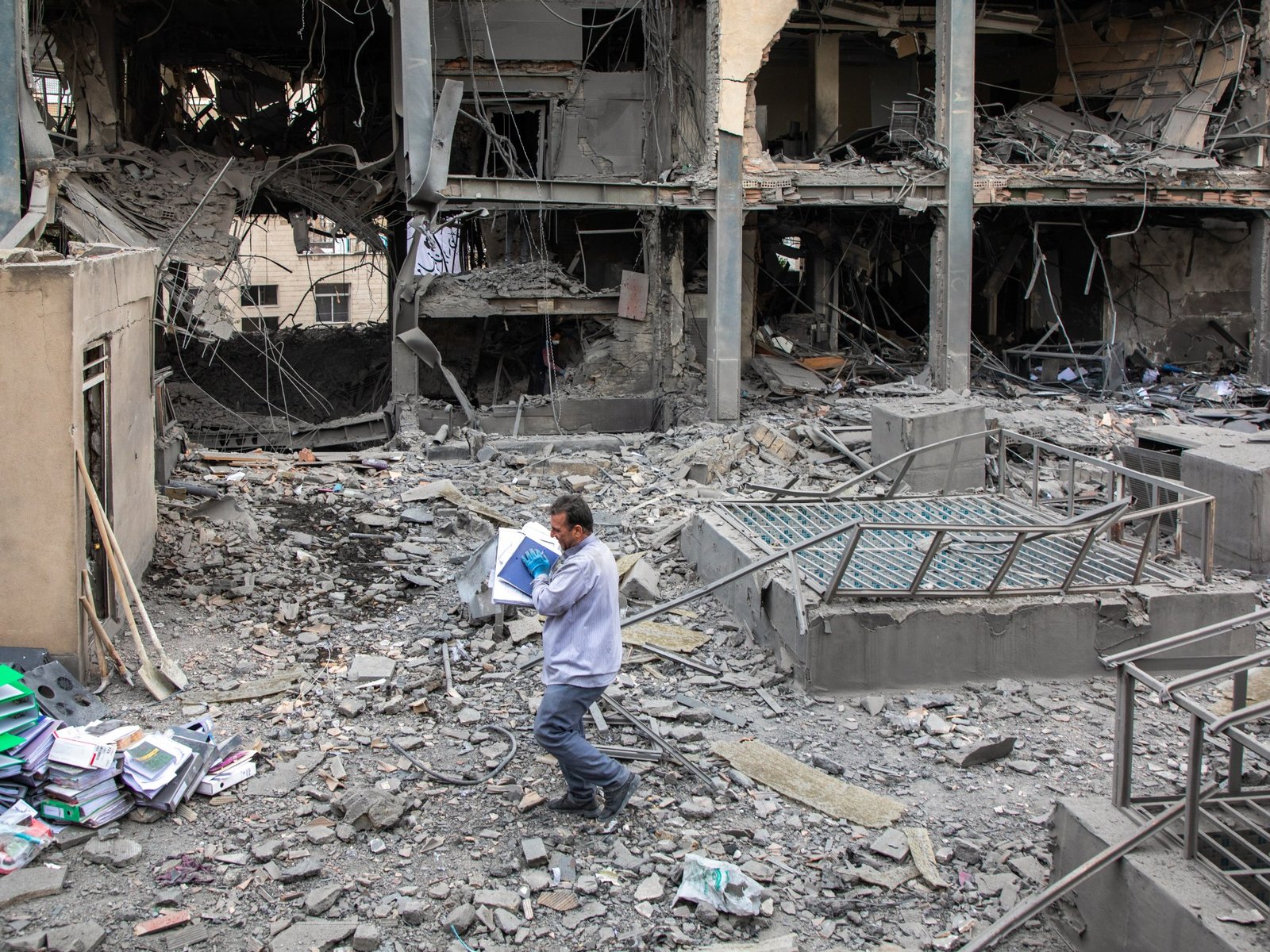
The ongoing conflict involving the United States and Israel against Iran has intensified, with significant military actions reported in various Iranian cities, including Tehran. Overnight strikes targeted critical infrastructure, leading to temporary blackouts in the capital. Iranian authorities have confirmed that power has since been restored. The Israeli military announced that it is actively attacking Iranian government infrastructure throughout Tehran, while powerful explosions were reported in the city and its surrounding areas.
In a recent interview, U.S. President Donald Trump expressed a desire to seize Iranian oil, suggesting that the U.S. could capture the Iranian export hub on Kharg Island. His comments come amid accusations from Tehran that the U.S. is planning a ground invasion while simultaneously pursuing diplomatic negotiations. Iranian parliament speaker Mohammad Bagher Ghalibaf warned that Iran is prepared to respond if U.S. troops are deployed.
The conflict has also led to domestic unrest in Iran, with government supporters continuing nightly demonstrations despite the risks posed by ongoing air raids. In a notable development, two individuals were executed for alleged collaboration with the U.S.-backed Iranian opposition group, the Mojahedin-e-Khalq (MEK). Reports indicate that attacks have occurred in multiple Iranian cities, including Karaj, Shiraz, and Tabriz, with a petrochemical facility in Tabriz reportedly hit by airstrikes.
Internationally, diplomatic efforts are underway, with Pakistan hosting talks aimed at de-escalating the conflict. Pakistani Foreign Minister Ishaq Dar indicated that discussions included potential U.S.-Iran negotiations. However, an unnamed Israeli official stated that Israel has no intention of scaling back its military operations against Iran prior to any talks, emphasizing continued strikes on military targets.
The conflict has had significant repercussions on global markets, particularly in the oil sector. Brent crude prices surged nearly 3% to $115.93 per barrel, marking a substantial increase since late February. Additionally, the U.S. has lifted sanctions on Russian oil for 30 days, allowing countries in Southeast Asia to purchase Russian oil amid a global supply crunch. This geopolitical turmoil has contributed to declines in Asian stock markets, reflecting investor concerns over the ongoing crisis.
About the Author