FIFA’s Disciplinary Probe: A Reflection of Spain’s Underlying Islamophobia and Its Geopolitical Ramifications
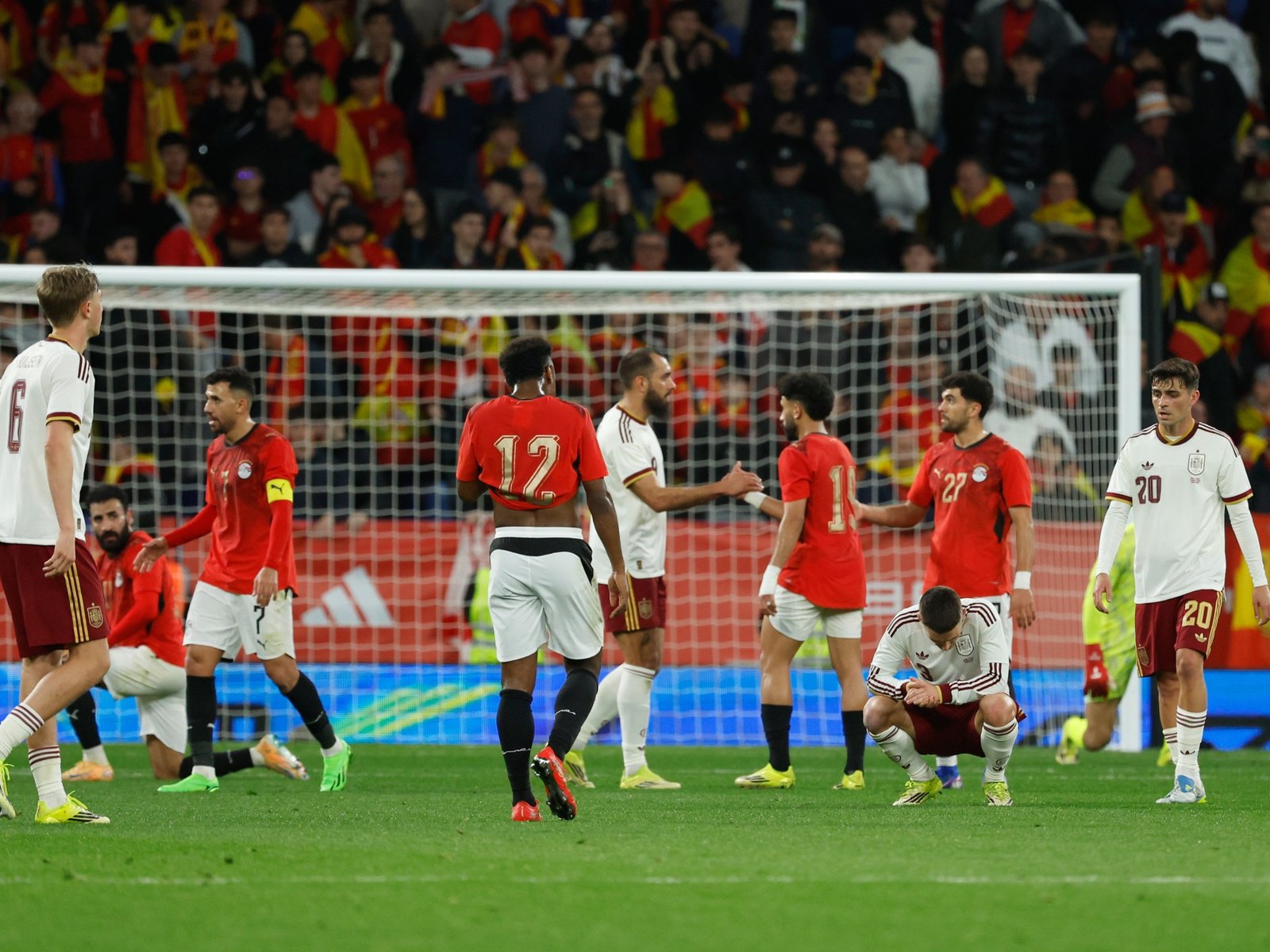
The recent disciplinary proceedings initiated by FIFA against the Spanish Football Federation over Islamophobic chants during a friendly match against Egypt are not merely a sports issue; it is a stark reflection of deeper societal tensions within Spain and the broader implications for the Middle East and Europe. This incident underscores the urgent need for a reevaluation of cultural attitudes and the potential geopolitical fallout from rising intolerance.
Spain has long been a focal point of cultural and religious intersections, particularly given its historical ties to the Muslim world. The Reconquista, which culminated in 1492, marked the end of Muslim rule in the Iberian Peninsula, but the legacy of this period continues to shape contemporary Spanish identity. In recent years, Spain has witnessed a surge in anti-immigrant sentiment, often directed towards Muslim communities, exacerbated by economic challenges and political instability. The rise of far-right parties has further polarized public opinion, leading to an environment where Islamophobia can flourish unchecked. The chants heard during the match against Egypt are symptomatic of this broader societal malaise, revealing a troubling undercurrent of xenophobia that threatens to undermine Spain’s multicultural fabric.
The incident in question occurred during a friendly match on March 31, where a section of fans chanted, “Whoever doesn’t jump is a Muslim.” This blatant display of Islamophobia prompted FIFA to open disciplinary proceedings against the Spanish FA, highlighting the governing body’s increasing intolerance for discriminatory behavior in football. Spanish Prime Minister Pedro Sanchez condemned the incident as “unacceptable,” asserting that an “uncivil minority” would not be allowed to tarnish the nation’s reputation. However, this condemnation rings hollow in light of the persistent racism and xenophobia that have marred Spanish football, particularly against players of color, such as Real Madrid’s Vinicius Junior, who has faced repeated racial abuse. The Spanish Football Federation’s condemnation of the chants, alongside the vocal criticism from players like Lamine Yamal, who himself is Muslim, indicates a growing awareness and pushback against these toxic elements within Spanish football culture.
The ramifications of this incident extend far beyond the football pitch. Politically, it places Spain in a precarious position as it grapples with its image in the international arena. The rise of Islamophobia not only alienates Muslim communities within Spain but also strains diplomatic relations with predominantly Muslim countries, particularly in North Africa and the Middle East. Economically, Spain risks losing out on tourism and investment from these regions, as perceptions of intolerance can deter visitors and investors alike. Furthermore, the incident could embolden far-right factions within Spain, leading to increased social unrest and further marginalization of minority communities. The security implications are equally concerning, as rising xenophobia can lead to radicalization and violence, creating a cycle of fear and division that undermines social cohesion.
From a geopolitical perspective, the incident serves as a reminder of the fragility of Spain’s multicultural identity in an increasingly polarized world. The rise of far-right ideologies across Europe has created a fertile ground for xenophobia, and Spain is no exception. The failure to adequately address these issues could lead to a significant shift in power dynamics within the region, as marginalized communities may seek alternative forms of representation and advocacy. Additionally, the backlash from Muslim-majority countries could lead to a reevaluation of Spain’s foreign policy, particularly regarding its historical ties to North Africa. The potential for increased diplomatic tensions could have far-reaching consequences, impacting trade, security cooperation, and cultural exchanges.
Looking ahead, Spain must confront the uncomfortable truths about its societal attitudes towards Islam and its Muslim population. The FIFA probe may catalyze broader discussions about racism and intolerance in Spanish society, but it will require sustained effort and commitment from both governmental and civil society actors to effect meaningful change. Potential scenarios include increased advocacy for anti-discrimination policies within sports and society at large, as well as a push for greater representation of minority communities in public life. However, if the current trajectory continues, Spain risks further entrenching divisions within its society, leading to a more fragmented and polarized nation.
The disciplinary actions taken by FIFA against the Spanish FA are a critical juncture for Spain, highlighting the urgent need to address the pervasive issue of Islamophobia within its borders. As the world watches, Spain must choose whether to confront its past and present prejudices or allow them to fester, potentially jeopardizing its social fabric and international standing. The outcome of this situation will not only define the future of Spanish football but also serve as a litmus test for the country’s commitment to inclusivity and tolerance in an increasingly interconnected world.
About the Author