Health minister and Doctors of the World discuss extending medical services to Yemen’s neediest districts
 Yemen Herald News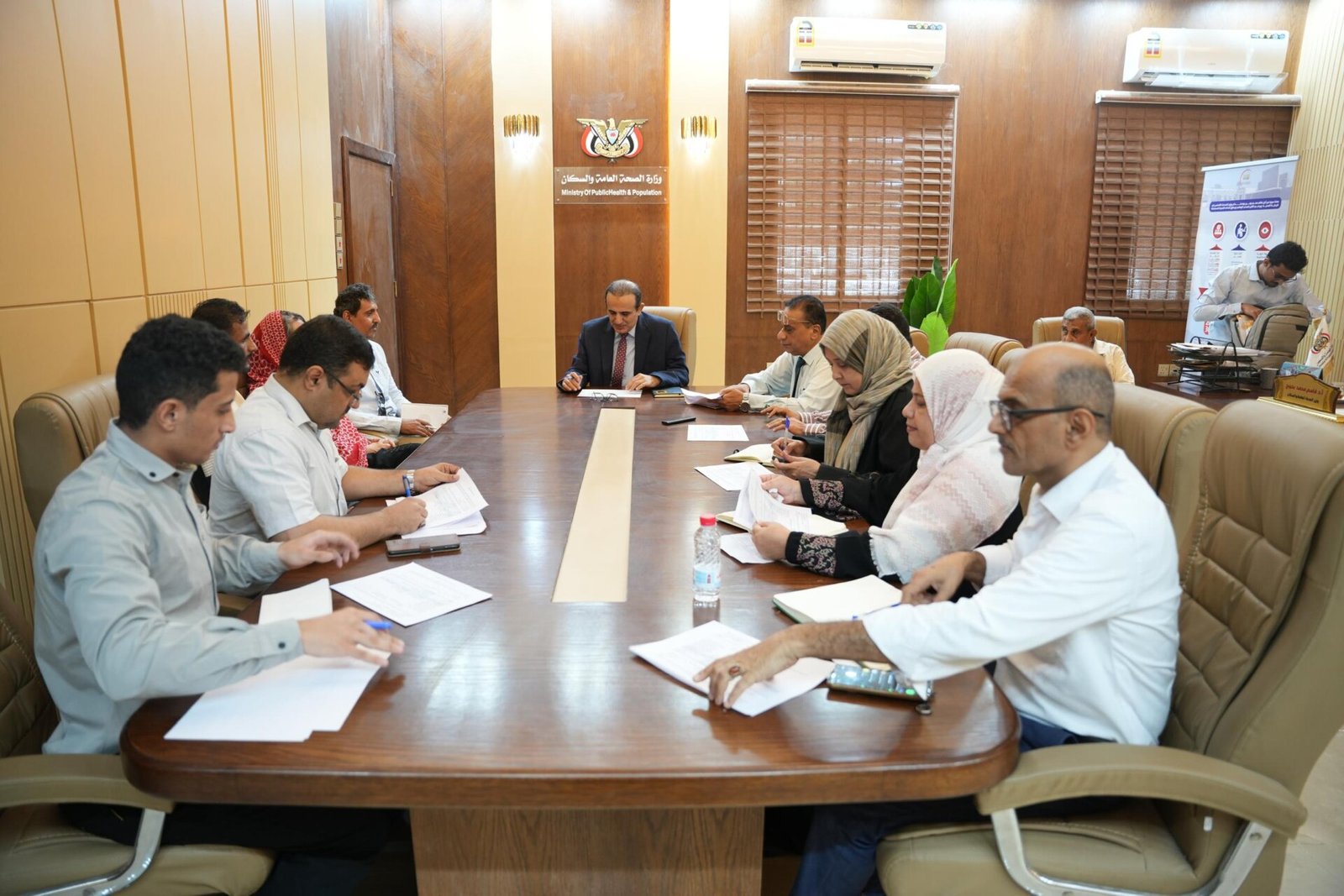
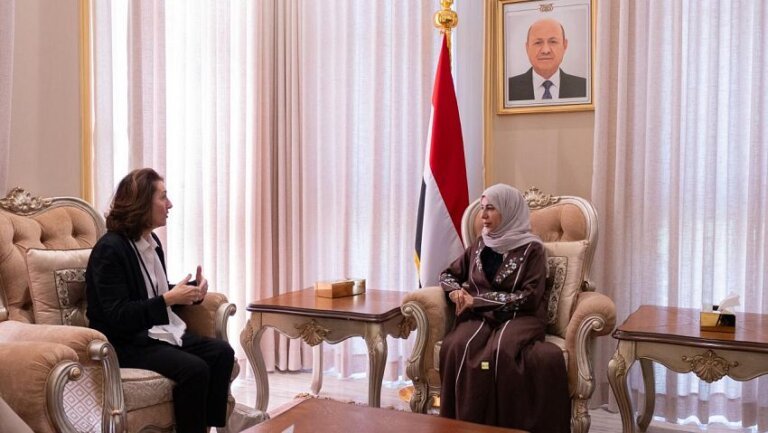
Yemen’s Minister of Public Health and Population, Dr Qasim Buhaibeh, met on Monday with the head of the Médecins du Monde France mission in Yemen to discuss widening the organisation’s medical programmes into districts the ministry considers most in need. The talks, announced by the ministry, centred on where the French humanitarian group’s existing services could be extended and how its planning should track the government’s own health priorities.
Buhaibeh told the meeting that any expansion should be built around Yemen’s National Health Strategy for 2026-2030, the framework the Aden-based government has adopted to guide the rebuilding of the health system over the coming five years. The strategy sets out a shift away from year-to-year emergency response towards longer-term institutional planning, and includes proposals for a national fund intended to put health financing on a more sustainable footing rather than leaving it dependent on annual humanitarian appeals.
The minister also pressed the case for tighter coordination between the ministry and the international organisations working alongside it. Where several agencies operate in the same governorate without a shared plan, he argued, effort is duplicated, gaps are left open elsewhere, and the ministry loses sight of what is actually being delivered on the ground. Directing partners towards the districts with the sharpest unmet need, rather than towards the areas that are simply easiest to reach, was presented as the practical test of whether coordination is working.
Médecins du Monde — Doctors of the World — is a French medical humanitarian organisation and part of an international network of national MdM associations. It has maintained a presence in Yemen for years, working alongside the health ministry on supplying medicines, training clinical staff, distributing personal protective equipment, strengthening prevention messaging and refurbishing damaged facilities. With European Union funding it turned the Azal Medical Compound into a working health service, a project it has run since 2019.
According to the ministry’s account of the meeting, the organisation said it would adapt its programming to the national health priorities the ministry has set out. Neither side published a list of the governorates under discussion, a timetable for any expansion, or a funding figure, so the practical scale of what was agreed is not yet clear.
The backdrop is a health system that has been among the heaviest casualties of a war now in its eleventh year. Since 2015 the conflict between the internationally recognised government and the Houthi movement, with regional powers involved on both sides, has damaged or destroyed hospitals, clinics and supply chains across much of the country. A large share of health facilities are only partly functional or out of service altogether, and many of those still open run short of staff, medicines, fuel and reliable power.
United Nations agencies have repeatedly described Yemen as one of the largest humanitarian caseloads in the world, with well over half the population needing some form of assistance and millions of people displaced from their homes. Funding has not kept pace: humanitarian appeals for Yemen have closed well short of their targets in recent years, forcing agencies to narrow the number of facilities they support and the range of services they can guarantee.
Weakened public health infrastructure has also left the country exposed to outbreaks of preventable disease. Health authorities and the World Health Organization have recorded repeated waves of cholera and acute watery diarrhoea, alongside measles outbreaks driven by gaps in routine childhood immunisation. Each outbreak diverts staff and supplies away from ordinary primary care, which is part of the reason the ministry has framed the 2026-2030 strategy around rebuilding baseline services rather than responding emergency by emergency.
Coordination is complicated further by the way the system is split. The ministry Buhaibeh heads answers to the internationally recognised government seated in Aden, while northern areas including the capital, Sanaa, are administered by Houthi authorities running parallel institutions. International organisations working nationwide negotiate access and approvals separately with each, which makes a single unified health plan difficult to implement in practice however it is drafted.
Buhaibeh was appointed to the health portfolio in the government announced in February 2026, and has returned regularly to the theme of international partnership since. In June he told an international gathering that cooperation across borders was an indispensable pillar of global health security, arguing that Yemen could not restore its health sector on domestic resources alone.
He has also moved on regulation. In July he issued a directive ordering tighter pharmaceutical oversight to keep smuggled, unregistered and expired medicines out of local markets, an area where enforcement had lapsed during the war and where counterfeit supply has been a persistent concern for clinicians. Rebuilding that kind of routine regulatory capacity is a less visible part of the strategy than reopening hospitals, but the ministry has treated it as inseparable from improving care.
What Monday’s meeting produces will depend on follow-through. The ministry did not announce a joint working group, a review date or any mechanism for tracking whether the organisation’s activities are in fact redirected towards the districts identified as priorities. For now the meeting registers as a statement of intent from both sides, in a sector where intent has often outrun the resources available to act on it.
About the Author