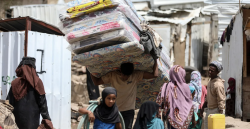
Houthi artillery shells strike civilian areas
 Yemen Herald News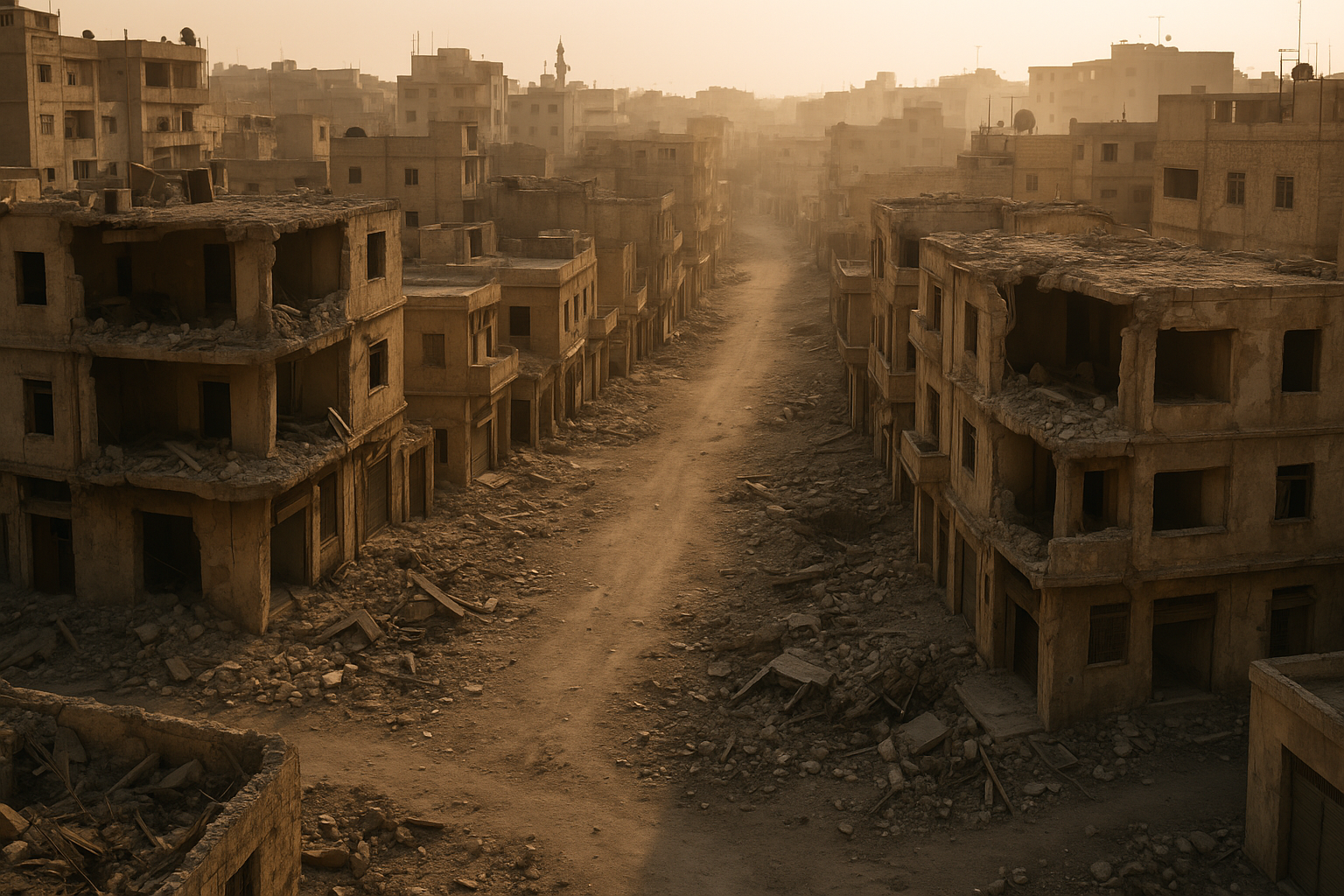
Yemen has been engulfed in a violent civil war since 2015, leading to a catastrophic humanitarian crisis that has claimed countless lives and displaced millions. The conflict primarily involves the Iran-backed Houthis, which seized control of the capital, Sana’a, while the internationally recognized government, supported by a Saudi-led coalition, has retreated to Aden. This protracted war has turned Yemen into a theater for regional power struggles, where geopolitical interests further complicate the plight of ordinary citizens.
The Houthis, officially known as Ansar Allah, have positioned themselves as a significant force in the conflict, receiving backing from Iran. In contrast, the coalition, which includes Saudi Arabia and the United Arab Emirates, seeks to restore the government led by President Abdrabbuh Mansur Hadi. Various dynamics in the fight from both sides, such as troop movements and artillery exchanges, paint a picture of a deeply fragmented nation grappling with instability and violence on multiple fronts.
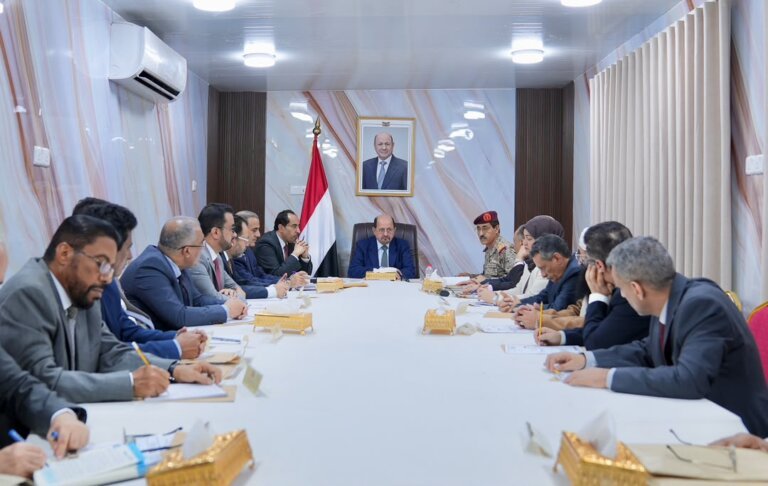
Houthi Forces and Government
The ongoing conflict has devastated infrastructure and hampered access to basic services, exacerbating Yemen’s long-standing humanitarian issues. Over 18 million people require urgent assistance, with more than 4.5 million internally displaced persons (IDPs) struggling in precarious conditions. Outbreaks of diseases like cholera and measles regularly disrupt already limited healthcare services, highlighting the dire consequences of the war on public health and the overall well-being of the Yemeni population.
International responses to the crisis have been varied, with calls for ceasefires often being ignored and sporadic peace talks failing to bring about a sustainable solution. As the conflict continues unabated, the humanitarian situation remains precarious, with civilians enduring the brunt of violence, including extensive bombardments of residential areas, as seen recently in Taiz
Humanitarian Crisis Overview
In a recent assault, the Houthi militia targeted civilian areas within the Al-Qariyah neighborhood, situated in the Usaifirah district north of Taiz City, using artillery shelling that struck homes and caused significant damage. Local reports indicate that the bombardment resulted in various levels of destruction to private properties, emphasizing the ongoing threat to civilian life. Such repeated attacks highlight an alarming trend of escalating violence against densely populated neighborhoods in Taiz.
The targeted nature of these assaults has raised concerns among residents and human rights organizations. The escalation of violence against civilian areas signifies a blatant disregard for the safety and security of non-combatants, raising critical questions about the militia’s commitment to international humanitarian law. The continuous targeting of urban centers illustrates the complexities of the conflict and the challenges faced by those caught in the crossfire.
Civilian Impact of Violence
These acts of aggression are not isolated incidents but rather part of a broader pattern in the Houthi’s military strategy. By inflicting damage on civilian neighborhoods, the militia aims to exert pressure on the government and its coalition allies, potentially hoping to undermine morale within the populated areas of Taiz. The ramifications of such attacks extend beyond immediate physical damage, creating an atmosphere of fear and instability among affected communities.
As the conflict’s dynamics evolve, the humanitarian consequences remain stark. The constant threat of violence prevents families from leading secure lives, forcing many to flee their homes, seek shelter in makeshift camps, or endure the dangers and challenges of urban life under siege. Civilians, often the most vulnerable in times of war, find themselves directly impacted by the Houthis’ military operations, which do little to advance any peace process.
The key stakeholders in this ongoing conflict include the Houthi militia, the Yemeni government, the Saudi-led coalition, and the civilian population bearing the brunt of the violence. The Houthis have established themselves as a formidable force, with an extensive military apparatus and social support networks that have allowed them to maintain control over significant portions of Yemen, particularly in the north. Their operations are often viewed through the lens of their allegiance to Iran, which provides them with military and logistical support.
On the other side, the internationally recognized government of Yemen, situated in Aden, represents legitimate authority and is striving to regain control over territory lost to the Houthis. The government is backed by the Saudi-led coalition, which seeks to restore this authority as a stabilizing force in the region. However, internal divisions within the coalition and between various factions of the Yemeni military complicate efforts to mount a unified front against the Houthis.
Civilian populations are perhaps the most crucial stakeholders in this conflict. They are often caught in the crossfire, subjected to violence, displacement, and a lack of basic services as a result of ongoing military operations. The plight of the Yemeni people has drawn international attention, yet tangible solutions remain elusive as humanitarian access is often hampered by the conflict’s fluid dynamics.
Key Stakeholders in Conflict
Local organizations and international bodies are also significant players in this landscape, advocating for humanitarian aid and striving to address the growing needs of those affected by the war. Nevertheless, the escalating violence complicates these efforts and poses challenges to delivering necessary assistance to vulnerable populations.
The conflict in Yemen resonates beyond its borders, influencing regional dynamics significantly. The Houthis’ adherence to an Iran-aligned ideology positions them as a proxy for Tehran in a broader power struggle, notably impacting relations among Gulf states. Saudi Arabia views the Houthis not merely as a local insurgent group but as an extension of Iranian influence on its southern border, prompting its military intervention to curtail such influence.
Regional Implications of War
This regional confrontation has significant implications for security in the Arabian Peninsula. The conflict has the potential to escalate into broader regional hostilities, particularly given the Houthis’ capabilities to launch missiles and drones toward Saudi targets. Such attacks have raised alarms in Riyadh and among its allies, leading to increased military readiness and surveillance in the region.
Furthermore, the humanitarian fallout from the war is felt across the Gulf, with rising numbers of refugees and IDPs straining the resources of neighboring countries. The international community continues to call for urgent action, as the ongoing crisis threatens to exacerbate existing tensions within the region, fueling nationalism, and sectarian divides.
As the Houthis persist in their military strategy, their actions contribute to the broader narrative of Iran’s regional ambitions. The situation in Yemen illustrates how local conflicts can serve as flashpoints in the geopolitical chess game played by senior regional powers, underscoring the complexities and interconnectedness of Middle Eastern conflicts.
The recent attack on the Al-Qariyah neighborhood reflects a deepening cycle of violence that engulfs the civilian population in Yemen and raises questions about the Houthis’ strategic objectives. As civilian neighborhoods become primary targets of bombardment, it suggests a shift in tactics aimed at undermining governmental authority and resilience within the civilian fabric of society. Such tactics are not only concerning for immediate safety but also threaten to erode any glimmers of peace on the horizon.
While the Houthi militia is gaining notoriety for these aggressive operations, the continued assaults further alienate them from potential peace negotiations. Put simply, the risks associated with aggressive behavior—in this case, towards civilian populations—could have dire consequences not just for their political legitimacy but also for the broader peace initiatives in the region. With civilian casualties rising and living conditions deteriorating, more Yemeni citizens are likely to demand accountability and seek alternative governance.
The uncertainty surrounding the ongoing conflict poses a myriad of challenges for humanitarian organizations. Access to affected communities is crucial; however, consistent and escalating violence poses barriers to aid delivery. The increasing desperation among the population could lead to a greater willingness to resist or oppose the Houthis, potentially fostering civil unrest that could further destabilize the region.
Ultimately, the future of the conflict hinges on the ability of local actors to navigate this volatile environment while seeking avenues for diplomacy. Potential diplomatic solutions would require a genuine commitment from all stakeholders to engage in constructive dialogue aimed at addressing fundamental grievances, ensuring civilian protection, and curbing military hostilities
Going forward, the situation in Taiz and Yemen at large is likely to remain grave if current trends continue. The international community will need to reaffirm its commitment to address the humanitarian crisis and press for an immediate cessation of hostilities. Without firm action, the ongoing violence will further entrench the humanitarian catastrophe affecting millions, undermining hopes for recovery.
Diplomatic initiatives may find some traction if underpinned by pressure on the actors involved, particularly the Houthis. For sustainable peace to emerge, external powers, including regional stakeholders like Saudi Arabia and Iran, must recognize the dangers of escalation and pursue avenues that prioritize Yemeni lives above military objectives.
While the immediate focus remains on neutralizing the security threats emerging from the conflict, greater emphasis must be placed on rebuilding trust among Yemeni factions and fostering inclusive dialogue. Only through comprehensive engagement strategies can a modicum of stability be established, enabling humanitarian assistance to reach those in dire need while laying the groundwork for a durable cessation of hostilities.
In conclusion, the urgency of addressing the violence in Taiz and across Yemen cannot be overstated. The actions of the Houthi militia may be aimed at consolidating power but at what cost? As the crisis continues to unfold, all eyes will remain vigilant for any shifts that could lead to an awakening of genuine peace initiatives, paving the way for a resolution that secures the future of Yemen and its resilient people.
About the Author