Al-Subaihi Marks Lahj’s Historic Role as New Governor Takes Office
 Yemen Herald News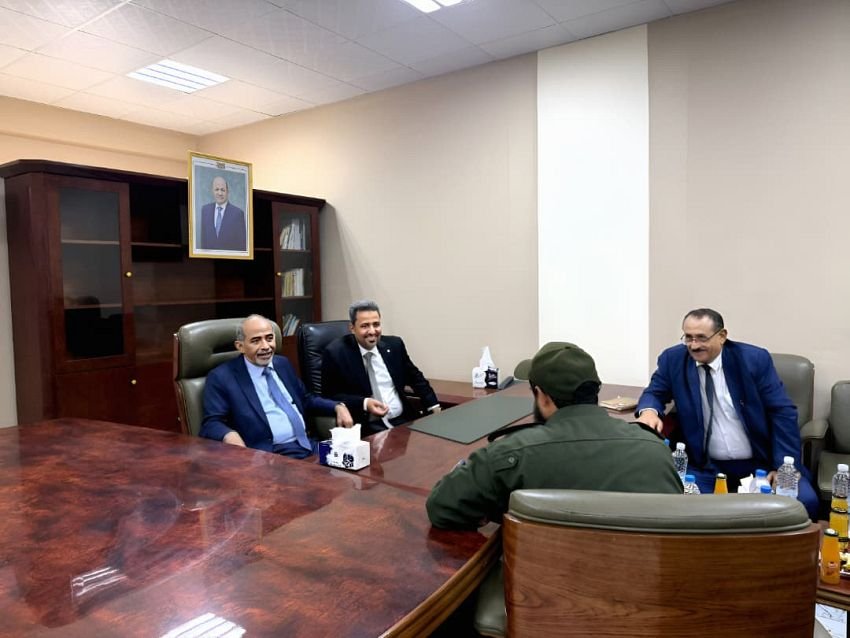
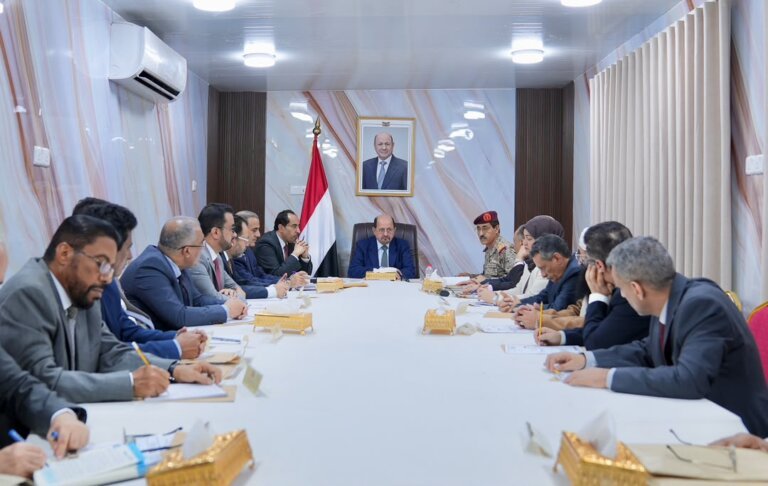
Lieutenant General Mahmoud al-Subaihi, a member of Yemen’s Presidential Leadership Council, has paid tribute to the historic role of Lahj governorate in the country’s national story, praising its contribution to some of the defining moments of modern Yemeni history. He made the remarks on Wednesday during a ceremony marking the handover of the governorship, as Murad al-Halimi formally assumed the post from his predecessor, Major General Ahmed Turki.
Al-Subaihi singled out Lahj’s part in the 14 October Revolution of 1963 and in the defence of the 26 September Revolution of 1962, two events that occupy a central place in the national consciousness. The former marked the beginning of the armed struggle against British colonial rule in the south, while the latter overthrew the centuries-old imamate in the north and established a republic, together reshaping the course of Yemeni history.
The handover ceremony marked a transition in local leadership, and al-Subaihi used the occasion to stress the importance of continuity and collaboration within the governorate’s administration. Orderly transfers of authority, he suggested, are essential to maintaining the stability of institutions and to ensuring that the work of governance continues uninterrupted despite changes at the top.
In his address, al-Subaihi pledged ongoing support to the local authority in Lahj and underscored the need for collective effort to foster security and stability in the region. He described such stability as a prerequisite for advancing the development initiatives on which the welfare of residents ultimately depends, linking the maintenance of order to the prospect of tangible improvements in daily life.
Lahj occupies a strategically and historically significant position in southern Yemen. Lying to the north of the interim capital, Aden, the governorate has long been intertwined with the political and social currents of the south, and its territory and people have featured prominently in the region’s struggles for self-determination and its subsequent political evolution.
The invocation of the 1962 and 1963 revolutions carried a resonance that extends well beyond ceremony. These anniversaries are commemorated across Yemen as symbols of national liberation and republican values, and references to them serve to connect present-day leaders and institutions to a shared heritage of sacrifice and struggle that continues to shape political identity.
By honouring Lahj’s contribution to these events, al-Subaihi sought to reinforce a sense of pride and continuity at a moment of transition. Such framing can strengthen the legitimacy of local institutions and remind residents of the governorate’s historic importance, fostering a sense of shared purpose as new leadership takes the reins.
The emphasis on collaboration reflects a recurring theme in the government’s approach to local governance. With authority in Yemen dispersed and the state weakened by years of conflict, cooperation between national and local institutions has become essential to maintaining order and delivering services. The presence of a Presidential Leadership Council member at the ceremony signalled the importance attached to the governorate.
Security and stability, which al-Subaihi identified as priorities, remain pressing concerns across much of Yemen. In the south, as elsewhere, the challenges of maintaining order are considerable, shaped by the legacy of conflict, competition among various factions and the strain placed on institutions by prolonged crisis. Sustaining stability in governorates such as Lahj is therefore no small undertaking.
The new governor, Murad al-Halimi, assumes responsibility for a governorate facing the familiar difficulties of post-conflict administration, from rebuilding infrastructure to delivering basic services and fostering economic opportunity. His predecessor, Major General Ahmed Turki, handed over an administration whose effectiveness will shape the daily lives of the governorate’s residents.
Handover ceremonies of this kind provide an opportunity not only to mark the change of leadership but to reaffirm the priorities and commitments of the government. The pledges of support offered by al-Subaihi reflect an effort to ensure that the transition is accompanied by continuity of purpose and by the backing of national institutions.
Development initiatives, referenced as the ultimate goal of stability, encompass the broad range of efforts needed to improve conditions in the governorate. From infrastructure and services to economic revival, these undertakings depend on a secure environment and on effective, well-supported local administration capable of planning and implementing projects over time.
The ceremony formed part of the ordinary rhythm of governance that continues even amid Yemen’s wider difficulties, a reminder that the machinery of the state, however strained, endures. Transitions in local leadership, conducted with due ceremony and with the participation of senior figures, contribute to a sense of institutional continuity that is itself valuable in uncertain times.
Beyond its revolutionary heritage, Lahj has long been known as one of southern Yemen’s more fertile regions, its valleys and farmland historically supporting agriculture that fed Aden and the surrounding areas. That economic dimension gives the governorate a significance that is not merely symbolic, and reviving its productive capacity forms part of the wider development ambitions referenced at the ceremony. For a region shaped by both a proud history and pressing contemporary needs, the transition in leadership carried weight on several levels at once.
Whether the aspirations expressed at the handover translate into concrete gains for Lahj will depend on the new governor’s stewardship, the support he receives and the evolution of the broader situation. For now, al-Subaihi’s remarks offered both a tribute to the governorate’s storied past and an expression of hope for its future, framing the transition as an occasion for renewed commitment to security, stability and development.
About the Author