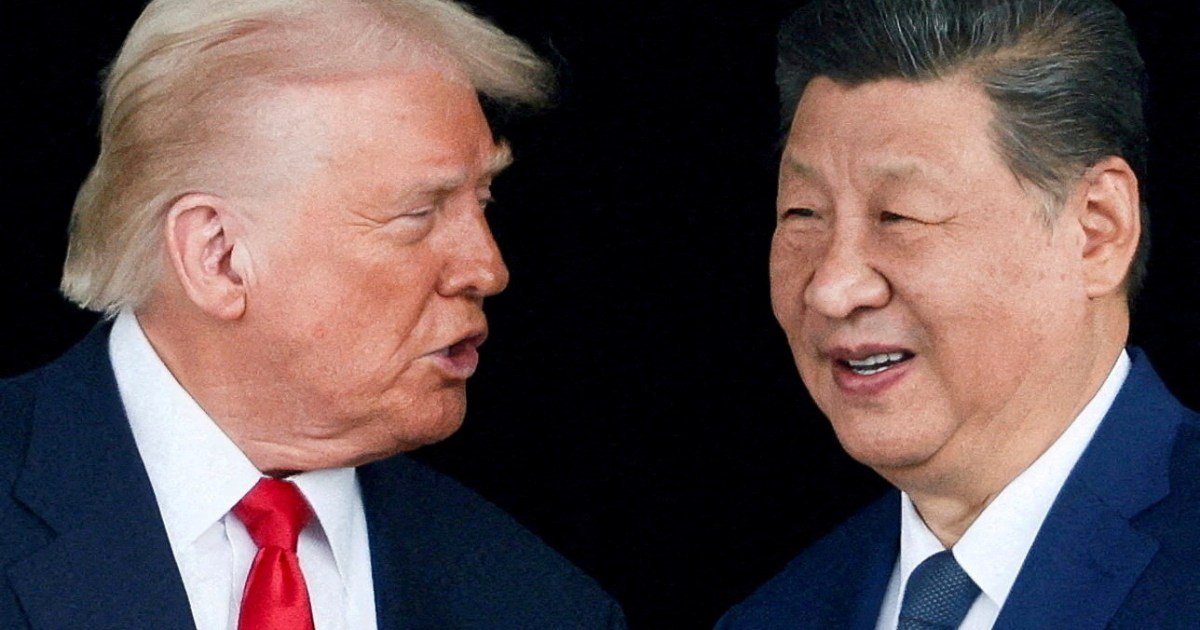
The impending meeting between US President Donald Trump and Chinese President Xi Jinping in May 2026 is not merely a diplomatic engagement; it is a pivotal moment that could redefine the geopolitical landscape, particularly in the context of the Middle East and its intricate ties to global economic stability.
The relationship between the United States and China has been characterized by a complex interplay of competition and cooperation. As the world’s two largest economies, their interactions significantly influence global trade dynamics, security alliances, and economic policies. The backdrop of this meeting is marked by ongoing tensions in the Middle East, particularly the US-Israel conflict with Iran, which has implications for energy markets and regional stability. The US’s strategic interests in the region are intertwined with its economic relationship with China, especially regarding critical resources like rare earth minerals, which are essential for technology and defense industries.
The ramifications of the Trump-Xi meeting extend beyond bilateral relations; they resonate throughout the Middle East and beyond. A stable US-China relationship could lead to more predictable global markets, which is essential for oil-dependent economies in the region. Conversely, any sign of instability or confrontation could exacerbate existing tensions, particularly in oil markets, where prices are sensitive to geopolitical shifts. The potential for a US-China trade board to facilitate sustainable exchanges without compromising national security interests could also set a precedent for how global trade is conducted in a multipolar world, impacting regional players who rely on both economies.
The strategic implications of this meeting are profound. The US’s focus on securing rare earth minerals from China while simultaneously exploring alternative supply chains indicates a recognition of the need for diversification in critical resources. This approach not only mitigates risks associated with over-reliance on a single source but also positions the US to better navigate the geopolitical landscape shaped by China’s growing influence. Furthermore, the discussions around investment mechanisms highlight the cautious optimism in US-China relations, suggesting that both nations are aware of the stakes involved and are willing to engage in dialogue to prevent economic fallout that could destabilize the global order.
Looking ahead, the outcomes of the Trump-Xi meeting will likely set the tone for future interactions between the two powers. If successful, it could lead to a framework for cooperation that addresses mutual concerns while allowing for competitive elements to coexist. However, should the meeting falter, it could trigger a cascade of retaliatory measures, further straining relations and impacting global markets. The potential for increased investment from Chinese firms in the US, particularly in the electric vehicle sector, could also reshape the automotive landscape, prompting a reevaluation of how the US approaches foreign investment in critical industries.
The upcoming meeting between Trump and Xi is a critical juncture that could either reinforce a fragile stability or plunge the US-China relationship into deeper conflict. The implications for the Middle East are significant, as regional economies are closely tied to the health of global trade and energy markets. As both leaders navigate this complex landscape, the choices they make will resonate far beyond their borders, shaping the geopolitical and economic realities of the coming years.
About the Author