The Mediterranean Migrant Crisis: A Humanitarian Catastrophe with Geopolitical Ramifications
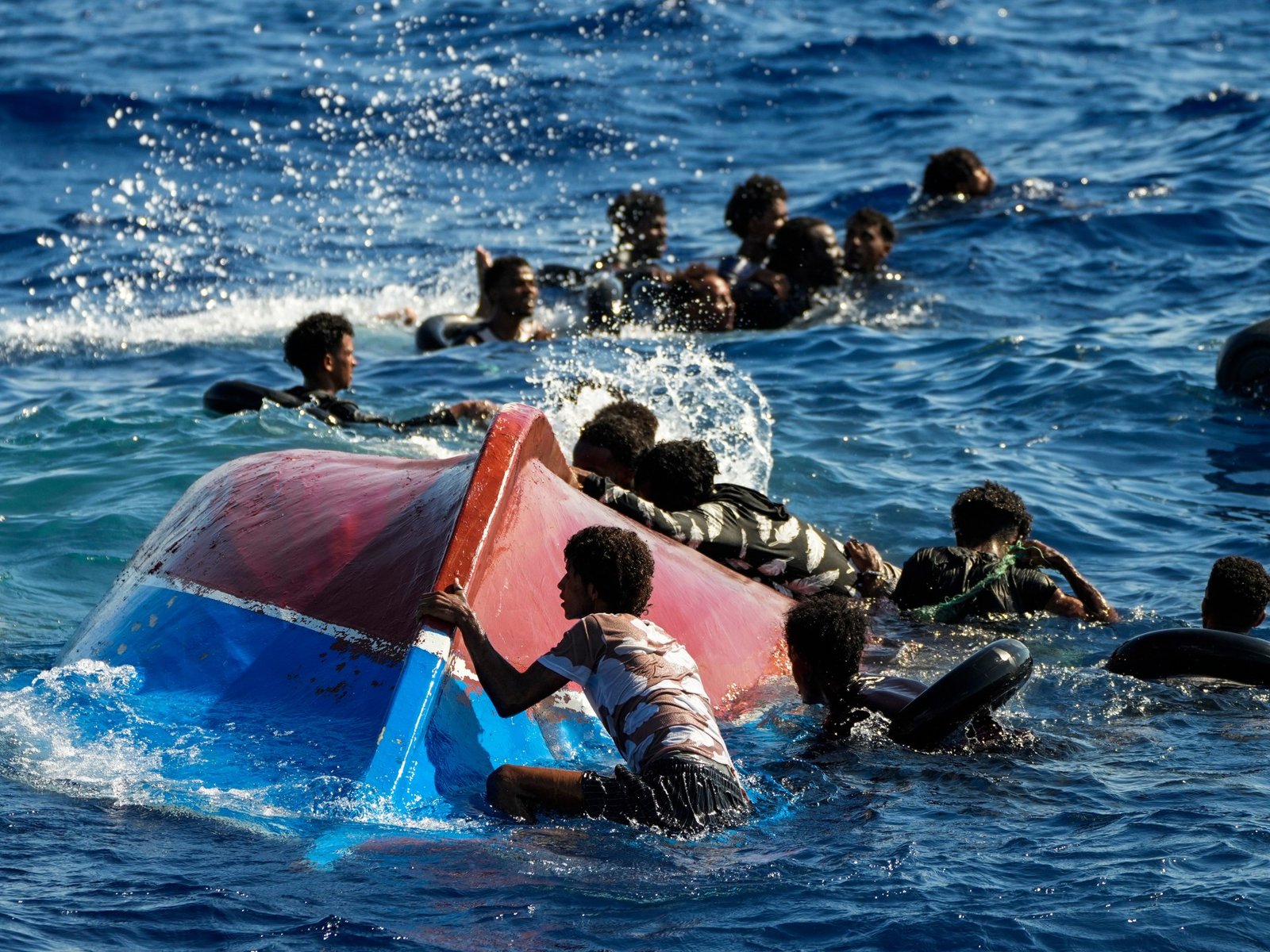
The alarming rise in migrant deaths in the Mediterranean, nearing 1,000 in just the first few months of 2026, underscores a humanitarian crisis that transcends borders and demands urgent geopolitical attention. The implications of this tragedy extend far beyond the immediate loss of life, affecting regional stability, international relations, and the socio-economic fabric of Europe and North Africa.
The Mediterranean Sea has long been a perilous route for migrants fleeing conflict, poverty, and persecution in their home countries. Libya, in particular, has emerged as a central hub for these desperate journeys, a legacy of the chaos that ensued following the overthrow of Muammar Gaddafi in 2011. The ongoing instability in Libya has created a vacuum that traffickers exploit, leading to a surge in the number of individuals risking their lives to reach Europe. The International Organization for Migration (IOM) has reported that 2026 is on track to be one of the deadliest years on record, with over 990 deaths already documented. This crisis is not merely a statistic; it represents the culmination of failed policies, regional conflicts, and the dire need for a comprehensive approach to migration management.
Recent reports indicate that more than 180 individuals are feared dead or missing in a series of shipwrecks across the Mediterranean in just the past ten days. The IOM has highlighted that approximately 765 deaths have occurred in the Central Mediterranean alone, a staggering increase compared to the same period last year. The latest incidents include a tragic capsizing off the coast of Libya, where over 80 migrants went missing due to rough weather conditions. These developments are not isolated; they reflect a broader trend of increasing mortality rates among migrants attempting to cross one of the world’s most dangerous seas. The tiny island of Lampedusa remains a focal point in this crisis, serving as the primary entry point to Europe for those fleeing North Africa, yet it is also a site of immense suffering and loss.
The rising death toll in the Mediterranean has profound political and economic implications. Politically, it exacerbates tensions within the European Union, as member states grapple with how to respond to the influx of migrants. Countries like Italy and Greece, which bear the brunt of this crisis, are increasingly frustrated with what they perceive as a lack of solidarity from their European partners. This has led to calls for a more unified and humane approach to migration, but the political will to implement such changes remains elusive. Economically, the crisis places additional strain on already burdened social services in host countries, leading to rising anti-immigrant sentiment and potential instability. The humanitarian aspect cannot be overlooked; each death represents a failure of international systems to protect the most vulnerable among us.
The Mediterranean migrant crisis is a complex interplay of geopolitical interests, humanitarian needs, and security concerns. The rise of trafficking networks in Libya is not merely a byproduct of local instability; it is a symptom of broader geopolitical dynamics, including the involvement of external powers in the region. As European nations seek to bolster their borders and deter migration, they inadvertently empower these networks, creating a vicious cycle of exploitation and tragedy. Furthermore, the ongoing conflicts in the Middle East and North Africa continue to drive people towards perilous journeys. The international community must recognize that addressing the root causes of migration—such as conflict resolution, economic development, and human rights protections—is essential to mitigating this crisis. Failure to do so risks further destabilizing the region and increasing the flow of migrants.
Looking ahead, several scenarios could unfold as the Mediterranean migrant crisis continues to escalate. If current trends persist, we may see an increase in deaths as more individuals attempt to cross the sea in search of safety and opportunity. This could lead to heightened tensions between European nations and North African states, as the latter may be pressured to take more responsibility for managing migration flows. Alternatively, if the international community can come together to implement comprehensive migration policies that prioritize humanitarian assistance and the dismantling of trafficking networks, there is potential for a more stable and humane approach to migration. However, this requires a level of cooperation and commitment that has been lacking thus far.
The mounting death toll in the Mediterranean is not just a statistic; it is a clarion call for action. The geopolitical ramifications of this crisis are profound, affecting regional stability, international relations, and the very fabric of European society. As we approach the midpoint of 2026, the urgency for a coordinated response has never been greater. The international community must prioritize the protection of human life and dignity, addressing the root causes of migration while ensuring that those who seek refuge are treated with compassion and respect. The time for decisive action is now; the lives of thousands hang in the balance.
About the Author