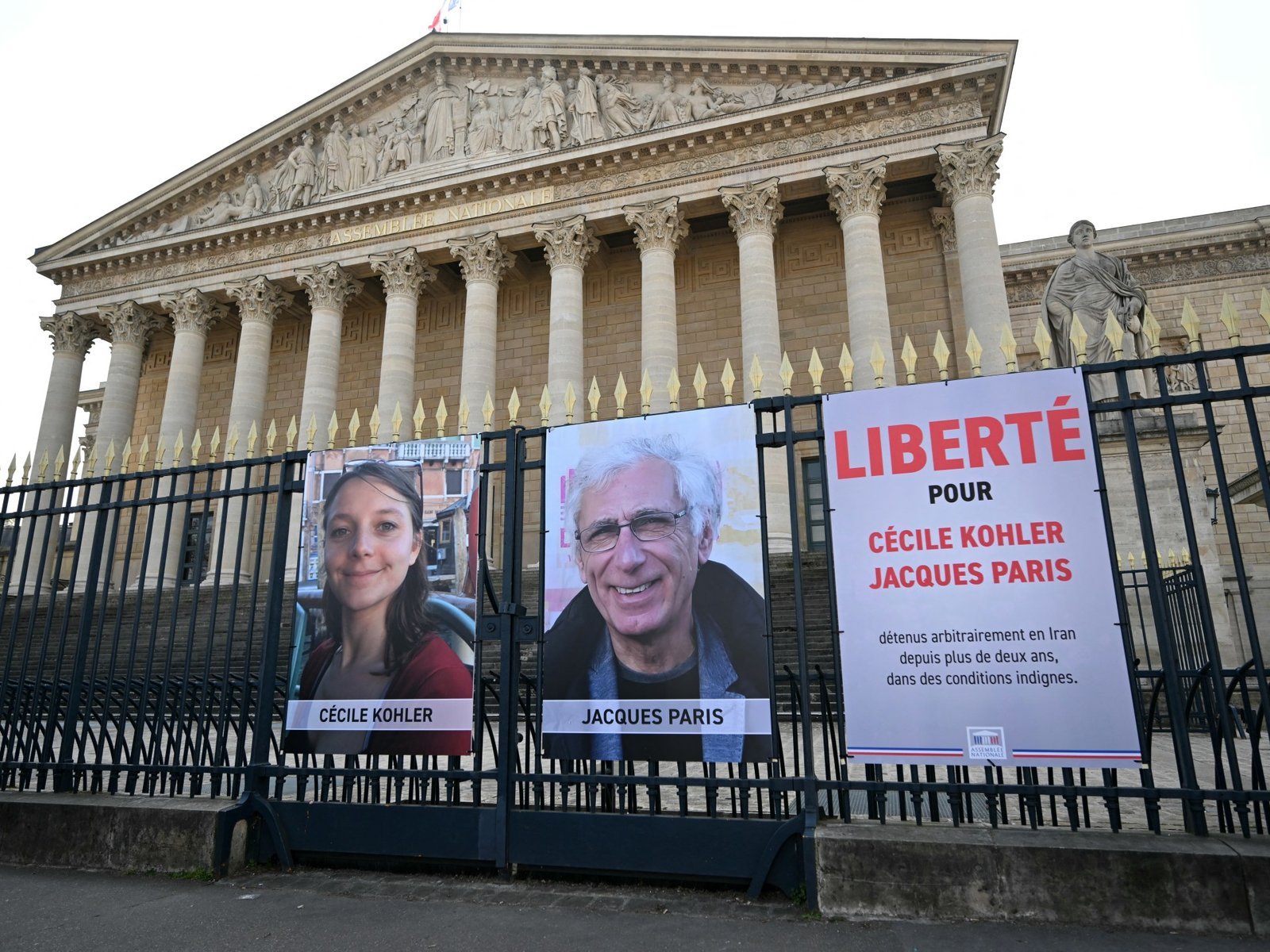
The recent return of French nationals Cecile Kohler and Jacques Paris from Iran marks a significant turning point in the complex geopolitical landscape of the Middle East. Their release not only highlights the shifting dynamics between Iran and Western nations but also underscores the intricate web of diplomacy that could reshape regional alliances and tensions.
The detention of Kohler and Paris in 2022 on charges of espionage for France and Israel was emblematic of Iran’s broader strategy of leveraging foreign nationals as bargaining chips in its geopolitical negotiations. This tactic has been characterized by many analysts as a form of “hostage diplomacy,” aimed at extracting concessions from Western powers amid escalating tensions over Iran’s nuclear ambitions and its contentious relationships with the United States and Israel. The backdrop of their release is a period marked by heightened scrutiny of Iran’s actions, particularly in light of the ongoing conflicts in the region and the international community’s response to its nuclear program.
The implications of this release extend far beyond the personal relief of the families involved. Politically, it represents a potential shift in France’s approach to Iran, moving from a stance of condemnation to one of engagement. This could embolden Iran to continue its strategy of hostage diplomacy, knowing that such tactics can yield tangible results. Economically, the release coincides with critical developments in the Strait of Hormuz, a vital artery for global oil shipments, where Iranian actions have already caused significant disruptions. The return of French nationals may also pave the way for renewed discussions on energy security, particularly as the West grapples with rising energy prices exacerbated by geopolitical tensions.
From a strategic standpoint, the release of Kohler and Paris could signal a recalibration of alliances in the Middle East. France’s willingness to engage with Iran, even amidst ongoing tensions, may position it as a key player in future negotiations regarding Iran’s nuclear program and regional security. However, this approach carries risks; it could alienate France from its traditional allies, particularly the United States and Israel, who may view any rapprochement with Tehran as a betrayal of their interests. Moreover, the Iranian regime’s history of using hostages as leverage raises concerns about the long-term viability of such diplomatic overtures. The potential for miscalculation on either side could lead to further escalation of tensions, particularly if Iran perceives any weakness in Western resolve.
Looking ahead, several scenarios could unfold. If France continues to engage with Iran, we may see a gradual normalization of relations, potentially leading to broader discussions on regional security and nuclear non-proliferation. However, this path is fraught with challenges, as hardliners in both Iran and the West may resist any form of compromise. Alternatively, if Iran perceives this release as a sign of weakness from the West, it may double down on its aggressive posturing, particularly in the Strait of Hormuz, where it has already demonstrated its willingness to disrupt global shipping lanes. The next few months will be critical in determining whether this diplomatic breakthrough can lead to a more stable and cooperative regional environment or whether it will exacerbate existing tensions.
The return of Kohler and Paris is more than just a humanitarian victory; it is a pivotal moment in the ongoing geopolitical chess game in the Middle East. As France navigates its relationship with Iran, the implications of this release will resonate throughout the region, influencing not only bilateral ties but also the broader dynamics of power and security. The stakes are high, and the world will be watching closely as these developments unfold.
About the Author