Al-Subaihi Presses for Improved Electricity Services in Yemen
 Yemen Herald News
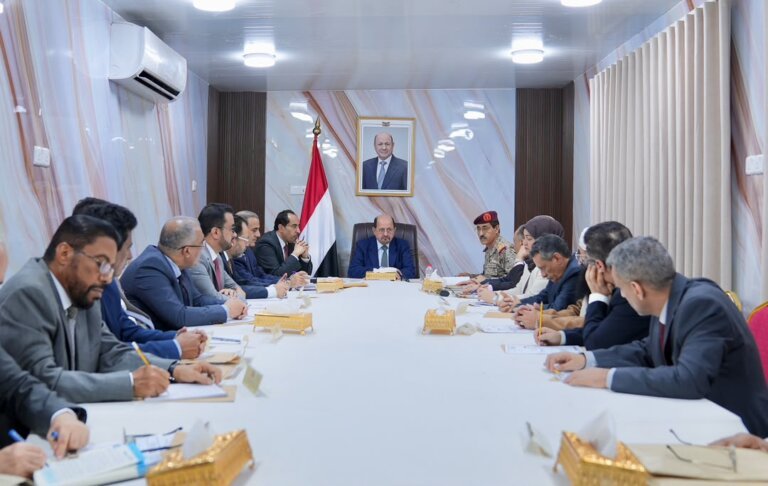
Yemen’s al-Subaihi has pressed for improved electricity services during a visit to the Ministry of Electricity and Energy, highlighting the urgency of a crisis that has left millions contending with chronic power shortages. The emphasis by Lieutenant General Mahmoud al-Subaihi, a member of the Presidential Leadership Council, underscored the intersection of energy and stability in a country where reliable power has become a pressing concern.
Yemen has been embroiled in conflict since 2014, a war that has produced a humanitarian catastrophe and left millions without reliable access to basic services. The electricity sector, once a vital component of daily life, has been decimated by years of conflict, financial constraints and a lack of investment, resulting in chronic shortages across the country.
Aden, the interim capital, has been a focal point for these challenges, where demand for electricity surges during the sweltering summer months. The strain on the system during these periods intensifies shortages, affecting households, businesses and services and contributing to the hardship facing the city’s population.
The inspection of the ministry reflected an effort by the leadership to assess the state of the sector and to press for improvements. Visits of this kind allow senior officials to engage directly with the challenges facing the sector and to convey the priority attached to addressing them, reflecting the significance of the electricity crisis.
The electricity sector’s decimation reflects the broader impact of the conflict on Yemen’s infrastructure. Power stations, transmission lines and distribution networks have been damaged, while fuel shortages and financial constraints have further undermined the sector’s capacity, producing the chronic shortages that afflict the country.
The impact of power shortages extends across many areas of life. Electricity underpins healthcare, water supply, commerce and communications, and its unreliability affects the functioning of essential services and the daily lives of citizens, making the state of the sector a matter of significant concern for the population and the government.
The approach of the summer months heightens the urgency of addressing the crisis. Demand for electricity peaks during the hot season, straining an already overstretched system and increasing the frequency and duration of outages, with consequences for the population and for the many activities that depend on reliable power.
The connection between energy and stability, emphasised in the context of the visit, reflects the significance of reliable power to the functioning of society and the state. Persistent shortages can fuel frustration and undermine confidence, linking the electricity crisis to broader questions of stability and the government’s capacity to serve citizens.
Addressing the electricity crisis requires attention to a range of factors, from the rehabilitation of infrastructure and the securing of fuel to the expansion of generation capacity. Each of these presents significant challenges amid the constraints of the conflict, and addressing them requires sustained effort and resources.
Renewable energy, and solar power in particular, offers potential in a country as sunny as Yemen. In the absence of reliable grid electricity, many Yemenis have turned to solar power to meet their needs, and expanding renewable energy at a larger scale could help address shortages while reducing dependence on imported fuel over time.
The role of the Ministry of Electricity and Energy in addressing the crisis reflects its responsibility for the sector. The ministry’s efforts to rehabilitate infrastructure, secure fuel and improve the reliability of supply are central to addressing the shortages, and engagement by the leadership reflects the priority attached to its work.
The financial constraints facing the sector compound its difficulties. The costs of fuel, maintenance and investment strain the resources available, and the broader economic crisis limits the capacity to fund the sector, making the mobilisation of resources a significant challenge in efforts to improve the reliability of power.
The reliability of electricity is closely tied to the welfare of the population. Access to reliable power affects the availability of services, the functioning of homes and businesses and the general conditions of life, making improvements in the sector directly relevant to relieving the hardship facing citizens.
Improving the electricity sector will require sustained effort, investment and, ultimately, an easing of the conditions driving the crisis. The challenges are deep-seated, and enhancing the reliability of power is a long-term undertaking, particularly amid the constraints of the conflict, though the engagement of the leadership reflects a commitment to addressing them.
The emphasis placed by al-Subaihi on improving services reflects the government’s recognition of the importance of electricity to stability and welfare. Addressing the crisis is among the priorities of a government seeking to relieve hardship and to demonstrate its capacity to serve citizens, and the visit reflected the attention given to the issue.
The political sensitivity of the power crisis has grown as the years of shortage have accumulated. In Aden and other cities, frustration over prolonged outages has at times spilled into public protest, transforming what might seem a technical failing into a test of the government’s legitimacy. Officials are keenly aware that few grievances resonate as immediately as the loss of electricity in the summer heat, and that visible engagement with the problem, even where quick solutions are lacking, carries its own political value. Sustained improvement, however, will require the kind of investment and stability that remain elusive while the conflict endures.
For now, al-Subaihi’s emphasis on improving electricity services underscored the urgency of Yemen’s power crisis and the priority attached to addressing it. As the country faces the prospect of worsening shortages with the approach of summer, strengthening the electricity sector remains a pressing concern for the government and a matter of daily importance for its people.
About the Author