Trump Sets a 48-hour ultimatum to Iran, demanding the restoration of freedom of navigation at the Strait of Hormuz.
 Yemen Herald Editorial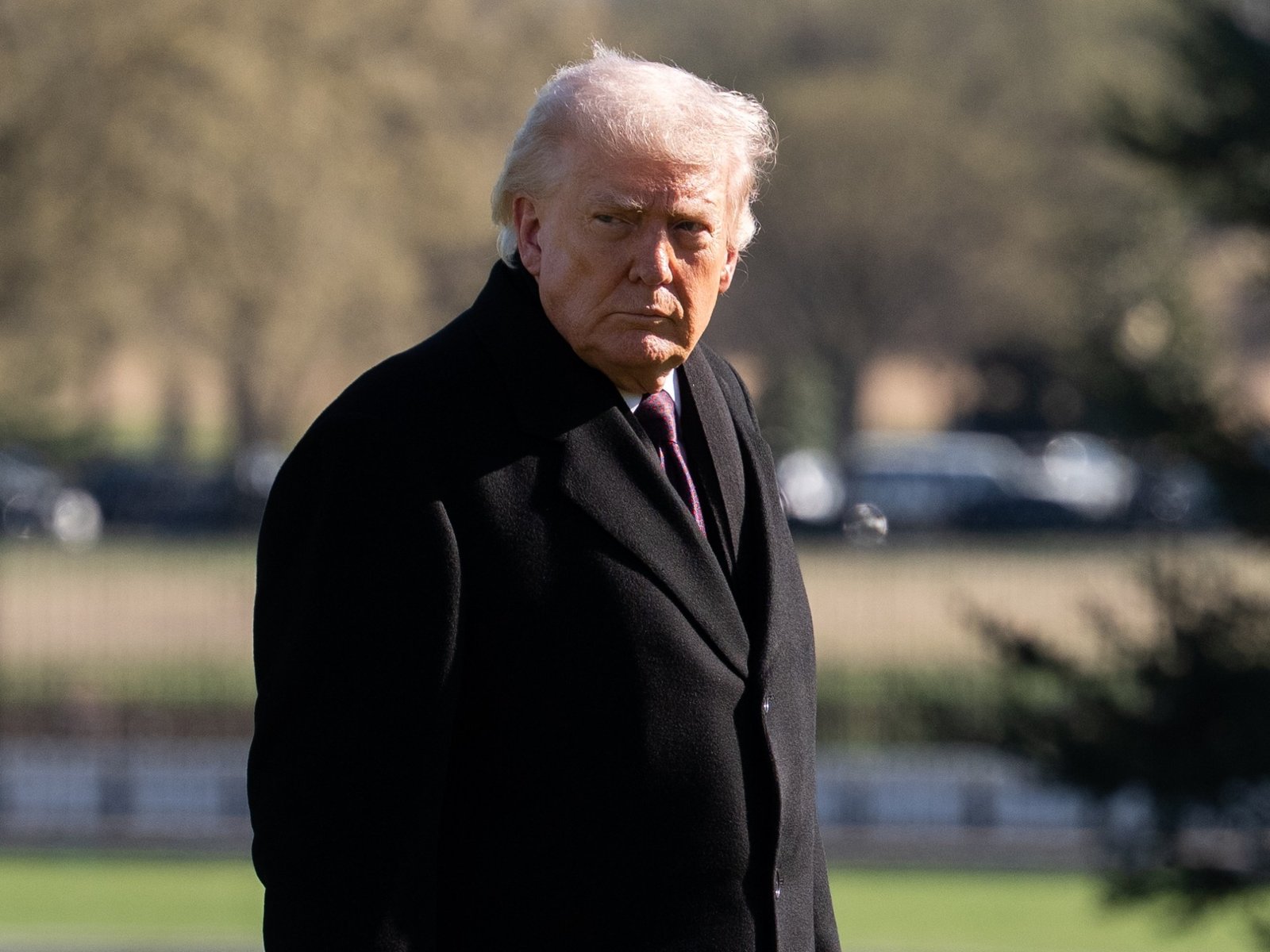
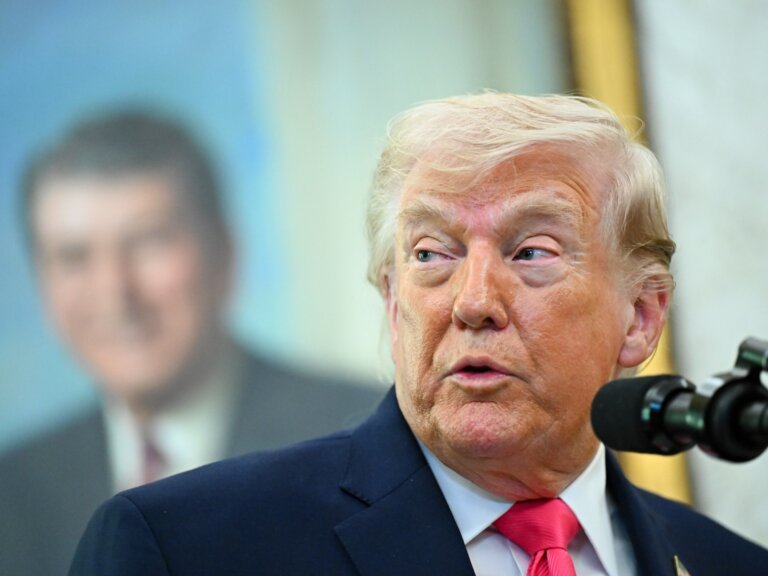
In a significant escalation of tensions in the Middle East, U.S. President Donald Trump has issued a 48-hour ultimatum to Iran, demanding the restoration of freedom of navigation at the Strait of Hormuz. Trump threatened to target Iranian power plants if the strait is not fully opened to shipping traffic, a move that comes amid ongoing military operations involving the U.S. and Israel against Iran. The ultimatum was posted on Trump’s social media platform, Truth Social, as he spent the weekend at his Florida residence.
The Strait of Hormuz is a critical waterway through which approximately one-fifth of the world’s oil and gas is transported during peacetime. Since the onset of the conflict, shipping traffic has been severely disrupted, with Iran asserting that the strait remains open only to nations other than the U.S. and its allies. Iranian Foreign Minister Abbas Araghchi indicated that several countries have sought safe passage for their vessels, but the final decision rests with Iran’s military.
In response to Trump’s threats, the Iranian military has warned that it will target all U.S. energy infrastructure in the region if Iran’s own fuel and energy facilities are attacked. This exchange of threats underscores the heightened volatility in the region, particularly as oil prices soar and stock markets react to the instability.
The backdrop to this confrontation includes Trump’s recent remarks about potentially winding down military operations in the Middle East, which he claimed were nearing their objectives. However, the timing of his threats raises questions about the consistency of U.S. military strategy in the region. U.S. Central Command has reported that recent airstrikes have degraded Iran’s capabilities to attack vessels in the strait, yet the apparent disconnect between military assessments and political rhetoric has drawn scrutiny.
As the situation develops, the international community remains watchful of the implications for global oil markets and regional security. The ongoing conflict, now in its fourth week, continues to pose significant challenges for diplomatic efforts aimed at de-escalation.
About the Author