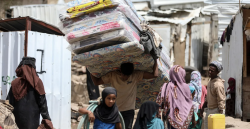
UN Report: Over 14,000 African Migrants Enter Yemen in April Amid Ongoing Crisis
 Yemen Herald News
The humanitarian crisis in Yemen is one of the most complex and dire situations in the world today. Since 2015, the country has been engulfed in a conflict that has led to widespread destruction, displacement, and economic collapse. The ongoing war between the Houthi movement and the internationally recognized government, backed by a coalition led by Saudi Arabia, has spiraled into a multi-faceted conflict that also involves various local and international stakeholders. This prolonged strife has not only devastated Yemen’s infrastructure and economy but has also turned the country into a critical migration route for thousands of people from neighboring regions, particularly from the Horn of Africa.
Yemen’s geographical position, located at the southern end of the Arabian Peninsula, has made it a significant transit point for migrants. For many Africans fleeing violence, persecution, and economic instability – particularly from countries like Somalia, Eritrea, and Ethiopia – the perilous journey to Yemen represents a chance for a better life, despite the accompanying risks. Over the years, Yemen has witnessed fluctuating migration flows, with the International Organization for Migration (IOM) noting periods of high and low arrivals. The persistent conflicts and humanitarian disasters in the migrants’ home countries have driven many to attempt the hazardous journey across the Gulf of Aden.
Migration Trends Overview
This influx occurs amid a backdrop of deteriorating living conditions in Yemen itself. Access to essential services such as healthcare, food, and clean water remains severely limited, exacerbating an already critical humanitarian crisis for both local citizens and incoming migrants. A significant number of the migrants find themselves trapped in a cycle of hardship, facing detention, exploitation, and abuse upon their arrival in Yemen.
According to the IOM’s Displacement Tracking Matrix (DTM), April 2026 saw the arrival of 14,834 African migrants into Yemen. This figure reflects a 13 percent decrease from March 2026, which recorded 17,027 arrivals. Despite this decrease, Yemen remains a significant transit hub for people migrating from Africa’s eastern coast towards other destinations, often seeking safety and better economic opportunities.
Demographics of Migrants
The breakdown of arrivals indicates that a substantial majority originates from Djibouti, where 67 percent of the migrants departed, landing primarily in the southern ports of Abyan and Taiz. Meanwhile, 28 percent traveled from Somalia to Shabwa, and a smaller percentage, 5 percent, reached Yemen via Oman into Al-Mahra governorate. Men consistently represent the largest demographic among these arrivals, accounting for 65 percent, while children make up 18 percent, and women comprise 17 percent.
Since the beginning of 2026, over 72,248 migrants have made the treacherous journey to Yemen, highlighting the continued determination of individuals fleeing turmoil in their home nations. Each year, many undertake the dangerous crossing over the Gulf of Aden, facing severe challenges like dehydration, drowning, and potential human trafficking in what are often desperate attempts to escape their circumstances.
Challenges Faced by Migrants
The primary stakeholders in the migration crisis include the International Organization for Migration, various non-governmental organizations, and governments from the countries of origin for these migrants. The IOM plays a crucial role in providing assistance and monitoring migration patterns throughout the region. Their recent reports serve to illuminate the ongoing challenges faced by African migrants as they attempt to traverse Yemen.
Local authorities in Yemen, including those in Abyan, Taiz, and Shabwa, are increasingly overwhelmed with the influx of migrants. Many local communities have expressed concern about their resources being stretched thin, raising questions about the adequacy of humanitarian assistance available for both the Yemeni population and incoming migrants. Human rights organizations have voiced the need for targeted support and a more comprehensive response strategy to address the plight of these individuals.
Local Responses to Influx
Moreover, regional governments have a stake in managing migratory flows across their borders. Nations in the Arabian Peninsula, particularly Saudi Arabia, have faced pressure to address the implications of migration, both in terms of humanitarian responsibility and security concerns. The continuing conflict in Yemen has complicated these governments’ responses, as they grapple with internal and regional stability implications.
The continued influx of African migrants has broader implications for Yemen, the Arabian Peninsula, and the wider Middle East. As Yemen bears the brunt of migration pressures, the Yemeni government and various local factions must deal with increasing instability and resource strains. The humanitarian crisis prompted by both war and migration creates a volatile situation where the safety and well-being of locals and migrants alike are severely at risk.
On a regional scale, the migration trends exacerbate existing tensions and complicate security dynamics within the Arabian Peninsula. Neighboring countries may grapple with their immigration policies, dealing with an influx of individuals seeking asylum or better living conditions. As the Gulf Cooperation Council (GCC) member states work to balance their foreign relations and maintain domestic stability, the migration from Yemen further complicates their efforts to manage their borders and societal cohesion.
The humanitarian implications of this migration also extend to international relations. Countries such as the United States and EU Member States often face pressure to provide humanitarian aid and support frameworks that can ensure better conditions for migrants. The issue of migration and asylum seekers has become a hot-button topic in international diplomacy, with nations advocating for more comprehensive approaches to migration management, including the protection of migrants’ rights.
International Implications
The findings presented in the IOM’s latest report underscore the persistent need for tailored responses to the challenges faced by African migrants attempting to reach Yemen. The interplay of conflict, migration, and humanitarian needs illustrates a complex web that policymakers must unravel to create effective strategies. The decline in arrivals in April indicates that while migration flows may fluctuate due to various factors, they are unlikely to cease entirely given the dire situations faced by many in their home countries.
Moreover, the disparities highlighted by gender and age demographics among the migrants suggest a need for targeted interventions. For instance, the high percentage of men among the arrivals may point toward young adults and breadwinners attempting to pave the way for family reunification or better living conditions, creating further responsibilities on their shoulders. The presence of a significant number of children among the migrants raises the pressing need for specialized services to ensure their protection and well-being upon arrival.
Critical attention must also be directed toward the conditions migrants face during their journey and upon arrival in Yemen. Reports of human trafficking, exploitation, and abuse emphasize the risks associated with the trek to safety. Ensuring better cooperation between Yemeni authorities, NGOs, and international actors is paramount in addressing these grievances and providing services that safeguard migrants’ rights and dignity.
The situation in Yemen and the persistent influx of migrants necessitate immediate and sustained international attention. As humanitarian challenges continue to escalate, stakeholders must develop comprehensive frameworks to address the needs of both the local population and incoming migrants. Continued monitoring of migration patterns and trends will be essential in shaping responsive policies that can adapt to the evolving circumstances.
Key areas to watch include the potential for increased collaboration among regional states to manage migratory flows and the unveiling of further humanitarian assistance programs targeting vulnerable populations. Furthermore, international bodies such as the United Nations and IOM will likely ramp up their advocacy efforts to ensure that migrants are not left without essential support during their arduous journey.
Ultimately, addressing the underlying factors driving migration—including conflict resolution, economic development, and improved governance in the Horn of Africa—will be crucial for creating long-lasting solutions. Until these fundamental issues are resolved, the flow of migrants to Yemen will likely continue, perpetuating a cycle of humanitarian crises requiring urgent, coordinated responses.
About the Author