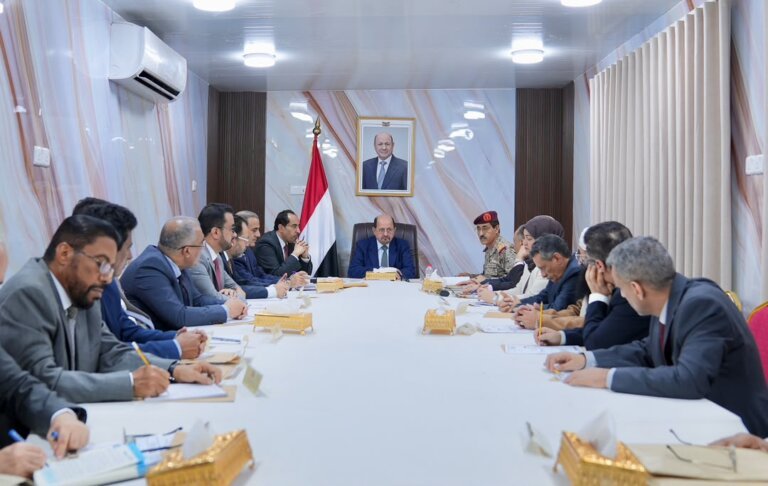
Yemen Commends GCC’s Efforts in Safeguarding Regional Security and Stability
 Yemen Herald News
The Gulf Cooperation Council (GCC) was established in 1981 to foster economic, political, and security cooperation among its member states: Saudi Arabia, the United Arab Emirates, Qatar, Kuwait, Oman, and Bahrain. Over the decades, the GCC has played a significant role in promoting regional stability and addressing various challenges, including economic disparities, security threats, and political turbulence. Yemen, located at the southern edge of the Arabian Peninsula, has long historical ties with GCC nations, and its geopolitical significance has often brought it to the forefront of regional discussions—especially since the onset of its internal conflict in 2015.
Yemen’s connection with the GCC has been particularly pronounced since the Arab Spring of 2011, which led to the resignation of long-time President Ali Abdullah Saleh. The GCC brokered the transition of power to his successor, Abdrabbuh Mansur Hadi, facilitating efforts to restore peace and stability amid a complex political landscape marked by sectarian divisions, economic hardship, and humanitarian crises. Furthermore, the council has actively supported Yemen in various ways, providing humanitarian assistance and military support to counter insurgencies and attempts to disrupt regional security and stability.
Yemen's GCC Connection
The recent statement by Yemen’s Ministry of Foreign Affairs and Expatriates came on the occasion of the 45th anniversary of the GCC, reflecting on the historical significance and the close ties between Yemen and the Council’s member states. The Ministry emphasized Yemen’s gratitude for the GCC’s enduring support in safeguarding its constitutional legitimacy, territorial integrity, and stability amidst ongoing challenges. The GCC nations remain committed to investing in Yemen’s development and supporting its people through economic and humanitarian initiatives.
Since the beginning of the Yemeni conflict in 2015, which escalated into a civil war involving regional powers, the GCC has played a pivotal role, both politically and financially. Reports indicate that member states have provided hundreds of millions in aid to Yemen, focusing on humanitarian assistance, rebuilding efforts, and institutional support to reinstate governance and essential services.
GCC's Financial Role
The stakeholders in the GCC-Yemen relationship include not only the member states of the GCC and the Yemeni government but also various factions within Yemen, such as the Houthis, Southern Transitional Council, and other political and military groups. The alignment of these various entities toward a stable Yemeni state often influences how the GCC approaches intervention and aid efforts in the country.
The Yemeni government, led by President Abdrabbuh Mansur Hadi, has repeatedly expressed its appreciation for the GCC’s assistance in stabilizing the nation and supporting its legitimacy. The Ministry of Foreign Affairs noted that the GCC’s commitment to Yemen’s security and development remains essential for countering terrorism and extremism in the Arabian Peninsula.
Support for Yemeni Government
On the other hand, GCC member states have reaffirmed their long-standing solidarity with Yemen, recognizing that a stable Yemen directly correlates to their national security interests. During recent GCC meetings, representatives from the member states reiterated their commitment to supporting the Yemeni government and people while also addressing regional security challenges that could arise from prolonged instability.
The GCC’s involvement in Yemen has wide-ranging implications for the Arabian Peninsula and the broader Middle East. A stable Yemen is crucial for mitigating security risks, including the rise of extremist groups that thrive on conflict and chaos. The ongoing conflict has already attracted the interest of regional powers, raising the stakes for direct intervention and increasing the complexity of negotiations for peace.
Regional Security Implications
Furthermore, the GCC’s support for Yemen serves as a strategic counterbalance to Iranian influence in the region. Iranian-backed Houthi forces have significantly impacted the security dynamics within Yemen and have been perceived as a direct threat by GCC member states, particularly Saudi Arabia. Consequently, the GCC’s solidarity with Yemen reflects a broader effort to contain Iranian expansionism in the Gulf region.
The GCC’s focus on regional cooperation also emphasizes economic integration among the member states, which could yield economic benefits for Yemen through increased trade and investment opportunities, paving the way for post-conflict reconstruction efforts. Enhanced economic ties could help stabilize Yemen financially, alleviating poverty and promoting development to prevent future conflicts.
Economic Integration Benefits
The recent expression of pride by the Yemeni government in its relationship with the GCC underscores the importance of regional alliances amidst ongoing challenges. While Yemen grapples with enormous humanitarian and developmental needs resulting from the protracted conflict, the mentioned partnership represents a vital lifeline that could help heal divisions and foster growth.
Despite the challenges, the GCC’s support has a multifaceted role in Yemen, acting not only as a stabilizing force but also paving the way for diplomatic efforts to reconcile internal divisions. The Yemeni government is hopeful about enhancing institutional integration with the council’s members, an aspiration that is crucial for realizing a cohesive and comprehensive strategy to address the nation’s complex challenges.
However, the ongoing violence, political fragmentation, and humanitarian crises pose serious risks to effective partnership and reconstruction. The political landscape in Yemen remains fluid, and any developments in GCC policies or shifts in member state priorities could significantly impact Yemen’s future trajectory. The humanitarian situation continues to deteriorate, raising urgent calls for both immediate and long-term interventions from the international community.
Looking ahead, the Yemeni government’s interest in deepening cooperation with the GCC is likely to prompt further discussions aimed at institutional integration and enhanced partnerships. Pressure will mount on the GCC to extend its supportive measures as Yemen continues to face critical humanitarian needs. As the anniversary celebrations highlight the history of cooperation, the momentum generated could lead to renewed diplomatic efforts focused on peacebuilding and stabilization.
Ongoing risks include the potential for internal strife, with various factions vying for power and influence. The Houthis, in particular, remain a significant actor with their aspirations conflicting with the GCC’s objectives for Yemen. In addition, economic challenges, exacerbated by the ongoing conflict, could hinder progress and make it increasingly difficult for Yemen to recover.
In the coming months, key elements to watch will include the GCC’s response to Yemen’s governance needs, humanitarian crises alleviation efforts, and possible shifts in military support depending on the conflict’s dynamics. Any escalation in regional tensions, particularly involving Iran or further deterioration of security in Yemen, could complicate these initiatives and require a recalibration of GCC strategies. The need for a comprehensive, inclusive peace process that addresses the root causes of conflict remains paramount for the stability of Yemen and the region overall.
About the Author